
If your HVAC system has been acting like a drama queen lately — random shutdowns, weak airflow, temperatures that can't seem to make up their mind — you're in good company.
Across Anne Arundel County, homeowners deal with repeated HVAC failures that seem to materialize out of thin air. And that's the most maddening part, isn't it? It always feels random.
One day it's fine, the next you're sweating through your shirt while googling "emergency HVAC repair near me" at 9 PM.
Here's the thing though: most of these issues aren't random at all.
They're predictable. Preventable. And almost always ignored until they've quietly upgraded themselves into something expensive.
Let's get into what's actually going on inside your system — and how to stop the cycle before it drains your bank account again.
The Real Reason HVAC Systems Keep Failing in Anne Arundel
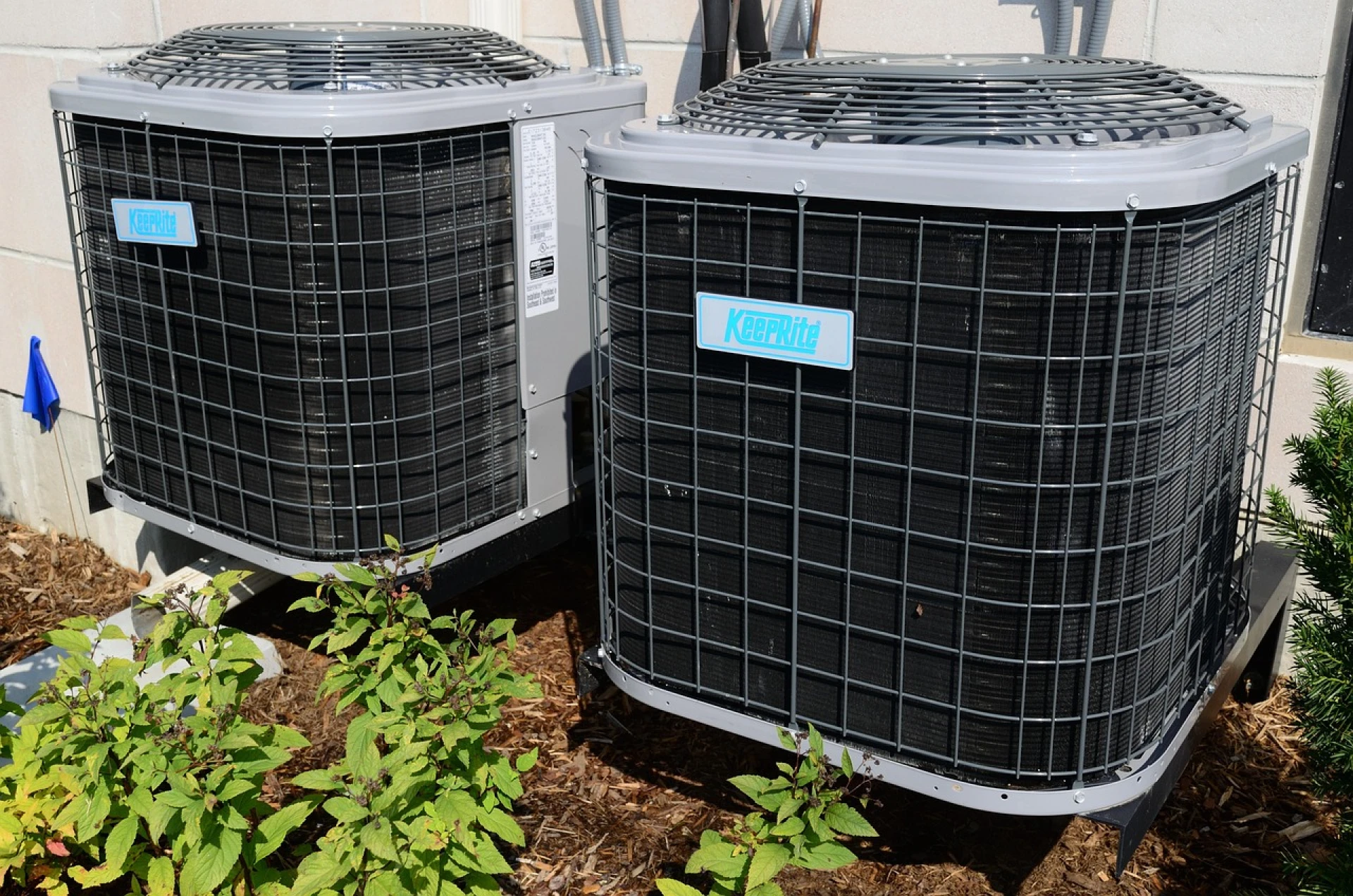
Strip away all the technical jargon and most breakdowns come down to one core issue: accumulated stress on the system over time.
Think of it like never changing the oil in your car and then acting surprised when the engine protests. In Anne Arundel, that stress builds faster than most places because of:
- Constant humidity cycles that keep the system working in overdrive
- Heavy seasonal usage — both the AC and the furnace get pushed hard here, no coasting allowed
- Airborne salt from the Chesapeake that quietly corrodes outdoor components
- Lack of regular maintenance (we'll come back to this one)
Small inefficiencies pile up quietly — until one of them finally decides to make a very loud, very inconvenient point.
6 Hidden Causes of Frequent HVAC Breakdowns
1. Dirty Air Filters (The #1 Silent Killer)
Yes, this one sounds almost embarrassingly simple. And yet — here we are.
What happens:
- Airflow gets restricted, like trying to breathe through a pillow
- The system overheats trying to compensate
- Components wear out far faster than they were designed to
Result: Your HVAC system works twice as hard for half the output — and fails twice as soon.
Fix: Replace filters every 30–90 days, depending on usage. Put a reminder in your phone. Seriously.
2. Ignoring Early Warning Signs
Here's a truth most homeowners don't love hearing: your HVAC system almost never fails suddenly. It warns you first — repeatedly — and most people just… don't listen.
Common signals it's trying to tell you something:
- Strange noises that weren't there last season
- Airflow that feels weaker than it used to
- Uneven cooling or heating (one room tropical, one room tundra)
- Short cycling — the system turning on and off like it can't commit
Ignoring these signals is how a $200 fix quietly becomes a $2,000 repair.
3. Refrigerant Issues That Go Undetected
Low refrigerant isn't just a performance inconvenience — left alone, it becomes a system killer.
Causes:
- Leaks that are easy to miss without professional eyes
- Improper installation that was never quite right from day one
- Aging components giving up the ghost gradually
Impact:
- Weak, disappointing cooling on the hottest days
- Compressor damage — which is the kind of expensive fix that makes grown adults sit down quietly for a moment
4. Poor Installation (A Long-Term Problem Nobody Warns You About)
This one stings because there's not much you can do after the fact — but it's worth knowing. A badly installed HVAC system doesn't announce itself on day one. It creates years of creeping issues that look like bad luck but are actually bad workmanship.
Signs your installation may have been less than ideal:
- Incorrect system size — too big or too small for the space it's supposed to serve
- Poor duct layout that fights against the airflow it needs
- Improper airflow balance across rooms
Even a brand-new unit straight out of the box can underperform significantly if installed by someone who cut corners or simply didn't know better.
5. Electrical Component Wear
Capacitors, relays, and wiring aren't glamorous — nobody posts about them on home renovation forums — but they're quietly essential. And they degrade over time, especially under the heavy seasonal demands Anne Arundel homes put on their systems.
What this eventually leads to:
- Sudden system shutdowns at the worst possible moment (see: January, 11 PM)
- Inconsistent operation that drives you quietly mad
- Complete system failure when enough components have given up
Here's the silver lining: these are often cheap fixes — but only if you catch them early, before they trigger a cascade of bigger damage.
6. Skipping Preventive Maintenance
And here it is — the root cause quietly sitting behind most of the breakdown cycles above.
Without regular maintenance, the dominoes line up on their own:
- Dirt builds up and nobody notices
- Parts wear down undetected
- Efficiency drops month by month
- Failure stops being a possibility and becomes a matter of when
The honest reality: The vast majority of HVAC emergencies that catch homeowners off guard — the ones that always seem to happen on a holiday weekend — could have been prevented with routine servicing. That's not a sales pitch. That's just what the data says.
The Cost of Doing Nothing
Let's put some numbers to the "I'll deal with it later" approach:
- Minor repair left ignored → climbs quickly into significant territory
- Major breakdown → several times more expensive than if caught early
- Full system replacement → the bill that makes you rethink every decision that led here
Waiting always — always — costs more than acting early. The math just doesn't work in delay's favor.
How to Break the Cycle (Practical Strategy)
Here's what actually works over the long haul — not quick fixes, but sustainable habits:
1. Set a Maintenance Schedule
- Spring: Get the AC checked before the humidity rolls in
- Fall: Get the heating system inspected before the cold arrives uninvited
2. Monitor System Behavior
You don't need to be a technician — you just need to pay attention. Note any changes in:
- Noise (new sounds = something talking to you)
- Cooling delays that weren't there before
- Airflow that feels weaker than it used to
3. Upgrade When Needed
Older systems reach a point where they become liability assets, not savings. Holding on to a system that's costing more to maintain than it's worth is a false economy that adds up painfully over time.
4. Work With Local Experts
This part genuinely matters more than most people give it credit for. Local climate knowledge — understanding exactly what Anne Arundel's humidity, salt air, and seasonal swings do to a system — translates into meaningfully better diagnosis and longer-lasting solutions.
Providers like Quality HVAC Services LLC are focused on finding the root cause — not slapping a patch on the symptom and hoping it holds until next season.
What Most Homeowners Get Wrong
They treat their HVAC system like a vending machine: ignore it completely until it stops working, then throw money at it until it starts again.
The mental shift that actually saves money is pretty simple:
- Don't wait for failure before you act
- Don't brush off the small warning signs
- Don't settle for temporary fixes that just push the problem down the road
Think of your HVAC system the same way you think about your car. You wouldn't drive 50,000 miles without an oil change and expect everything to be fine. The same logic applies here — regular servicing keeps it running efficiently and keeps the expensive surprises firmly in someone else's story.
Final Insight
If your HVAC system keeps breaking down, it isn't bad luck, a cursed house, or the universe testing you. It's a pattern — and patterns have causes.
Once you identify what's actually driving the cycle and address it properly, the repeated failures stop. It really is that straightforward. And the difference shows up fast:
- Lower energy bills you'll actually notice
- Consistent, comfortable temperatures throughout your home
- Far fewer "emergency HVAC" searches at inconvenient hours
That's the version of homeownership in Anne Arundel that's available to you. It just takes getting ahead of the problem instead of chasing it.