
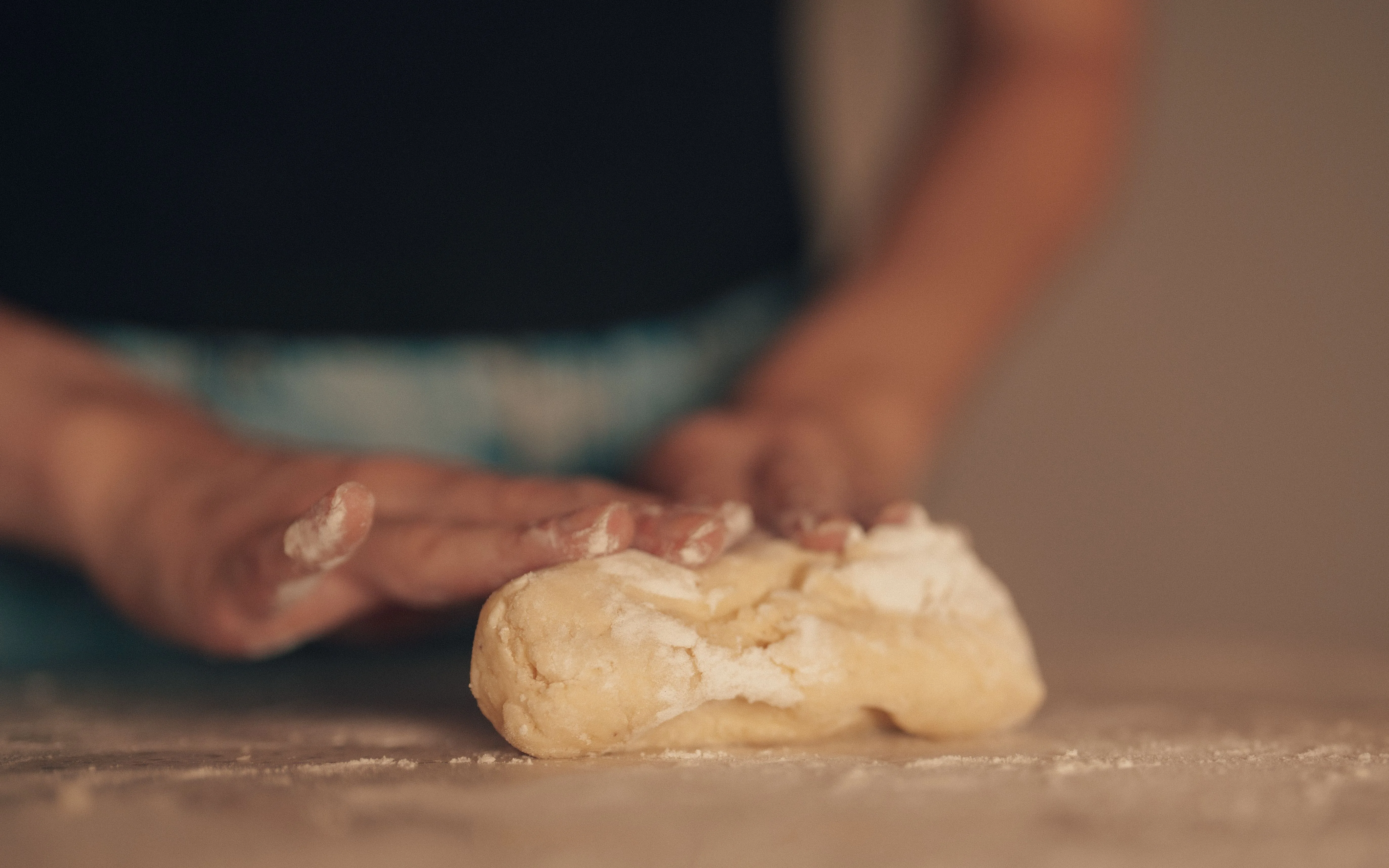
Okay so let's talk about the one thing nobody in your family will admit.
That soft, pillowy, single-atta roti your mother-in-law is so proud of? It might be the reason your fasting sugar looks fine but your post-dinner number is doing gymnastics. I've had at least a dozen clients walk into my little home clinic in the last year, genuinely confused, saying "Ma'am I don't even eat sweets, then why is my sugar 180 after dinner?" And almost every single time, the answer was sitting in their kitchen dabba the whole time — plain refined wheat atta, milled so fine it behaves like sugar the second it hits your bloodstream.
Refined atta isn't evil. But it's not doing you any favours either.
The Fibre Problem Nobody Talks About
Here's the thing about single-grain wheat flour, especially the commercial stuff sold in shiny 10kg bags with a farmer smiling on the packet (that farmer is not real, by the way, and neither is that sunrise). The bran and germ — the parts that actually slow down digestion — get stripped out during milling for a longer shelf life and a "softer" roti. What you're left with is mostly starch. And starch, when it's this refined, converts to glucose almost as fast as you can chew it.
I switched my own family to multigrain atta 1 kg packs about three years back, honestly more out of curiosity than conviction. Didn't expect much.
But the difference in how full everyone felt after just two rotis instead of four? That alone told me something was working.
Multigrain atta usually mixes wheat with things like jowar, bajra, ragi, chana dal flour, and sometimes even soya or oats — each of these bringing a different kind of fibre and protein to the plate, which together slow down how fast your gut releases sugar into the blood, unlike straight wheat which just floods the system in one go.
So Does Buying a Smaller Pack Actually Matter?
Yes. And here's why I keep telling people to start with a multigrain atta 1 kg bag instead of committing to a 10kg sack from day one.
Taste changes. Texture changes. Some multigrain blends are genuinely gritty and dense if the ratio is off, and your family might revolt on day three (mine did, briefly, over a ragi-heavy batch that tasted like cardboard soaked in regret). A smaller pack lets you experiment without wasting money or guilt-tripping yourself into finishing a 10kg bag of atta nobody likes.
Buy small. Test it for two weeks. Then decide.
What I Actually Tell My Clients to Do
Not everyone needs to go full multigrain overnight — that's a mistake I see people make constantly, swinging from 100% maida-adjacent wheat straight to some five-grain super mix, and then their stomach just gives up on them (bloating, gas, the whole unfortunate saga).
Start with a 70:30 ratio. Seventy percent regular wheat, thirty percent something fibrous like jowar or bajra, mixed in at home if you're the DIY type, or bought pre-blended.
Move up slowly from there.
And honestly? Don't obsess over the "healthiest" multigrain combination on the internet — half those blogs are just recycled nutrition-label copy anyway. What matters more is consistency and portion size. A perfect multigrain roti eaten in excess will still spike your sugar. Nutrition doesn't work like a cheat code.
The Part Where I Get a Little Opinionated
Can I be blunt for a second?
I genuinely think the Indian obsession with soft, white, restaurant-style rotis has quietly wrecked a lot of blood sugar numbers over the last two decades, especially in urban households where atta got more refined as incomes went up (ironic, isn't it — that "premium" often means less fibre, not more). We equated softness with quality. Nobody asked what got removed to make it that soft.
A slightly coarse, slightly rustic roti made from a good multigrain atta 1 kg blend isn't going to win any beauty contest at the dinner table. But it also isn't going to leave you drowsy and heavy an hour after eating, which — if you ask me — matters a lot more than how photogenic your roti looks on a steel plate.
One Small Thing Before You Go
Try this for two weeks: swap just your dinner roti — not lunch, not breakfast, just dinner — to a multigrain flour, and check your fasting sugar the next morning. Don't change anything else. No new diet, no sudden gym resolution. Just this one swap.
If you want to actually start testing this without overcommitting, grab a multigrain atta 1 kg pack this weekend and give it a fair two-week trial before judging it.