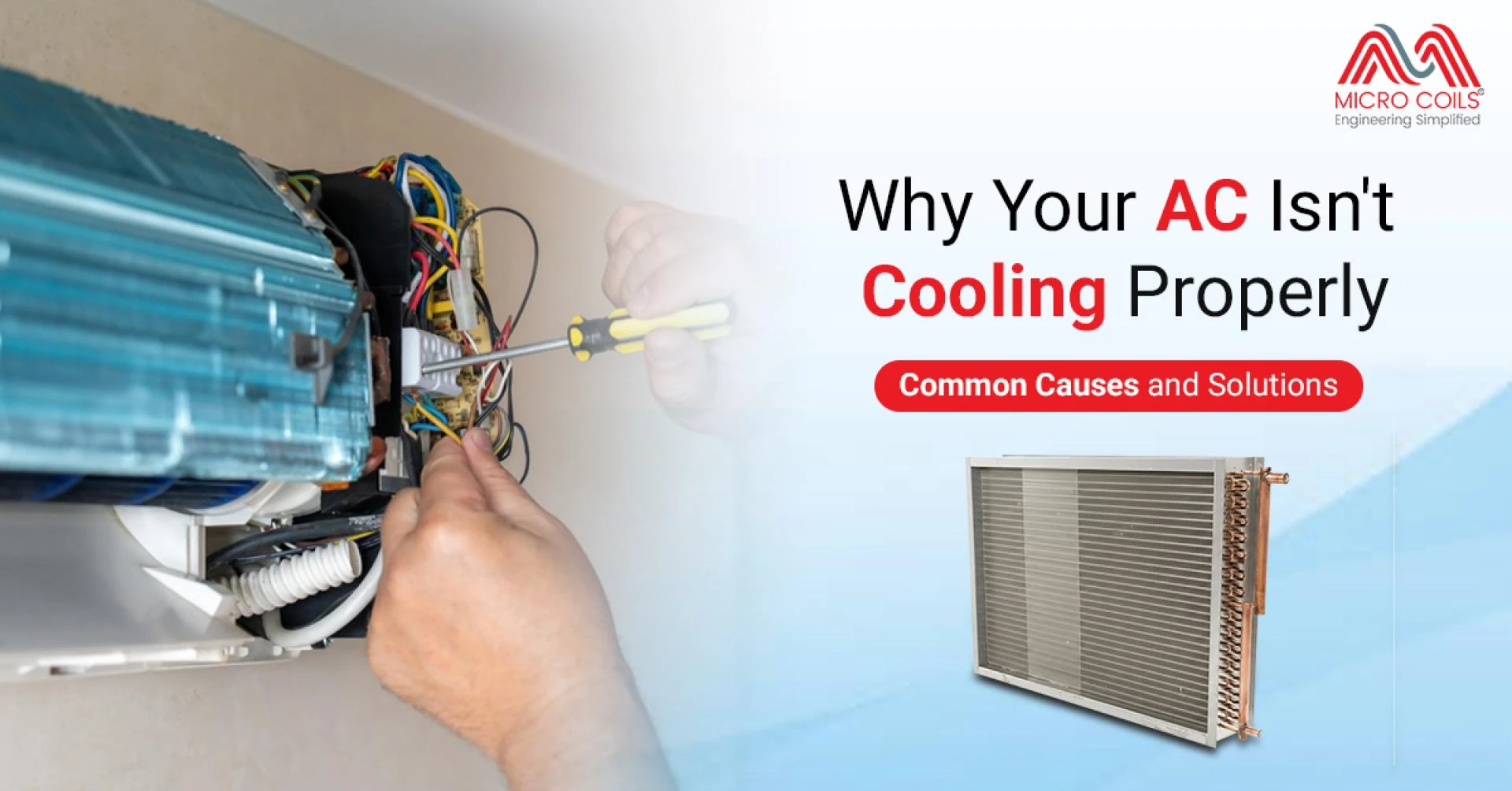
Is your air conditioner running but not keeping your home comfortable? You're not alone. When temperatures soar outside and your AC struggles to keep up, it's beyond frustrating. The good news? Most cooling problems have straightforward explanations and fixes.
Let's explore the most common reasons why your air conditioner might be letting you down—and what you can do about it.
Dirty or Clogged Air Filters
Here's the simplest culprit: your air filter. When was the last time you changed it? A dirty filter restricts airflow, forcing your system to work harder while delivering less cooling power. Think of it like trying to breathe through a pillow—not very effective, right?
Check your filter monthly during heavy use seasons. If it looks gray and clogged, replace it immediately. This five-minute task can dramatically improve your AC's performance. Plus, it'll save you money on energy bills and extend your system's lifespan.
Thermostat Issues That Trick Your System
Sometimes the problem isn't your AC at all—it's the thermostat. Is it set to "auto" or "on"? If it's on "on," the fan runs constantly, even when the compressor isn't cooling. This circulates warm air and makes you think the system isn't working.
Location matters too. A thermostat in direct sunlight or near a heat source gets false readings and won't trigger cooling when you actually need it. Check the batteries, verify the settings, and make sure nothing's blocking the sensor.
The Refrigerant Level Problem
Your AC needs the right amount of refrigerant to cool effectively. Too little, and your system can't absorb enough heat from your home. You might notice ice forming on the refrigerant lines or the AC condenser coil—a clear sign something's wrong.
Refrigerant doesn't get "used up" like gasoline. If levels are low, you have a leak somewhere in the system. This requires professional repair. A technician will find the leak, fix it, and recharge your system to the proper level. Don't ignore this issue—running an AC with low refrigerant damages the compressor, leading to expensive repairs.
Dirty Condenser Coils Outside
Step outside and look at your outdoor unit. Does it look like it survived a dust storm? The AC cooling coil in your condenser unit needs to release heat to cool your home. When it's covered in dirt, leaves, grass clippings, or cottonwood, it can't do its job efficiently.
Turn off your AC and gently spray down the outdoor unit with a garden hose. Remove any debris around it and trim back vegetation to allow at least two feet of clearance on all sides. Your condenser needs breathing room to function properly.
For deeper cleaning, you might need professional help. Technicians use special cleaners and tools to remove stubborn buildup without damaging the delicate fins.
Frozen Evaporator Coils
Ice on your indoor coil isn't normal, despite what you might think. Several issues can cause this: restricted airflow from dirty filters, low refrigerant levels, or blocked return vents. When the coil gets too cold, moisture in the air freezes on contact.
If you spot ice, turn off your AC and let it thaw completely—this can take several hours. Once thawed, check your filter and make sure all vents are open and unblocked. If the problem returns, call a professional to diagnose the underlying cause.
Leaky or Poorly Insulated Ductwork
Your AC might be working perfectly fine, but cool air escapes before reaching your rooms. Leaky ducts waste up to 30% of your cooled air, forcing your system to run longer and work harder.
Check accessible ductwork in your attic, basement, or crawl space. Look for disconnected sections, holes, or gaps at joints. You can seal small leaks with mastic sealant or metal tape—never use regular duct tape, which deteriorates quickly. For extensive problems, hire a professional duct sealing service.
An Aging or Undersized System
Has your AC been struggling for years? Air conditioners typically last 10-15 years. As they age, efficiency drops and repairs become more frequent. Sometimes, throwing good money after bad just doesn't make sense.
Another possibility: your system was never the right size for your home. An undersized AC runs constantly on hot days but never quite catches up. This drives up energy costs and wears out components faster.
If you've added square footage, upgraded insulation, or changed your home's layout significantly, your old AC might no longer meet your needs. A professional load calculation determines the correct size for your space.
The Real Cost of Ignoring Problems
Delaying repairs doesn't save money—it costs more in the long run. A minor issue like a dirty coil or low refrigerant turns into compressor failure, which is one of the most expensive repairs you'll face. The AC coil price for replacement varies, but repairing or replacing a failed compressor can run into thousands of dollars.
Regular maintenance prevents most problems before they start. Annual tune-ups catch small issues early, keep your system running efficiently, and extend its lifespan significantly.
What You Can Do Right Now?
Start with the basics. Change your filter, clean around your outdoor unit, and check your thermostat settings. These simple steps solve many cooling problems without spending a dime.
Listen to your system too. Strange noises, unusual odors, or constant cycling indicate something needs attention. Don't wait for a complete breakdown on the hottest day of summer.
When to Call a Professional?
Some problems require expert help. If you've handled the basics and your AC still isn't cooling properly, it's time to call in a licensed HVAC technician. They have the tools, training, and experience to diagnose complex issues safely.
Refrigerant problems, electrical issues, compressor failure, and internal component damage all need professional repair. Attempting DIY fixes on these problems can be dangerous and might void your warranty.
Prevention Is Worth a Pound of Cure
The best way to keep your AC cooling properly? Preventive maintenance. Schedule annual service before cooling season starts. Technicians clean coils, check refrigerant levels, test electrical components, lubricate moving parts, and identify potential problems before they cause breakdowns.
Think of it like changing your car's oil. Regular maintenance costs far less than major repairs and keeps everything running smoothly when you need it most.
Your air conditioner works hard to keep you comfortable. Give it the attention it deserves, address problems promptly, and you'll enjoy reliable cooling for years to come. Stay cool out there!