
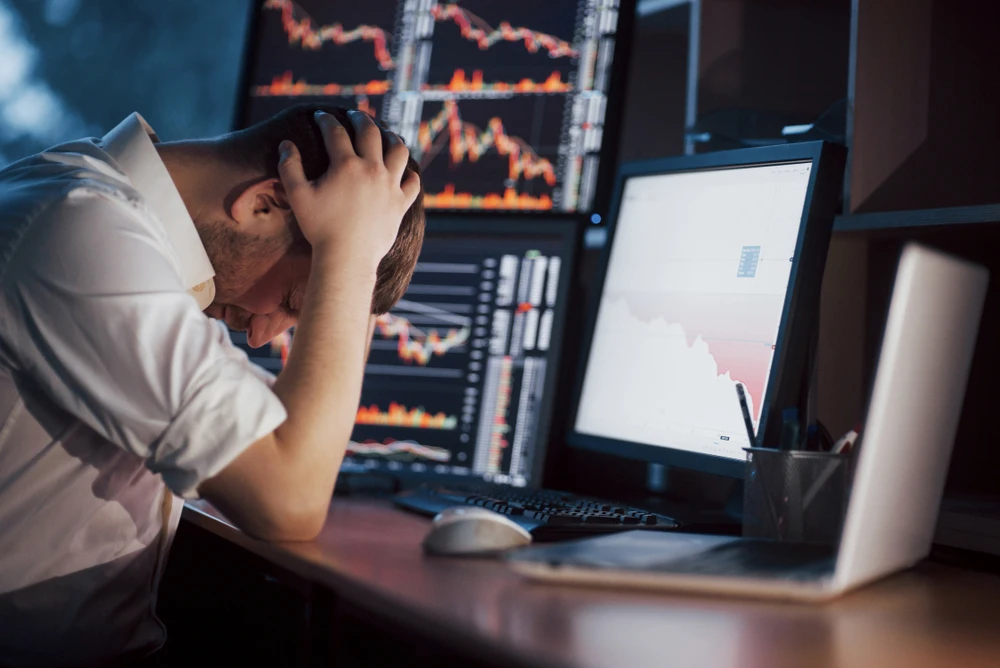
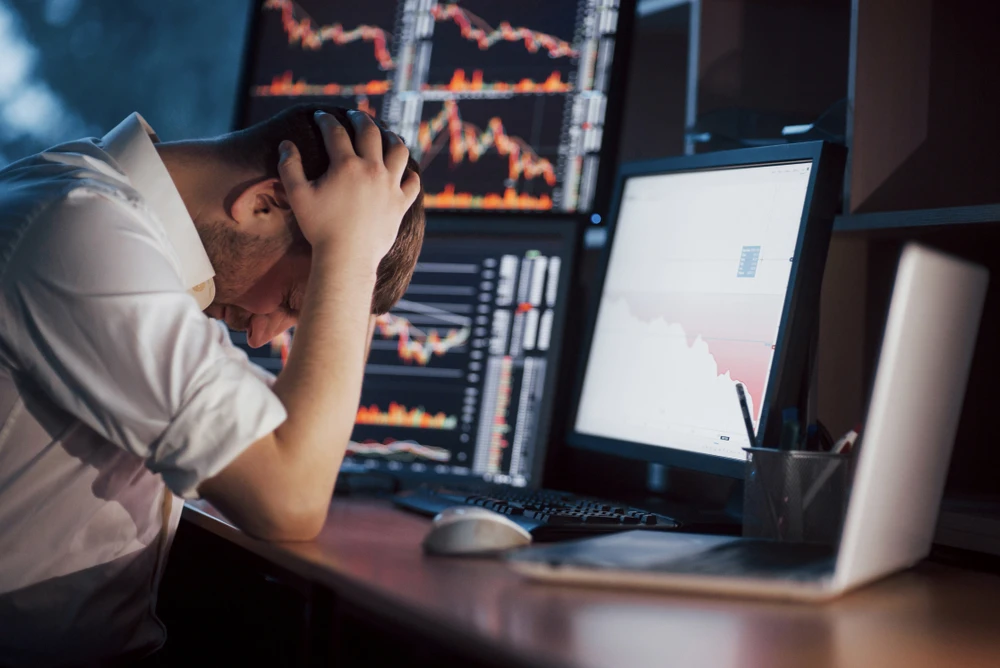
Trading is every bit a mental game as it is all about numbers. Charts, indicators, and strategies can work to guide you through the markets, but your mindset is what usually determines long-term success over repeated failure. One of the greatest dangers to a trader's consistency is not a market collapse or a poor signal, it's emotion-based decisions. This is called trading psychology.
Emotional trading occurs when emotions such as fear, greed, frustration, or overconfidence get in the way of sound decision-making. And in a fast-paced, high-stakes business such as trading, one bout of emotion can have consequential results. In 2025, as markets become increasingly complicated and unpredictable, disciplining oneself to trade by logic instead of emotion is more essential than ever.
The Nature of Emotional Trading
Feelings are human. They're there for a purpose, fear safeguards us, excitement energises us, and confidence propels us. But in trading, where timing and reason govern, feelings can muddle one's thoughts and increase risk.
Emotional trading typically manifests itself in forms such as:
· Revenge trading following a loss
· Overtrading following a win
· Panic during dips in the market
· Hesitating even when the setup is optimal
· Sitting on losing trades, hoping they'll reverse
These responses might be understandable in the moment, but they usually result in poor entries, late exits, oversized positions, and eventually, unneeded losses.
Why is it Common
With 24/7 market availability, social media sentiment, and real-time news feeds, traders nowadays are confronted with triggers everywhere. It's simple to get sucked into a pattern of checking charts too frequently, responding to each candle, or mimicking trades on the basis of online sentiment.
In addition, new platforms are built for simplicity and speed, fine for delivery, but potentially making hasty decisions all too easy. In 2025, with the instant availability of everything from gold and forex to crypto CFDs, the desire to act quickly is greater than ever.
But don't forget, speed without discipline leads to chaos.
Emotions Damage Your Trading Performance
The actual harm of emotional trading isn't one bad trade. It's the ripple effect. Here's what emotional trading generally causes:
1. Inconsistency: There are trading plans for a reason. They introduce structure and repeatability. When you disregard them due to a feeling, your results become haphazard. And eventually, inconsistent results create a lack of confidence, and that feeds back into emotional trading. It's a perilous loop.
2. Amplified Losses: Greed compels traders to overleverage. Fear compels them to cut winners short. Frustration causes them to overtrade. All of these create unnecessary risk. A trader who makes losses personal will double down to "win it back," then end up losing more.
3. Missed Opportunities: It's better to take the best trade you didn't make, because your setup wasn't in place. But emotional bias can lead you to jump too early or stay too long. You'll either enter prematurely or miss the move altogether. Neither is good for your strategy.
Signs You're Trading Emotionally
You may not always know that emotion is dictating your trades. Here are a few signs to look out for:
· You violate your rules
· You are nervous or on edge after you make a trade
· You close out a stop-loss
· You follow through on a trade that just slipped away
· You're constantly checking charts and can't help yourself
If any of these describe your behaviour, then it's time to take a step back and rethink your attitude.
Moving from Emotion to Discipline
Avoiding emotional trading doesn't require becoming a robot. It requires building the best forex trading strategy that enable you to trade with clarity and control-even when emotions inevitably come up.
Here are a few good habits to develop discipline:
1. Write down a trading plan with explicit entry/exit rules, risk parameters, and trade criteria.
2. Establish daily or weekly objectives, not money but process.
3. Use automation where possible, like stop-losses or alerts, to remove decision-making pressure.
4. Journal your trades to spot emotional patterns over time.
5. Take regular breaks from screens and trading altogether to maintain perspective.
The goal is not to eliminate emotion but to trade with systems strong enough to keep emotions from driving your decisions.
Long-Term Benefits of Emotional Control
When you play with a peaceful and concentrated mind, all becomes better—your decisions, your consistency, and most crucially, your confidence. You no longer chase outcomes and begin creating a strategy. You embrace losses as the game and allow your victories to do the talking.
In a world where all trades can be executed in seconds, the true advantage is held by those who can slow down, remain committed to a plan, and have faith in the process.
Conclusion
Emotional trading is the quiet assassin of portfolios. It feels good in the moment, but it costs way more than one trade. In 2025, with more tools, markets, and distractions than ever before, understanding trading psychology and remaining emotionally grounded is not a choice, it's a necessity.
Whether you’re a beginner or a seasoned trader, mastering your mindset is just as important as mastering your charts. Trade with clarity. Trade with purpose. And above all, trade with discipline, as it is one of the best trading strategies.