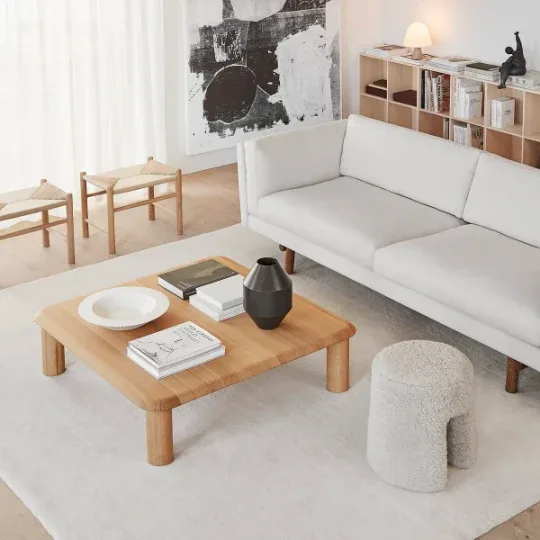
A coffee table may seem like a small part of a living room, but it plays an important role in how the space looks and functions. From holding everyday essentials to providing a convenient place for drinks, books, and decorative accessories, it is one of the most frequently used pieces of living room furniture. Choosing the right design can also help bring the entire seating arrangement together.
Among the many furniture options available, a wooden coffee table remains a popular choice for American homes. Wood offers a natural appearance, works with different interior styles, and comes in several finishes and designs. However, not every coffee table serves the same purpose. Some are designed for storage, while others focus on appearance, flexibility, or space-saving functionality.
Understanding the different types, materials, and features can make it easier to select a table that suits your living room and everyday needs.
1. Different Types of Wooden Coffee Tables
Wooden coffee tables are available in various shapes and designs. Each type offers different benefits depending on the size of the room, seating arrangement, and personal requirements.
Rectangular Wooden Coffee Tables
Rectangular tables are among the most common choices for living rooms. Their elongated shape works particularly well with standard three-seat sofas and larger seating arrangements.
They provide enough surface area for serving trays, magazines, remote controls, and decorative items. If your living room has a long sofa, a rectangular design can create a balanced look without making the seating area feel disconnected.
Round and Oval Coffee Tables
Round coffee tables are a practical option for smaller living rooms or spaces with limited walking areas. Their curved edges make movement around the furniture easier, especially in homes where children or pets are present.
Oval tables offer similar benefits while providing a longer surface. They work well between sofas and accent chairs where a rectangular design might feel too sharp or bulky.
Square Coffee Tables
Square designs are particularly suitable for sectional sofas and large seating arrangements. They offer a balanced surface area that can be accessed easily from different sides.
A square wooden coffee table can also work as a central feature in a spacious living room. However, it is important to leave enough walking space around it.
Nesting Coffee Tables
Nesting tables usually come in sets of two or three different sizes. The smaller tables can slide underneath the larger one when they are not needed.
This arrangement is useful for apartments, compact living rooms, and homes where flexible furniture is preferred. You can separate the tables when entertaining guests and bring them together to save space afterward.
Storage Coffee Tables
Storage designs combine everyday functionality with furniture styling. They may include drawers, open shelves, cabinets, or hidden compartments.
These tables are useful for keeping remote controls, magazines, coasters, and other small belongings organized. They are especially helpful in family living rooms where additional storage is always welcome.
Lift-Top Coffee Tables
Lift-top tables feature a movable tabletop that can be raised to a more comfortable working or dining height. Some designs also include storage underneath.
They can be useful in apartments, home offices, and multipurpose living rooms where furniture needs to serve more than one purpose.
2. Popular Wood Types Used in Coffee Tables
The type of wood used in a coffee table affects its appearance, weight, durability, and maintenance requirements. Understanding these differences can help you make a more informed purchase.
- Oak: Oak is known for its noticeable grain pattern and sturdy construction. It works well in traditional, farmhouse, and contemporary interiors.
- Walnut: Walnut generally has rich brown tones and distinctive grain variations. It is a popular choice for furniture with a warm, refined appearance.
- Teak: Teak contains natural oils and is valued for its durability. Its warm golden-brown color makes it suitable for several furniture styles.
- Ash: Ash usually has a lighter color and visible grain. It is a good option for interiors that favor natural finishes and brighter furniture.
When comparing options, check whether the table is made from solid wood, engineered wood, or a combination of materials. Solid Wood Furniture is often valued for its natural grain, repairability, and long-term use, although its performance depends on the wood species, construction, and finish.
3. How to Choose the Right Coffee Table for Your Living Room
A table may look attractive online, but its dimensions and proportions matter just as much as its appearance.
Here are a few practical points to consider before purchasing:
Measure your available space: Measure the distance between your sofa, chairs, and other furniture. Ideally, leave around 14 to 18 inches between the coffee table and surrounding seating to provide comfortable legroom and movement.
Check the table height: A coffee table should generally be close to the height of your sofa seat or slightly lower. This makes it easier to reach drinks and other everyday items.
Consider the shape of your sofa: Rectangular tables pair naturally with standard sofas, while round and square options can work better with curved seating or sectionals.
Think about everyday use: If you frequently entertain guests, a larger surface may be helpful. If you prefer an uncluttered living room, a simple design without additional storage may be enough.
Consider traffic flow: Make sure people can walk comfortably around the table without constantly moving furniture.
4. Modern Wooden Coffee Table Designs for Different Interiors
A modern coffee table does not necessarily need an unusual shape or complicated design. Often, simple proportions, natural materials, and thoughtful detailing create the most practical results.
Here are a few styles worth considering:
- Minimalist designs: Clean lines, simple shapes, and natural wood finishes work well in contemporary homes.
- Rustic designs: Visible grain, textured surfaces, and warm wood tones complement farmhouse and casual interiors.
- Mid-century designs: Tapered legs, compact proportions, and understated detailing suit mid-century-inspired living rooms.
- Contemporary designs: Mixed materials, geometric shapes, and interesting bases can create a distinctive focal point.
When choosing a style, consider the other furniture in the room. Matching every piece is not necessary, but coordinating wood tones, finishes, and proportions can make the space feel more organized.
5. Practical Tips for Cleaning and Maintaining Wooden Coffee Tables
Regular care helps maintain the appearance of wooden furniture. Fortunately, most everyday maintenance does not require expensive cleaning products.
Follow these simple practices:
- Dust regularly: Use a soft microfiber cloth to remove dust without scratching the surface.
- Clean spills quickly: Wipe liquids immediately with a dry or slightly damp cloth. Avoid allowing water to sit on the wood.
- Use coasters: Place coasters under cold drinks and cups to reduce the risk of water rings and heat marks.
- Avoid harsh cleaners: Strong chemicals and abrasive materials may damage the protective finish.
- Keep away from direct sunlight: Prolonged exposure can gradually change the color of certain wood finishes.
- Use suitable wood products: Follow the manufacturer's cleaning and polishing recommendations instead of applying random oils or waxes.
It is also worth checking the table occasionally for loose hardware or minor surface damage. Addressing small issues early can help keep the furniture in good condition.
6. What to Check Before Buying a Wooden Coffee Table
Before making a final decision, look beyond the product photographs. A well-designed table should offer both practical value and reliable construction.
Pay attention to the following details:
- Construction quality: Check the joints, legs, tabletop thickness, and overall stability.
- Surface finish: Look for an even finish that protects the wood while allowing its natural appearance to remain visible.
- Dimensions: Compare the listed measurements with your available living room space.
- Weight and movement: Consider whether the table will be easy to reposition when cleaning or rearranging furniture.
- Maintenance requirements: Different wood species and finishes may need different levels of care.
- Customization options: Some furniture retailers offer choices in size, finish, or design, which can be useful when standard dimensions do not suit your room.
Reading product descriptions carefully and checking available specifications can help avoid buying furniture that looks right but does not meet your practical requirements.
Conclusion
Choosing the right wooden coffee table involves more than selecting an attractive design. The shape, wood type, dimensions, storage features, and maintenance requirements all influence how well it works in your home. Rectangular and square designs suit larger seating arrangements, while round, oval, and nesting tables can be useful in smaller spaces.
Before purchasing, consider how you use your living room and which features will make everyday activities more convenient. Exploring collections from furniture retailers such as Nismaaya Decor can also help you compare wooden designs, finishes, and customization possibilities before making a decision.
A thoughtfully selected coffee table can provide a useful surface, complement your existing furniture, and remain a practical part of your living room for years.