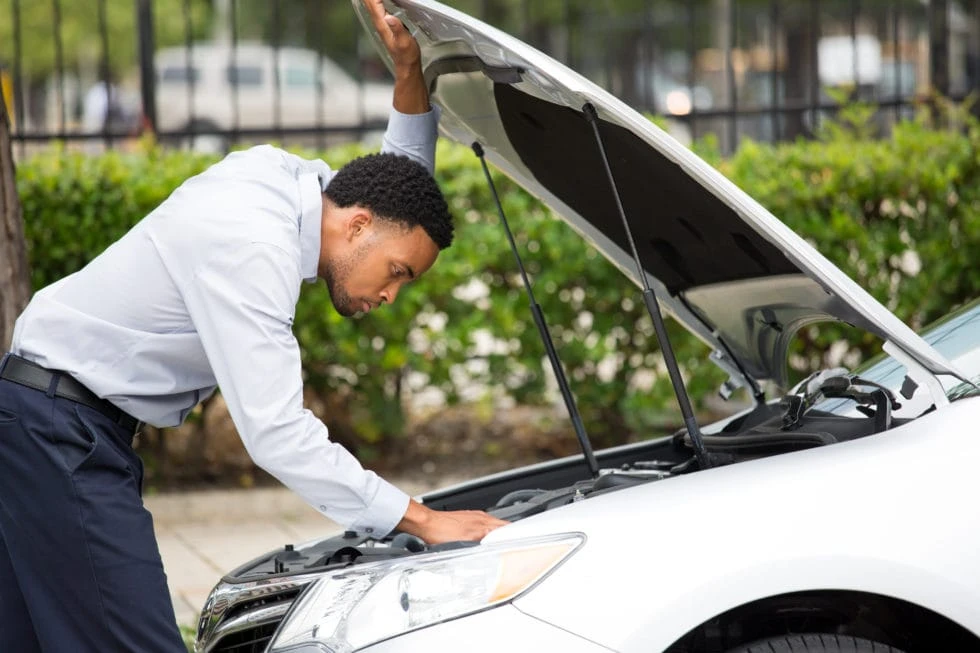
One of the most frustrating experiences a car owner can face is the dreaded moment when they turn the key, press the button, or push the ignition—and nothing happens. The dreaded silence is often accompanied by a sinking feeling: Why won’t my car start? While this issue can leave you feeling helpless, rest assured that many car startup problems are easy to diagnose and fix. In this blog, we’ll explore common causes for a car that won’t start and provide expert tips to help you figure out what’s wrong. With these insights, you’ll be able to perform a thorough Car Won’t Start Diagnosis and possibly save yourself a trip to the mechanic.
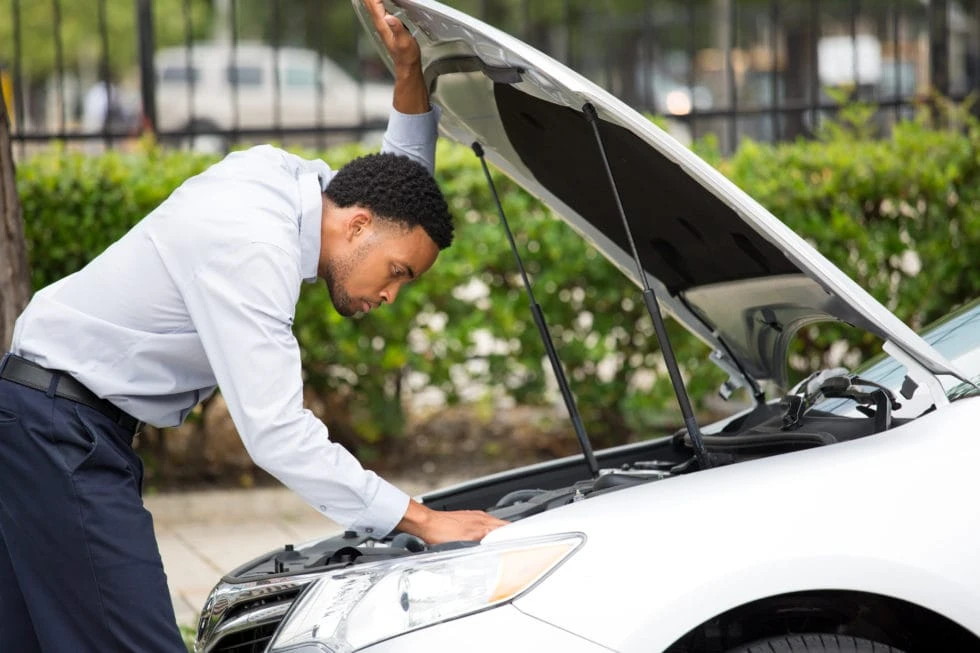
Common Causes of a Car That Won’t Start
There are several reasons why a car might refuse to start, ranging from simple fixes that anyone can handle to more complicated issues requiring professional expertise. Here are some of the most common culprits:
1. Dead or Weak Battery
The most frequent reason a car won’t start is a dead or weak battery. A battery’s primary job is to provide power to the car’s starter motor, which is essential for turning the engine over. If the battery is dead, your car simply won’t have the necessary power to start.
Signs of a Dead Battery:
- No lights or dashboard illumination when turning the key.
- Clicking sound when trying to start the car.
- Dim headlights or electrical components not working.
How to Diagnose:
- Check if the dashboard lights or headlights come on. If not, the battery is likely dead.
- If the lights dim when trying to start the car, the battery might be weak.
- A simple jump-start can help determine if the battery is the issue. If the car starts after a jump, the battery might need replacing.
2. Faulty Starter Motor
The starter motor is responsible for turning the engine over when you turn the key in the ignition. If the starter motor fails, your engine will not crank, and the car won’t start.
Signs of a Faulty Starter:
- A single, loud click when you try to start the car.
- No engine noise at all, even though the battery seems fine.
How to Diagnose:
- Try tapping the starter motor lightly with a hammer while someone attempts to start the car. Sometimes this can get it working temporarily, allowing you to drive the car to a mechanic for a replacement.
- If tapping doesn’t work and you still hear a clicking noise, the starter motor may be faulty and need to be replaced.
3. Fuel Delivery Problems
If your car isn’t getting fuel, it won’t start. Problems with the fuel system, such as a clogged fuel filter, faulty fuel pump, or an empty tank, can prevent fuel from reaching the engine.
Signs of Fuel Delivery Problems:
- The engine cranks but doesn’t start.
- You hear a whirring noise from the fuel pump when the ignition is turned on.
- The car may start briefly but then stalls shortly after.
How to Diagnose:
- Check the fuel gauge to ensure you have gas in the tank.
- Listen for the faint humming sound from the fuel pump when you turn the key to the "on" position.
- If the car turns over but doesn’t start, a clogged fuel filter or malfunctioning fuel pump could be the problem.
- Inspect the fuel lines for any visible leaks or damage.
4. Ignition System Issues
Your car’s ignition system consists of several components, such as spark plugs, ignition coils, and the ignition switch itself. If any of these parts fail, the engine may not receive the spark it needs to start.
Signs of Ignition Problems:
- The engine cranks but won’t fire.
- You may notice rough idling or misfires when the engine is running.
- The engine may stall after starting.
How to Diagnose:
- Inspect the spark plugs for wear and tear. If they are covered in carbon or appear worn out, they may need replacing.
- Check the ignition coils for cracks or damage.
- If your car has a distributor, ensure the ignition switch is working and the distributor is in good condition.
5. Bad Alternator
The alternator charges the car’s battery and powers the electrical system while the engine is running. A failing alternator can result in a dead battery, even if the battery itself is new.
Signs of a Bad Alternator:
- The car starts, but the lights flicker or dim as you drive.
- The battery warning light on the dashboard comes on.
- The car stalls after a short time of running.
How to Diagnose:
- If your car starts but then stalls shortly after, it might be the alternator failing to charge the battery.
- Test the battery voltage with a multimeter. If it reads less than 12 volts, the alternator may not be charging the battery properly.
- Check the alternator belt for wear or looseness.
6. Faulty Neutral Safety Switch
For automatic transmissions, the neutral safety switch ensures that the car can only start in "Park" or "Neutral." If this switch fails, the car won’t start, even if the engine is in the proper gear.
Signs of a Faulty Neutral Safety Switch:
- The car won’t start when in "Park" but may start in "Neutral."
- The car starts intermittently, often when shifted to a different gear.
How to Diagnose:
- Try starting the car in "Neutral" instead of "Park." If it starts, the neutral safety switch is likely faulty.
- Have a professional check the switch for proper functioning.
7. Bad Crankshaft Position Sensor
The crankshaft position sensor monitors the position and speed of the crankshaft, helping the engine’s computer manage ignition timing. If the sensor fails, the engine may not start.
Signs of a Bad Crankshaft Position Sensor:
- The engine cranks but doesn’t start.
- You might experience rough idling or stalling during operation.
How to Diagnose:
- A diagnostic scan can confirm if the crankshaft position sensor is the issue.
- If you have access to a code reader, check for trouble codes related to the crankshaft position sensor.
Expert Tips for Diagnosing Your Car’s Start Failure
Now that we’ve covered some of the common causes for a car that won’t start, here are a few expert tips for performing your own Car Won’t Start Diagnosis:
- Pay Attention to the Sounds:
- The sound your car makes when you try to start it can give you valuable clues. A clicking sound typically points to a battery or starter issue, while a whirring sound suggests a problem with the fuel pump.
- Check for Obvious Issues First:
- Before diving into complex diagnostics, make sure your car is in "Park" or "Neutral" and that you have gas in the tank. It sounds simple, but it’s easy to overlook these basics.
- Use a Multimeter:
- A multimeter is a handy tool for testing the battery and alternator. If your battery voltage is below 12 volts, it might be time for a replacement. If the alternator isn’t charging the battery properly, that’s another red flag.
- Listen for Fuel Pump Noises:
- Turn the key to the "on" position without starting the engine. Listen closely for a faint buzzing or whirring sound from the fuel pump. No sound could indicate a problem with the fuel pump or relay.
- Use a Code Reader:
- Modern cars are equipped with an Onboard Diagnostic (OBD) system that stores error codes when something is wrong. Using a code reader can quickly point you to the root cause of the problem.
Conclusion
If your car won’t start, don’t panic. Many issues are simple to diagnose and fix with a little know-how. By understanding the common causes and following these expert tips, you’ll be able to perform a Car Won't Start Diagnosis like a pro. Whether it’s a dead battery, faulty starter, or clogged fuel line, most problems can be fixed with basic tools and a bit of patience. However, if you’re unsure or encounter more complex issues, it’s always wise to consult a professional mechanic to ensure your car gets back on the road safely and efficiently.