Driving a vehicle that feels stable, responsive, and safe is something every driver expects. Yet, many overlook a crucial aspect of vehicle maintenance that directly affects all these factors—wheel alignment. Proper alignment ensures that your car’s wheels are positioned correctly according to manufacturer specifications, allowing them to work together efficiently. When alignment is off, even slightly, it can lead to a range of issues that impact performance, safety, and overall driving comfort.
What Is Wheel Alignment?
Wheel alignment refers to the adjustment of a vehicle’s suspension system, not the wheels themselves. The suspension connects the car to its wheels and controls how they move and interact with the road. Alignment involves fine-tuning angles such as camber, caster, and toe to ensure the tires meet the road at the proper angle and position.
A well-aligned vehicle distributes weight evenly across all tires, allowing for smoother handling and longer tire life. Even minor deviations can disrupt this balance, making alignment a key maintenance task that should not be ignored.
Common Signs Your Vehicle Needs Alignment
Recognizing the early signs of misalignment can help prevent more serious issues down the road. Here are some indicators to watch for:
1. Uneven Tire Wear
One of the most noticeable signs is uneven or rapid tire wear. If one side of the tire wears down faster than the other, it often points to alignment problems.
2. Vehicle Pulling to One Side
If your car drifts left or right when driving on a straight road, it could mean the wheels are not aligned properly. This can make driving tiring and less predictable.
3. Steering Wheel Off-Center
A steering wheel that doesn’t sit straight when driving straight is a clear indication that your alignment may be off.
4. Vibrations While Driving
Misalignment can sometimes cause vibrations in the steering wheel, especially at higher speeds.
5. Squealing Tires
Unusual tire noises, particularly squealing when turning or accelerating, may also signal improper alignment.
Causes of Wheel Misalignment
Understanding what causes alignment issues can help you take preventive measures. Some of the most common causes include:
Road Conditions
Potholes, uneven roads, and sudden bumps can knock your wheels out of alignment. Even minor impacts can gradually shift alignment over time.
Accidents or Minor Collisions
A small accident or even hitting a curb can affect the suspension and alignment angles.
Worn Suspension Components
Parts such as ball joints, bushings, and shocks wear out over time. When they do, maintaining proper alignment becomes difficult.
Carrying Heavy Loads
Consistently carrying excessive weight can strain your vehicle’s suspension system, leading to alignment changes.
Benefits of Proper Wheel Alignment
Maintaining proper alignment offers more than just a smoother ride. It delivers several practical advantages that contribute to the overall health of your vehicle.
Improved Fuel Efficiency
When wheels are aligned, they roll freely without unnecessary resistance. Misaligned wheels create drag, forcing the engine to work harder and consume more fuel.
Longer Tire Life
Tires are a significant investment. Proper alignment ensures even wear, helping you get the maximum lifespan from your tires.
Better Handling and Control
Aligned wheels improve steering response and stability, especially during turns and sudden maneuvers. This enhances driver confidence and road safety.
Enhanced Driving Comfort
A vehicle that moves straight without constant steering adjustments offers a more relaxed driving experience.
Reduced Stress on Vehicle Components
Misalignment places extra strain on suspension and steering components, leading to premature wear. Correct alignment helps avoid unnecessary repairs.
How Often Should You Check Wheel Alignment?
There isn’t a one-size-fits-all answer, but general guidelines can help you stay on track:
- Every 10,000 to 12,000 kilometers: Regular checks during routine maintenance are recommended.
- After hitting a pothole or curb: Even if no immediate issue is noticeable, it’s wise to get it checked.
- When installing new tires: Ensures the new tires wear evenly from the start.
- If you notice any warning signs: Immediate inspection can prevent further damage.
Routine alignment checks are a small investment compared to the cost of replacing tires or repairing suspension components.
The Wheel Alignment Process Explained
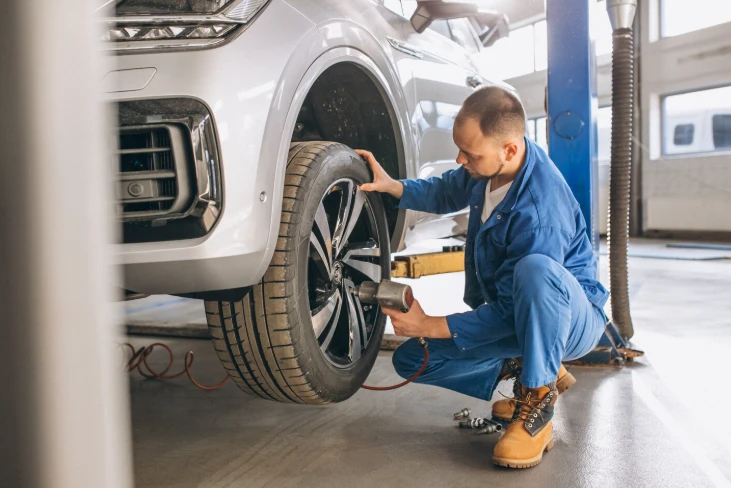
A professional alignment service involves precision equipment and trained technicians. Here’s what typically happens during the process:
Inspection
Technicians first examine the suspension system, tires, and steering components for any damage or wear.
Measurement
Specialized machines measure the current alignment angles and compare them with manufacturer specifications.
Adjustment
The technician adjusts camber, caster, and toe angles to bring them within the correct range.
Test Drive
After adjustments, a test drive ensures everything feels balanced and performs as expected.
Modern alignment machines provide highly accurate readings, making the process efficient and reliable.
Can You Drive With Misaligned Wheels?
While it may seem manageable at first, driving with misaligned wheels is not advisable. The longer you delay fixing alignment issues, the more damage you risk. Tires can wear out quickly, fuel costs may rise, and handling can become unpredictable.
In some cases, severe misalignment can compromise braking performance and overall vehicle safety. Addressing the problem early helps avoid costly repairs and potential hazards.
DIY vs Professional Alignment
Some car owners may consider checking alignment themselves, but accurate adjustments require specialized tools and expertise. While you can visually inspect tires and steering behavior, correcting alignment angles is best left to professionals.
Professional services ensure precise calibration, reducing the risk of further complications. Investing in expert care ultimately saves time and money.
Tips to Maintain Proper Wheel Alignment
Keeping your alignment in good condition doesn’t require complicated steps. A few simple habits can make a noticeable difference:
- Avoid driving aggressively over potholes and speed bumps
- Maintain proper tire pressure at all times
- Rotate your tires regularly
- Inspect suspension components during routine servicing
- Address minor issues before they escalate
Consistency in maintenance helps preserve alignment and improves overall vehicle performance.
Final Thoughts
Wheel alignment plays a vital role in how your vehicle handles, performs, and ages over time. Ignoring it can lead to uneven tire wear, reduced fuel efficiency, and compromised safety. Paying attention to early warning signs and scheduling regular inspections can make a significant difference in your driving experience.
Whether you drive daily or occasionally, keeping your wheels properly aligned ensures your vehicle remains reliable and comfortable on the road. If you notice any changes in handling or tire wear, it may be time to consider a professional check for wheel alignment Plano to keep your vehicle running at its best