
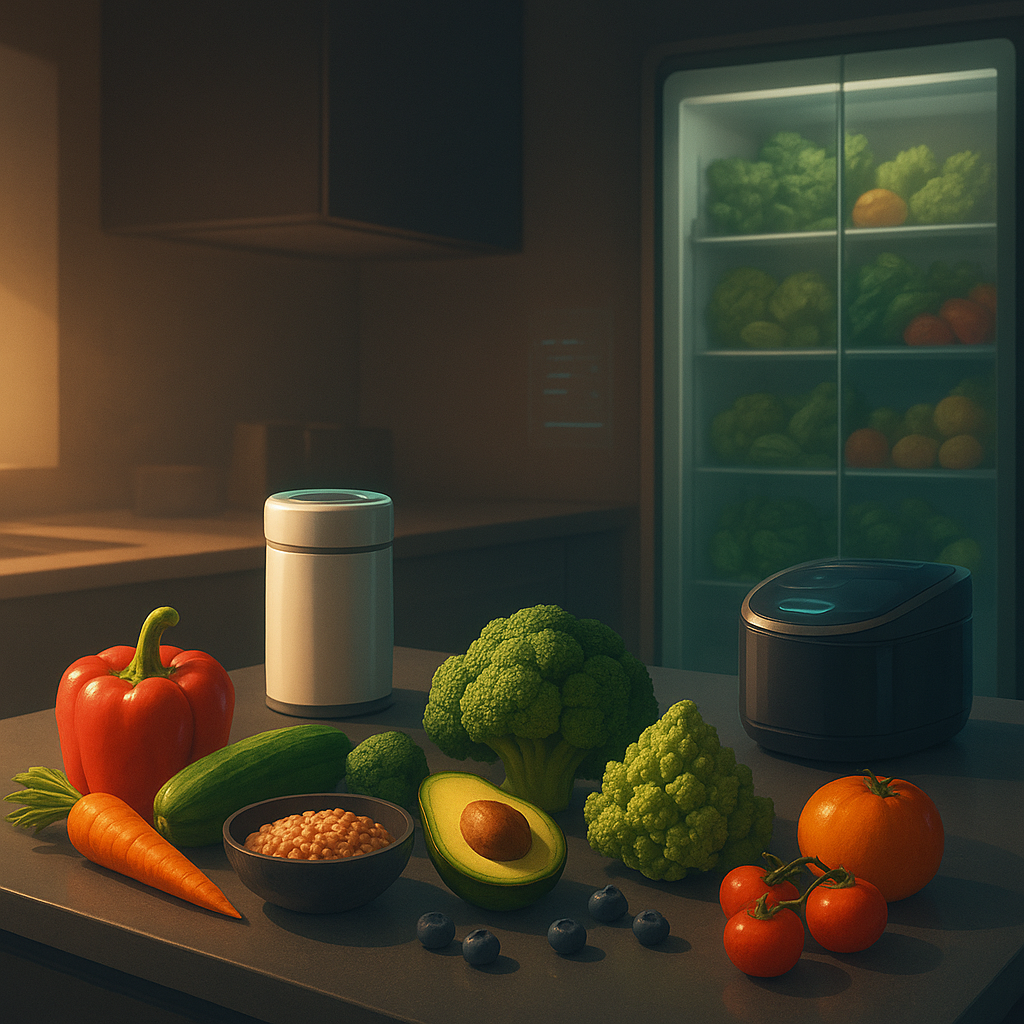
The Hidden Story Behind Every Bite: A Food Reality Check
Imagine sitting down to a meal in 2026 and realizing that every ingredient on your plate carries a story not just of taste, but of environmental impact, cultural identity, health consequences, and economic forces. Food today is no longer just sustenance; it’s a nexus of science, culture, and global politics. Consider that the average American meal now contains elements sourced from at least three different continents, reflecting a complexity few consumers fully grasp. According to USDA data, global food supply chains have expanded by 20% in diversity since 2018, challenging transparency and trust.
As we pick up forks and knives, we engage with a system that influences climate change, public health, and economic equity. The choices we make about food ripple far beyond our own plates. This article unpacks what you need to know about food in 2026, from the roots of modern agriculture to the latest trends reshaping diets and markets. By understanding these dynamics, readers can navigate their food environment more wisely and contribute to a healthier planet and society.
Where We’re Coming From: The Evolution of Food Systems
The journey to the current state of global food is a complex one, shaped by centuries of agricultural innovation, trade, and cultural exchange. The Green Revolution of the mid-20th century dramatically increased yields through synthetic fertilizers and mechanization, but also planted the seeds for today’s challenges: biodiversity loss, soil degradation, and dependence on fossil fuels. By the early 2020s, awareness of these issues led to a surge in regenerative agriculture and localized food movements.
Historically, food was a local affair. Families relied on seasonal, regional produce, with diets closely tied to environment and culture. Globalization altered this paradigm, enabling year-round availability of diverse foods but also introducing vulnerabilities. The COVID-19 pandemic exposed supply chain fragilities, prompting a rethinking of resilience in food systems.
Now, in 2026, the interplay of technology, climate, and consumer consciousness drives a new chapter. Vertical farming, precision agriculture, and alternative proteins have emerged as solutions to feed a growing global population expected to reach 8.5 billion by 2030, according to UN projections. Yet, these advances coexist with unresolved issues of food waste and inequity.
Analyzing Today’s Food Landscape: Data and Dynamics
Current data reveals both progress and persistent challenges. The Food and Agriculture Organization (FAO) reports that global food production has increased by 15% in the last five years, outpacing population growth. However, nearly 9% of the global population remains undernourished, highlighting disparities.
Environmental impact metrics are sobering:
- Food production accounts for nearly 30% of global greenhouse gas emissions, with livestock contributing the majority.
- Water use in agriculture consumes about 70% of global freshwater resources.
- About one-third of all food produced is wasted—equivalent to 1.3 billion tons annually.
Meanwhile, dietary trends show a shift. Plant-based and flexitarian diets have surged in popularity, with the global plant-based food market growing at a 12% CAGR since 2020, according to industry reports. Yet, meat consumption remains high in many regions, driven by cultural preferences and economic factors.
Technological innovations play a crucial role. Precision agriculture uses AI and satellite data to optimize inputs like water and fertilizer, reducing environmental footprints while maintaining yields. Lab-grown meats and novel protein sources like insect-based foods are gaining regulatory approval and consumer acceptance, especially among younger demographics.
“Food systems today must balance productivity with sustainability and equity—this trifecta is essential for future resilience,” says Dr. Helena Mertz, a leading food systems researcher.
Economic implications are significant as well. The global food retail market is projected to surpass $14 trillion by 2030, driven by e-commerce and direct-to-consumer models. Companies like AgriNext and FreshLink are pioneering blockchain-enabled traceability, enhancing food safety and consumer trust.
The Food Revolution of 2026: What’s New and What’s Next
In 2026, food innovation is accelerating at an unprecedented pace. Several key developments are shaping the market and consumer experiences.
- AI-Driven Personalized Nutrition: Advances in genomics and AI now allow consumers to receive tailored dietary recommendations based on their DNA, microbiome, and lifestyle. Companies such as NutriSense and GenomeFuel have launched platforms integrating continuous health monitoring with food delivery, optimizing individual wellness.
- Regenerative and Climate-Smart Agriculture: Governments and private sectors have expanded incentives for farming methods that sequester carbon and restore ecosystems. Over 15 million hectares globally are now certified regenerative, with improved soil health and biodiversity metrics.
- Alternative Protein Mainstreaming: Cultivated meats and insect proteins have moved from niche to mainstream, supported by regulatory approvals in over 40 countries. These products reduce land and water use by up to 90% compared to traditional livestock.
- Food Tech Integration in Urban Spaces: Vertical farms, rooftop gardens, and automated kitchens are integrating into urban infrastructure, improving local food security and reducing food miles.
These trends reflect a convergence of technology, policy, and consumer demand, yet challenges remain in scaling sustainably and equitably. TheOmniBuzz previously explored cultural dimensions in food choices in Why Food Culture Is More Than What’s on Your Plate, emphasizing that technology must respect heritage and social contexts.
“The fusion of tradition and innovation is the future of food. Ignoring cultural roots risks alienating communities and losing valuable indigenous knowledge,” notes Chef and food anthropologist Maria Nguyen.
Voices from the Field: Expert Perspectives on Food’s Future
Industry experts and thought leaders provide critical insight into the trajectory of food systems. Dr. Samuel Ortega, Chief Sustainability Officer at AgriNext, highlights the intersection of technology and policy: "Without robust regulatory frameworks, innovations like lab-grown meats risk becoming luxury items rather than accessible solutions to food insecurity." He advocates for public-private partnerships to democratize food tech benefits.
Nutritionists emphasize the importance of holistic approaches. Dr. Leila Hassan, a clinical dietitian, warns against over-reliance on supplements and technology: "Whole foods and dietary diversity remain foundational for health. Personalized nutrition tools are valuable but cannot replace balanced diets." She points to rising chronic diseases linked to ultra-processed foods as a continuing concern.
Economists note the market shifts affecting food affordability. "Inflationary pressures and supply chain disruptions have increased food prices globally," says economist Ravi Patel. "Consumers, especially in lower-income brackets, face difficult choices that affect dietary quality." Governments are responding with targeted subsidies and food assistance programs.
- Global food price index increased 7% in 2025, according to FAO.
- Food insecurity affects 15% of urban populations in developing countries.
- Policy efforts include expansion of school meal programs and urban agriculture initiatives.
These perspectives underscore the complexity of food as a system entwined with health, technology, and equity. TheOmniBuzz has examined related regulatory challenges in Avoiding Costly Compliance Pitfalls: What Organizations Must Know, highlighting the critical role of governance.
Looking Ahead: What to Watch and How to Act
As we move forward, several key areas warrant close attention for consumers, policymakers, and industry players alike.
- Transparency and Traceability: Blockchain and IoT will increasingly enable consumers to verify food origins, production practices, and nutritional content, fostering trust and accountability.
- Climate Adaptation in Agriculture: Developing crop varieties resilient to drought, heat, and pests will be essential as climate volatility intensifies.
- Reducing Food Waste: Innovations in packaging, supply chain logistics, and consumer behavior change will be critical to tackling the 33% food waste challenge.
- Equity and Access: Ensuring that healthy, sustainable food is affordable and available to all remains a pressing social issue requiring integrated policy solutions.
- Integration of Food Culture: Respecting and revitalizing traditional food knowledge will enrich sustainable food systems and preserve cultural heritage.
Consumers can play an active role by making informed choices and supporting transparent brands. Adopting more plant-forward diets, reducing waste, and engaging in community food initiatives can collectively drive change.
Ultimately, food in 2026 is a mirror reflecting broader societal values and challenges. By understanding the forces at play, we can make decisions that nourish not only ourselves but the planet and future generations.
For readers interested in the interplay of culture and food, Why Food Culture Is More Than What’s on Your Plate offers deeper insights. Meanwhile, the evolving regulatory landscape impacting food-related businesses is thoroughly explored in Avoiding Costly Compliance Pitfalls: What Organizations Must Know.