
Why do some wellness apps become part of people's daily routines while others are quickly forgotten?
The difference often comes down to personalization, convenience, engagement, and meaningful functionality. Users want more than a basic activity counter. They want digital tools that understand their goals and help them make steady progress.
This is why Wellness App Software Solutions are becoming increasingly valuable for organizations looking to create engaging digital wellness experiences.
Creating More Engaging User Journeys
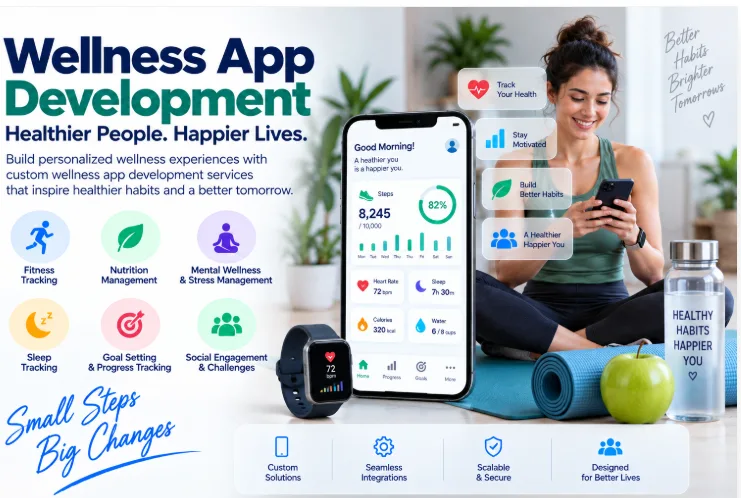
A successful wellness app should make users want to return. Goal setting, progress tracking, personalized recommendations, reminders, challenges, and rewards can turn occasional use into consistent engagement.
Applications can allow users to establish fitness objectives, monitor milestones, and receive feedback based on their activity. These capabilities help make wellness measurable and interactive.
Supporting Physical and Mental Well-Being
Wellness is broader than exercise. A comprehensive platform can include tools for fitness, nutrition, sleep, stress management, mindfulness, and mental well-being.
Organizations can customize applications around particular audiences, such as employees, fitness communities, healthcare consumers, or wellness program participants.
This flexibility is one of the major advantages of Custom wellness app development.
Integrating Multiple Data Sources
Users may already collect health and fitness information through smartwatches, fitness trackers, smartphones, and other connected devices.
Instead of forcing users to manage information across multiple platforms, a connected wellness application can synchronize relevant data. APIs and third-party integrations can help bring information from wearable devices, nutrition databases, and workout platforms into a unified experience.
Helping Users Make Better Decisions
Data becomes more valuable when users can understand it.
Interactive dashboards can transform activity and wellness information into visual summaries. Users may be able to see trends in their workouts, nutrition, sleep, or progress toward specific goals.
For organizations, analytics can also provide insights into engagement patterns and program participation, helping them refine wellness initiatives.
Supporting Virtual Coaching and Expert Guidance
Some wellness platforms can go beyond self-guided activities by connecting users with professionals.
Online consultation and chat features can allow users to interact with nutritionists, fitness professionals, or other wellness specialists. This creates opportunities for more personalized guidance while keeping support accessible through a digital platform.
Making Wellness Programs More Interactive
Gamification can add another layer of engagement. Challenges, points, rewards, badges, and community activities can encourage users to stay involved.
Organizations can also incorporate social features that allow users to share achievements or participate in virtual groups. These experiences can create a sense of community and make wellness activities more enjoyable.
Designing for Scalability and Compatibility
A wellness platform may need to support multiple operating systems, devices, integrations, and user groups. Building flexibility into the application from the beginning can make it easier to expand functionality over time.
Wellness App Development Services can support customized features such as activity tracking, goal planning, nutrition management, wearable integration, notifications, geolocation, social engagement, and virtual consultation.
The Bigger Opportunity in Digital Wellness
The strongest wellness applications are not simply trackers. They act as digital companions that help users understand their habits, stay motivated, and work toward meaningful goals.
With thoughtful wellness app development, organizations can create personalized, connected, and engaging platforms that make healthier living more accessible—and perhaps a little less boring.