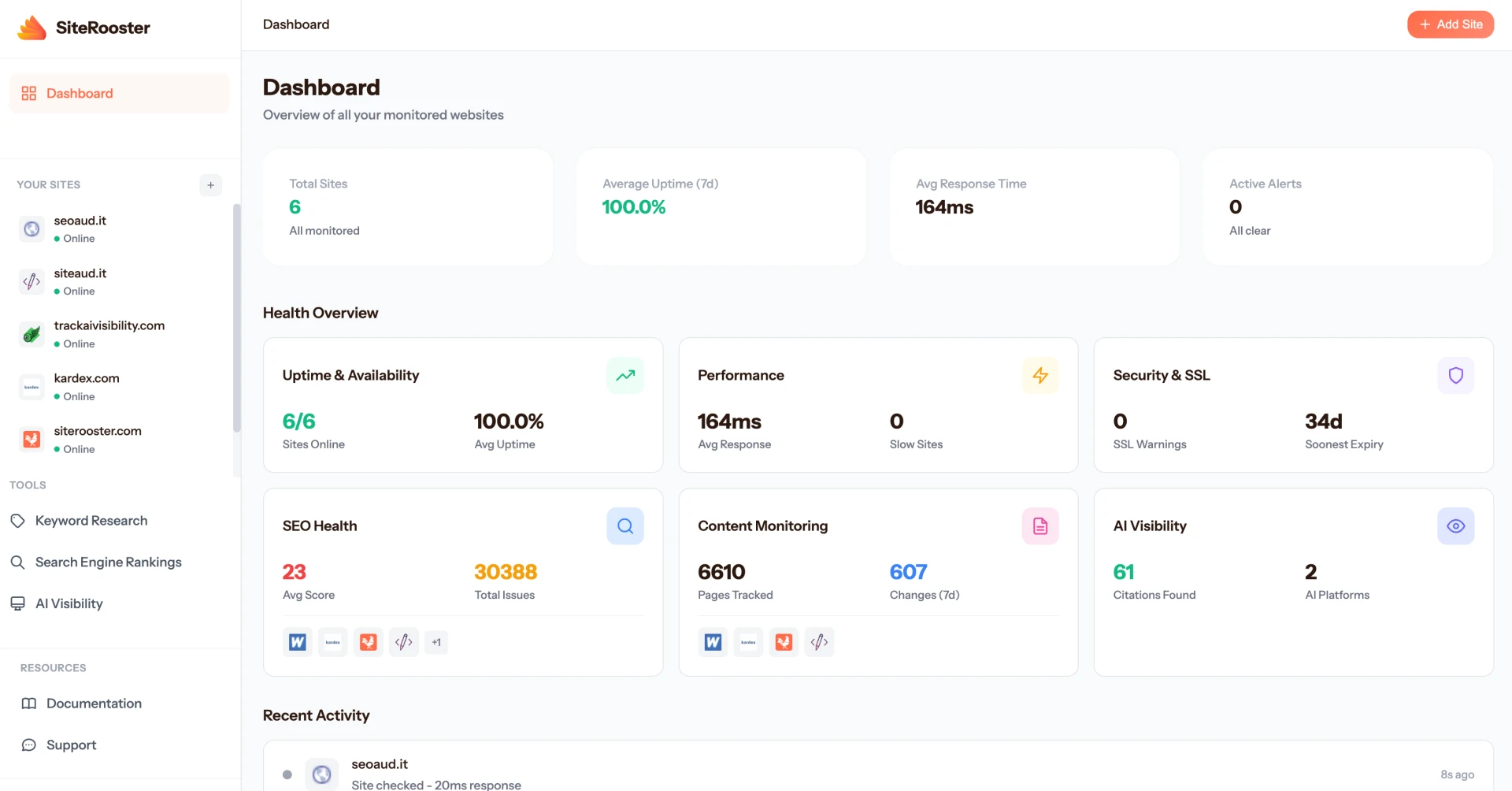
Running an e-commerce store is no longer just about having great products and attractive design. Behind the scenes, your website must work flawlessly every minute of the day. Customers expect fast load times, secure transactions, and uninterrupted access to product pages. This is where Website Monitoring becomes a critical operational necessity rather than a technical luxury.
Online stores operate in a highly competitive environment where even a few minutes of downtime can result in lost sales, abandoned carts, and damaged credibility. Unlike physical stores, an e-commerce website never closes, which means performance issues can occur at any hour. Website Monitoring helps store owners stay informed about uptime, performance, and functionality issues before they impact customers.
For growing online businesses, proactive monitoring provides visibility into how the site behaves in real-world conditions. Instead of reacting after customers complain, store owners can identify and resolve problems early. This approach protects revenue, strengthens brand reputation, and ensures a smooth shopping experience across all devices and regions.
Impact of Downtime on Online Sales
Downtime is one of the most costly issues an e-commerce business can face. When a website goes offline or becomes unresponsive, customers cannot browse products, add items to their cart, or complete purchases. Even short outages can have a significant financial impact, especially during peak shopping hours or promotional campaigns.
Website Monitoring allows store owners to detect downtime immediately, rather than discovering it after sales reports drop. Real-time alerts help teams act quickly, reducing the length and severity of outages. This fast response is essential because online shoppers are impatient and unlikely to wait for a site to recover. Most will simply move on to another store.
Beyond direct revenue loss, downtime also affects advertising efficiency. Paid campaigns may continue driving traffic to a non-functional website, wasting marketing spend. Monitoring ensures that technical issues are identified early so campaigns can be paused or problems fixed before budgets are drained without results.
Downtime can also impact search engine visibility. Frequent outages signal poor reliability, which can hurt rankings over time. Consistent Website Monitoring supports long-term performance by helping maintain stability and availability, both of which contribute to sustainable online growth.
Monitoring Checkout and Payment Pages
The checkout process is the most critical part of any e-commerce website. A customer may spend time browsing products and comparing options, but the final decision happens at checkout. If this stage fails due to errors, slow loading, or broken payment functionality, the sale is lost.
Website Monitoring focused on checkout and payment pages helps ensure these essential workflows operate correctly at all times. Monitoring tools can simulate user actions such as adding items to a cart, submitting forms, and progressing through checkout steps. This allows store owners to detect problems that may not be visible through basic uptime checks.
Payment gateways, third-party integrations, and security measures add complexity to the checkout process. Even a minor configuration change or update can introduce issues that block transactions. Continuous monitoring helps identify these failures immediately, allowing technical teams to fix them before customers encounter frustration.
A reliable checkout experience directly impacts conversion rates. When customers feel confident that payments will process smoothly, they are more likely to complete purchases. Website Monitoring provides the assurance that critical revenue-generating pages are always functioning as intended, regardless of traffic volume or system changes.
Protecting Customer Trust with Monitoring
Trust is a cornerstone of successful e-commerce. Customers share personal information, payment details, and delivery addresses with the expectation that the website is secure and reliable. Any sign of instability can quickly erode that trust.
Website Monitoring plays a vital role in maintaining customer confidence by ensuring consistent performance and availability. Slow load times, broken pages, or repeated errors can make a site appear unprofessional or unsafe. Monitoring helps identify performance bottlenecks that may affect user experience, especially on mobile devices where expectations for speed are even higher.
Security-related monitoring is also essential. Unexpected changes in site behavior, server responses, or page availability can indicate deeper issues that need immediate attention. By staying aware of how the site behaves around the clock, store owners can address problems before they become visible to customers.
Consistency builds credibility. When shoppers know they can rely on a store to work smoothly every time they visit, they are more likely to return, recommend the brand, and make repeat purchases. Website Monitoring supports this consistency by acting as an always-on safeguard for the customer experience.
Ensuring uninterrupted shopping experiences
An uninterrupted shopping experience is the goal of every online store, regardless of size or industry. Customers want to browse, compare, and purchase without delays or technical distractions. Achieving this requires ongoing attention to site performance, uptime, and functionality.
Website Monitoring provides the insights needed to maintain that seamless experience. By continuously tracking key aspects of site behavior, store owners gain a clear understanding of how their platform performs under different conditions. This data helps guide informed decisions about infrastructure, updates, and optimization efforts.
As e-commerce operations grow more complex, relying on manual checks is no longer practical. Automated monitoring ensures that issues are detected even when teams are offline or focused on other priorities. This proactive approach minimizes disruptions and supports long-term business stability.
Conclusion
Ultimately, Website Monitoring is not just about preventing problems. It is about creating confidence for both store owners and customers. When systems are reliable and performance is consistent, businesses can focus on growth, marketing, and customer engagement, knowing their online store is protected and prepared to deliver uninterrupted shopping experiences.