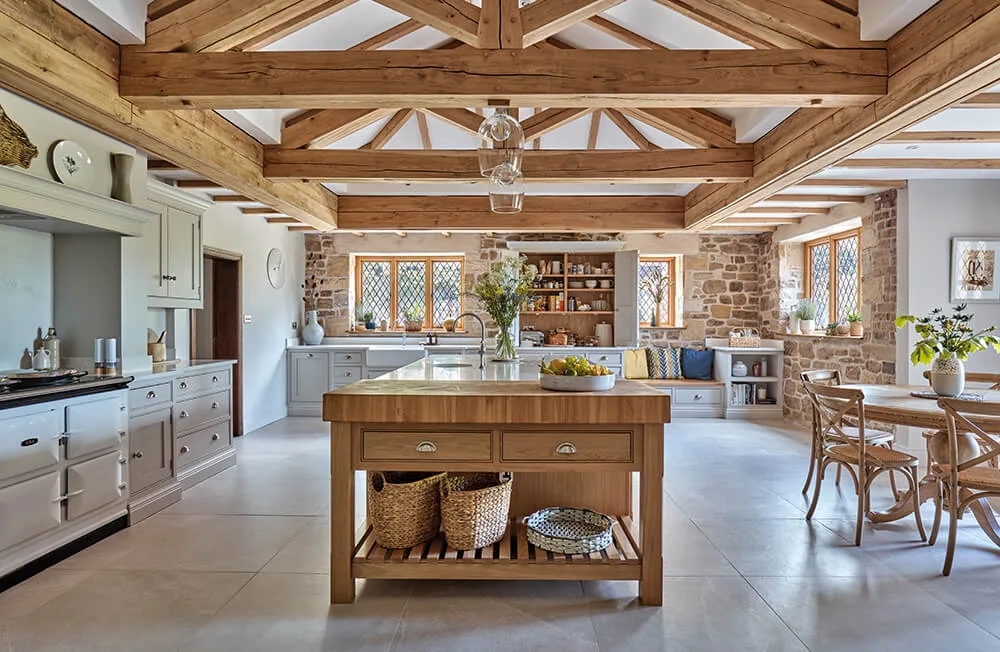
In recent years, kitchen design trends across the UK have undergone a noticeable transformation. While cool greys and stark minimalism once dominated, homeowners are now gravitating toward a softer, more inviting aesthetic: warm neutral kitchens. This shift reflects not just a change in colour preferences, but a broader movement toward comfort, functionality, and timeless design.
The Rise of Warm Neutrals
Warm neutrals include shades like beige, taupe, cream, soft browns, and muted earthy tones. Unlike colder palettes, these colours create a sense of warmth and homeliness, making kitchens feel like the true heart of the home. Given that modern kitchens often double as social spaces, dining areas, and even workstations, this comforting atmosphere has become increasingly important.
The UK’s often grey and overcast weather also plays a role. Warm tones help counterbalance the lack of natural sunlight, creating interiors that feel brighter and more welcoming year-round.
A Move Away from Sterile Minimalism
For years, ultra-modern kitchens with glossy finishes and monochrome schemes were the standard. While visually striking, they often lacked personality and warmth. Today’s homeowners are prioritising spaces that feel lived-in and personal.
Warm neutral kitchens strike the perfect balance between modern and classic. They offer:
- A timeless look that won’t quickly go out of style
- Greater flexibility in pairing with different textures and materials
- A softer, more approachable aesthetic
This evolution is particularly evident in areas investing in Kitchen Refurbishments Sevenoaks, where homeowners are blending contemporary layouts with traditional warmth.
The Role of Natural Materials
Warm neutral kitchens often go hand-in-hand with natural materials. Wood, stone, and textured finishes are key elements that enhance the overall look. These materials not only add visual interest but also contribute to a more sustainable and eco-conscious design approach.
Popular choices include:
- Wooden cabinetry in oak or walnut finishes
- Stone or quartz worktops with subtle veining
- Ceramic or clay tiles in earthy tones
- Brass or copper hardware for a touch of warmth
These materials age gracefully, adding character over time rather than appearing worn or outdated.
Creating a Multi-Functional Space
Modern kitchens are no longer just for cooking. They serve as hubs for entertaining, relaxing, and even working from home. Warm neutral tones help unify these multiple functions by creating a cohesive and calming environment.
In places focusing on Kitchen Refurbishments Oxted, designers are increasingly incorporating features like:
- Open shelving for a more relaxed, accessible feel
- Kitchen islands that double as dining or workspace areas
- Soft lighting to enhance the warm tones
- Upholstered seating to blend kitchen and living spaces
This approach ensures that kitchens are both practical and comfortable for everyday living.
Versatility in Styling
One of the biggest advantages of warm neutral kitchens is their versatility. They act as a perfect backdrop for various design styles, whether you prefer rustic, modern farmhouse, Scandinavian, or contemporary interiors.
Homeowners can easily personalise their space with:
- Statement lighting fixtures
- Colourful accessories or appliances
- Indoor plants for a fresh, natural touch
- Artwork or decorative pieces
Because the base palette is neutral, these additions can be updated over time without requiring a complete redesign.
Enhancing Property Value
Investing in a warm neutral kitchen is not just about aesthetics—it can also boost property value. Potential buyers are more likely to be drawn to a kitchen that feels welcoming and adaptable rather than one with bold or overly specific design choices.
In regions seeing growth in Kitchen Refurbishments Tonbridge, estate agents often highlight kitchens as a key selling point. A well-designed neutral kitchen allows buyers to envision their own style in the space, making the property more appealing.
Key Features of Warm Neutral Kitchens
To summarise, here are some defining characteristics of this trend:
- Soft, earthy colour palettes
- Use of natural and sustainable materials
- Layered textures for depth and interest
- Warm metallic accents like brass or gold
- Flexible layouts that support modern living
- Subtle contrasts rather than stark colour differences
The Psychological Appeal
There’s also a psychological aspect to consider. Warm colours are known to evoke feelings of comfort, relaxation, and security. In a world that often feels fast-paced and stressful, homeowners are seeking spaces that offer a sense of calm and stability.
Kitchens designed with warm neutrals can:
- Reduce visual stress compared to high-contrast designs
- Create a cosy environment for family gatherings
- Encourage longer, more enjoyable time spent in the space
Looking Ahead
The popularity of warm neutral kitchens shows no signs of slowing down. As design trends continue to evolve, the focus is likely to remain on creating spaces that are both beautiful and functional. Sustainability, comfort, and timeless appeal will continue to drive homeowner preferences.
Rather than chasing fleeting trends, warm neutral kitchens offer a lasting solution that adapts to changing lifestyles. Whether through subtle updates or full-scale renovations, this design approach is reshaping how UK homes look and feel.
In essence, warm neutral kitchens represent more than just a colour trend—they reflect a shift toward more thoughtful, liveable interiors that truly support modern life.
Also Prefer our other Blog: