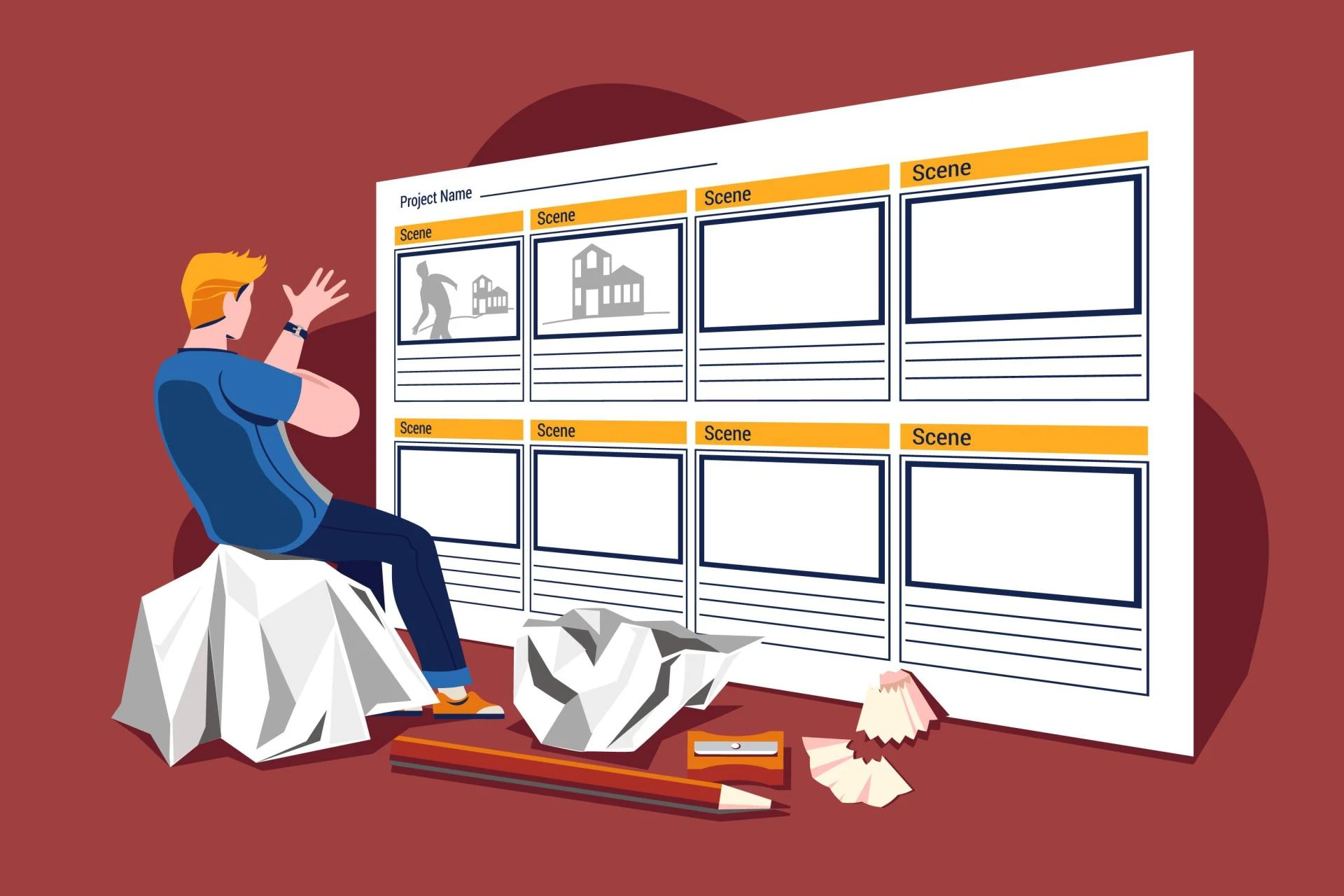
Every creative project starts with an idea. It might be a video concept, a marketing campaign, an animation, or an educational lesson. While ideas are powerful, they can easily become confusing without a clear plan. Visual storyboards help creators organize thoughts and turn imagination into a structured path. They allow creators to see the entire story before production begins, making the process smoother and more confident.
Why Planning Is Critical in Modern Creative Work
Today’s creative environment moves fast. Teams are expected to deliver quality content quickly while working with limited time and budgets. Without proper planning, projects can face delays, misunderstandings, and rework. Visual storyboards provide a clear roadmap. They help creators decide what happens first, what comes next, and how everything connects. This level of clarity improves efficiency and reduces stress for everyone involved.
Digital Tools Make Story Planning Easier
Traditional storyboarding with pen and paper still exists, but digital solutions have changed how creators work. Using storyboarding software allows ideas to be edited, rearranged, and refined without starting from scratch. Creators can move scenes, add notes, and test different story flows quickly. This flexibility makes planning faster and more enjoyable, especially for projects that require frequent changes.
Improving Communication Across Creative Teams
Creative projects often involve multiple people, such as writers, designers, editors, and clients. Clear communication is essential, but it can be difficult when ideas stay inside someone’s head. Visual storyboards solve this problem by showing the story clearly. When everyone sees the same plan, feedback becomes more focused, revisions are quicker, and misunderstandings are reduced. This keeps the workflow smooth and organized.
Saving Time by Catching Problems Early
One of the biggest advantages of storyboarding software is the ability to spot problems early. Missing scenes, unclear transitions, or weak story flow can be identified before production begins. Fixing these issues at the planning stage saves time and avoids costly changes later. This helps teams stay on schedule and within budget while delivering better results.
Helping Stories Flow Naturally
A strong story needs a natural flow. Visual storyboards help creators see whether the story makes sense from beginning to end. They reveal gaps, repeated ideas, or sections that feel out of place. By adjusting the structure early, creators can build stronger and more engaging stories. This results in content that feels polished and easy to follow.
Useful for Many Creative Industries
Visual storyboards are not limited to filmmakers or animators. They are widely used in marketing, education, training, product design, and digital content creation. Teachers use them to plan lessons, businesses use them to explain ideas, and marketers use them to organize campaigns. This wide range of uses shows how valuable visual planning has become across industries.
Easy to Use for Beginners
You don’t need advanced design skills to create a visual storyboard. Most tools are simple and user-friendly, making them accessible to beginners. Drag-and-drop features and clean layouts help users focus on ideas rather than technical details. This allows anyone, regardless of experience, to plan stories effectively.
Powerful Enough for Professionals
While storyboards are beginner-friendly, they also meet professional needs. Experienced creators can build detailed story plans with multiple scenes, notes, and revisions. This makes visual storyboards suitable for both small projects and large-scale productions. Professionals appreciate the structure and clarity that storyboards provide.
Keeping Creative Projects Organized
Creative projects often involve many moving parts. Without organization, ideas can become scattered and difficult to manage. Visual storyboards keep everything in one place. Scenes, notes, and changes remain easy to track. This organization helps creators stay focused and confident throughout the project lifecycle. It also reduces stress, as everyone knows exactly what needs to be done at each stage. Organized storyboards make it easier to meet deadlines and maintain high-quality results.
Supporting Better Creative Decisions
Visual planning supports smarter decision-making. When ideas are displayed visually, it becomes easier to compare options and choose what works best. Storyboards also help explain ideas to clients or stakeholders clearly. This leads to faster approvals and fewer revisions, saving time and effort. Creators can test multiple approaches before committing to production. This ensures the final result aligns perfectly with the original vision.
Encouraging Creativity Instead of Limiting It
Some people think planning limits creativity, but the opposite is true. Visual storyboards remove confusion and allow creators to focus on creativity. With a clear structure in place, creators can experiment freely and improve ideas without feeling lost. Planning provides freedom, not restriction. It also encourages innovative thinking, as creators can visualize unconventional ideas safely. Structured planning gives creators the confidence to take creative risks.
Final Thoughts
Visual storyboards have become an essential part of today’s creative workflow. They improve clarity, communication, and efficiency while helping creators tell stronger stories. Platforms like Voca Tales support this process by making visual planning simple, organized, and accessible for modern creators who want to turn ideas into clear and engaging narratives.