If you own an antique lamp, you already know that finding the right shade for it is not easy. Most shops sell plain, mass-produced covers that look out of place on a base with real history behind it. That gap is exactly why so many collectors and homeowners search for Affordable Victorian Lampshades for Antique Lamps that actually match the period style of their lighting.
This guide covers what makes these shades different, how they are made, and where to source or build one without spending a fortune.
What Makes Victorian Lampshades Different From Modern Designs?
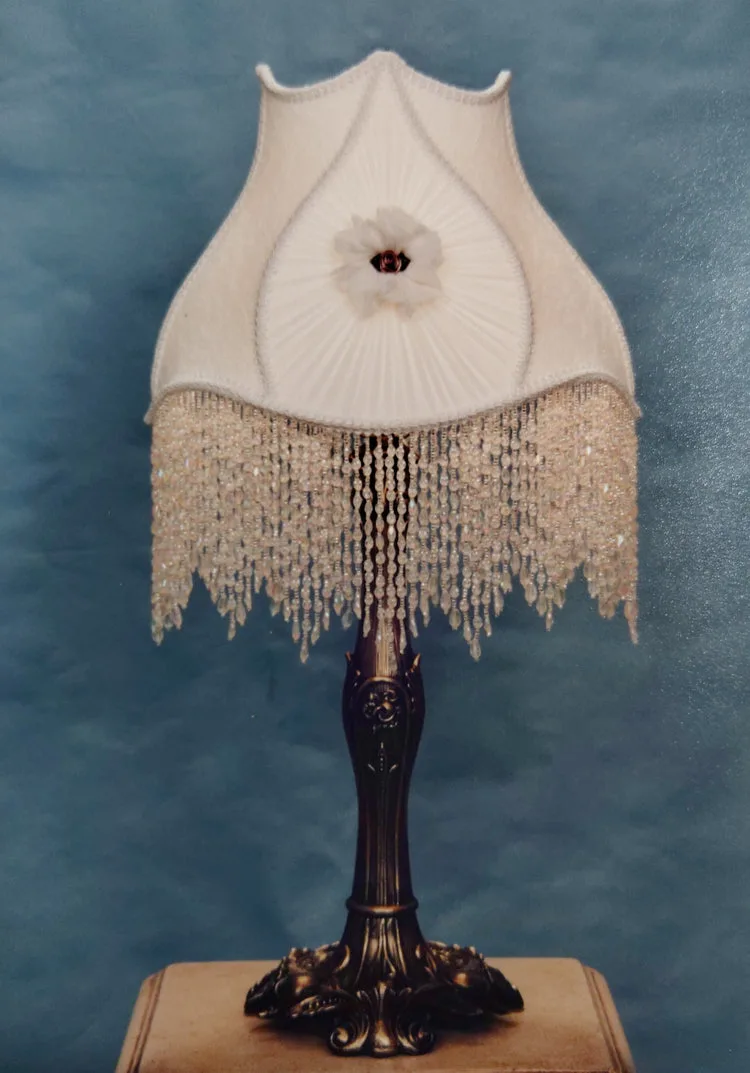
Victorian Lampshades are built with fabric, trim, and structure in mind, not just function. A typical piece includes a wire frame, a fabric lining, an outer layer such as silk or lace, and decorative trim like beaded fringe or ribbon accents.
Modern shades are usually simple cylinders or drums made from paper or plain cotton. Period-style shades, on the other hand, often use scalloped edges, layered fabric, and hand-applied trim work.
That extra detail is what gives a lamp its character. It's also why a shade built in this style tends to cost more than a basic replacement from a big-box store.
Why Are Antique Lampshades Still Popular Today?
Antique Lampshades have stayed popular for a simple reason: they fit lamps that were never designed for modern shades. An old brass or glass lamp base often has a fitter size or shape that doesn't match today's standard products.
There's also a practical side to this trend. People restoring a family lamp or a flea-market find want the finished piece to look correct for its era, not mismatched.
Home décor styles have also shifted back toward warmer, layered lighting. A soft fabric shade on an older base gives a room a lived-in feel that a plain modern shade can't match.
Where Can You Find Affordable Antique Lampshades for Your Lamp?
There are three realistic paths here: buy one ready-made, commission a custom piece, or build your own from a kit.
- Ready-made shades are the fastest option but rarely match a specific lamp base exactly.
- Custom-made shades fit perfectly but cost more since someone else is doing the labor.
- A lampshade kit sits in the middle. You get the frame and materials already matched together, and you supply the time.
For anyone who wants control over the fit, color, and trim without paying custom-order prices, a kit is usually the most affordable route. One example worth looking at is the Victorian Beauty Lampshade Kit, which includes a 10-inch wire frame along with lining, lace, silk chiffon, French scroll trim, beaded fringe, and ribbon rosebud accents in a single package.
What Materials Go Into a Handmade Victorian Lampshade?
A handmade Victorian lampshade typically combines several layers:
- A wire frame that sets the shape and size.
- Seam binding to wrap and finish the frame edges.
- A fabric lining for structure and light diffusion.
- An outer fabric layer, often silk or lace.
- Trim pieces such as fringe, scroll braid, or fabric flowers.
Each layer serves a purpose beyond looks. The lining softens the light coming through, while the outer fabric and trim carry most of the visual style. This is also why a well-built shade holds up for years instead of fading or sagging after a few months of use.
How Do You Match a Lampshade to an Antique Lamp Base?
Matching starts with measurements, not appearance. You'll want the shade's bottom diameter, top diameter, and height to sit in proportion with the lamp base, generally with the shade width close to the widest part of the base.
Fitter type matters too. Older lamps commonly use a clip-on, uno, or spider fitter, and picking the wrong one means the shade won't sit correctly no matter how nice it looks.
Color and fabric weight play a role as well. A dark bronze or brass base usually pairs well with warmer fabric tones like cream, ivory, or soft gold rather than stark white.
Can Beginners Make Their Own Victorian Lampshade?
Yes, and this is one of the more approachable craft projects once you have the right supplies. A guided Victorian lampshade kit removes the guesswork of sourcing matching fabric, trim, and a properly sized frame separately.
Most beginners start with a medium frame around 10 to 13 inches, since it's easier to handle than a large or oddly shaped design. Following a step-by-step video or written pattern alongside the kit shortens the learning curve considerably.
It also helps to work with someone who has done this for decades. Mary Maxwell of LampShadeLady, based in Roseville, California, has taught this craft for close to 40 years and pairs her kits with instructional videos for exactly this reason.
What Should You Look for in a Victorian Lampshade Kit?
Not every kit is built the same way, so a few things are worth checking before you buy:
- Frame size should match the lamp base you already own.
- Fabric quality matters, since thin material shows seams and wire more easily.
- Trim variety determines how close the final look gets to a true period style.
- Instructions or video support make a real difference for first-time makers.
A kit that bundles all of these elements together, rather than forcing you to buy each part separately, tends to save both time and money in the long run.
How Do You Care for and Maintain an Antique Lampshade?
Fabric shades need gentler handling than plastic or glass versions. Dust buildup is the most common issue, and a soft brush attachment on a vacuum, used on the lowest setting, removes most of it safely.
Keep fabric shades away from direct sunlight when possible, since UV exposure fades silk and lace faster than other materials. Spot cleaning with a barely damp cloth works for small marks, but soaking or heavy scrubbing can loosen trim and stitching.
Storing a spare shade in a breathable fabric bag, rather than plastic, also helps prevent yellowing over time.
Top Tips for Choosing the Right Size and Shape
A few practical pointers before making a final decision:
- Measure your lamp base height and multiply by roughly 0.6 to estimate a starting shade height.
- Match the fitter type first, since size adjustments are easier than fitter swaps.
- Pick trim that complements, rather than competes with, an already detailed lamp base.
- If you're unsure, a medium 10-to-13-inch frame works for most standard table lamps.
Getting these basics right the first time saves you from reordering supplies or reworking a finished shade.
Final Thoughts
A well-matched shade changes how an entire lamp reads in a room. Whether you buy one ready-made, order a custom piece, or build it yourself with a kit, matching fabric, frame size, and fitter type to your base is what makes the final result look correct.
For anyone restoring an heirloom lamp or simply drawn to period-style lighting, this project is one of the more rewarding ways to bring an old piece back into daily use.
FAQs
1. What is the average cost of a Victorian-style lampshade kit?
Kits typically range from around $100 to $200 depending on frame size, fabric, and trim included.
2. Do I need sewing experience to make my own lampshade?
Basic hand-stitching helps, but most kits are designed for beginners with no prior sewing background.
3. What size frame fits a standard table lamp?
A medium frame, roughly 10 inches tall and 12 to 13 inches wide, fits most common table lamp bases.
4. Can I use these shades on modern lamp bases?
Yes, as long as the fitter type and shade proportions match the base, style doesn't limit compatibility.
5. How long does it take to complete a handmade shade?
Most beginners finish a medium-sized shade in a weekend, though pace varies by experience.
6. What fabric holds up best over time?
Silk and silk chiffon are common choices, though tightly woven cotton blends also wear well.
7. Are wire frames reusable if I want to change the fabric later?
In many cases, yes, as long as the original binding and fabric are removed without tearing them first.
8. How do I know which fitter type my antique lamp needs?
Check the metal ring at the top of the current shade or the harp on the lamp itself; clip-on, uno, and spider are the three common types.
9. Can a lampshade be repaired instead of replaced?
Minor trim or seam damage can often be repaired, but heavily faded or torn fabric usually needs full replacement.
10. Where can I find supplies and kits for this type of project?
Specialty retailers such as LampShadeLady carry frames, fabric, trim, and complete kits built specifically for this style.