For decades, pet nutrition has revolved around the idea that dogs require meat to survive and thrive. However, modern research is steadily reshaping that assumption. Veterinary nutritionists now emphasize a simple truth: pets need specific nutrients, not specific ingredients. In other words, what matters most is whether a diet delivers the right balance of proteins, fatty acids, vitamins, and minerals in forms the body can absorb.
When formulated correctly, plant-based diets can meet every essential nutritional requirement for dogs. In fact, recent peer-reviewed studies comparing plant-based and conventional meat-based diets show no health deficiencies in pets consuming nutritionally complete plant foods. Some studies even report improvements in longevity and overall health indicators.
Amid this expanding body of research, veterinarian-created vegan dog food, nutritious vegan diets for dogs, and well-rounded plant-based pet diets signify a progressive approach to feeding companion animals. The emphasis has shifted away from the debate of meat versus plants and toward nutrient accuracy and digestibility.
Nutrients Matter More Than Meat
Dogs require essential nutrients to support bodily functions, not specific ingredients like meat. These nutrients can be sourced from both animal and plant ingredients when formulated correctly.
A nutritionally balanced vegan diet provides the same critical components dogs need daily:
- Complete amino acids that support muscle development and tissue repair
- Essential fatty acids that promote healthy skin, coat, and brain function
- Vitamins that regulate metabolism and immune health
- Minerals that support bones, organs, and biochemical reactions
- Digestive fibers that aid gut health and nutrient absorption
The real benchmark of quality nutrition is whether these nutrients are delivered in the correct ratios and bioavailable forms. Plant-based ingredients such as lentils, peas, chickpeas, pumpkin, and whole grains naturally provide many of these nutrients.
When diets are thoughtfully designed, plant ingredients can work jointly to create a complete amino acid profile that supports canine health just as effectively as meat-based formulas.
Precision Nutrition Delivered Through Plants
Modern vegan pet diets rely on precise nutritional science rather than assumptions about ingredients. Veterinary nutritionists carefully design recipes that meet or exceed established pet food standards.
These diets prioritize:
- Diverse plant proteins selected for their amino acid balance
- Whole foods that naturally contain vitamins and minerals
- Minimal supplementation only when necessary
- Carefully calculated levels of protein, fat, and fiber
Key Nutrients in Plant-Based Dog Nutrition
Key Nutrients in Plant-Based Dog Nutrition
Nutrient - Role in Dog Health - Common Plant Sources
Protein - Supports muscle growth and repair - Lentils, peas, chickpeas
Omega fatty acids - Supports skin, coat, and brain health - Flaxseed, algae oils
Vitamins - Aid immune and cellular function - Pumpkin, carrots, greens
Minerals - Strengthen bones and metabolism - Legumes, seeds
Fiber - Improves digestion and gut health - Sweet potatoes, pumpkin
Because plant foods contain a wide variety of micronutrients, combining ingredients ensures balanced nutrition.
Because plant foods contain a wide variety of micronutrients, combining different ingredients allows nutritionists to deliver complete and balanced nourishment.
Whole Foods and Gentle Processing
One major concern in conventional pet foods is how heavily ingredients are processed. Many meat-based products undergo multiple high-heat treatments and chemical preservation steps before reaching a pet’s bowl. These processes can reduce nutritional value and sometimes create harmful byproducts.
Plant-based diets often take a different approach by emphasizing:
- Whole food ingredients
- Lower processing steps
- Nutrient preservation during preparation
Modern preparation techniques, such as retort canning, help retain nutritional integrity while ensuring food safety. This process cooks and sterilizes food efficiently, so pets receive maximum nutritional value from fresh plant ingredients.
As a result, dogs can benefit from meals that are both nutrient-dense and easier to digest.
Supporting Digestive Health Naturally
Digestive health plays a major role in public wellness. When pets digest food efficiently, they absorb more nutrients and maintain stronger immune systems.
Plant-based diets naturally include fiber that supports:
- Balanced gut bacteria
- Improved stool consistency
- Better nutrient absorption
- Reduced digestive stress
Ingredients such as pumpkin, lentils, and whole grains contribute natural prebiotic fibers that nourish beneficial gut microbes. This microbial balance supports not only digestion but also immune health and energy levels.
For many dogs, transitioning to plant-based nutrition may even improve digestive comfort over time.
How to Transition a Dog to Vegan Nutrition
Switching foods should always be done gradually to help the digestive system adjust.
Recommended transition plan:
- Day 1 to 3: 25 percent new food, 75 percent current food
- Day 4 to 6: 50 percent new food, 50 percent current food
- Day 7 to 9: 75 percent new food, 25 percent current food
- Day 10 onward: 100 percent plant-based diet
For dogs with sensitive stomachs, extending the transition period to 10 to 14 days may help prevent digestive upset. Fresh water should always be available.
A New Perspective on Pet Nutrition
As scientific understanding grows, the conversation around pet nutrition continues to evolve. Instead of asking whether a diet contains meat, veterinarians increasingly focus on whether it provides complete, bioavailable nutrients that support long-term health.
The support for veterinarian-formulated vegan dog food, nutritious vegan dog food options, and a well-rounded vegan diet for pets continues to grow as more studies assess the long-term effects of nutritionally complete plant-based feeding. For pet owners considering alternative nutrition, the primary objective should always be to choose scientifically balanced diets rather than relying on ingredient lists.
In this regard, veterinarian-formulated vegan dog food, nutritious vegan dog food options, and a well-rounded vegan diet (Plant-based nutrition compared to traditional meat diets for pets) embody a careful, evidence-informed method to feeding companion animals.
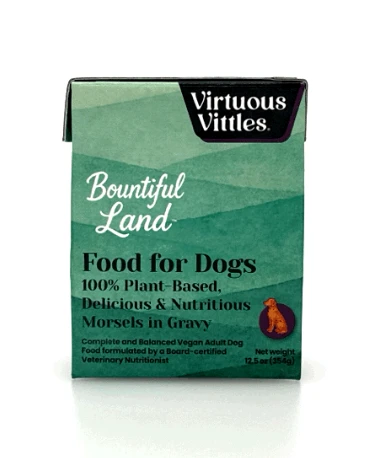
Brands that design their recipes under veterinary nutritional guidance illustrate how this philosophy works in practice. One example is Virtuous Vittles Inc., whose plant-based formulas are developed by a board-certified animal nutritionist and deliver complete nutrition through carefully selected plant ingredients.