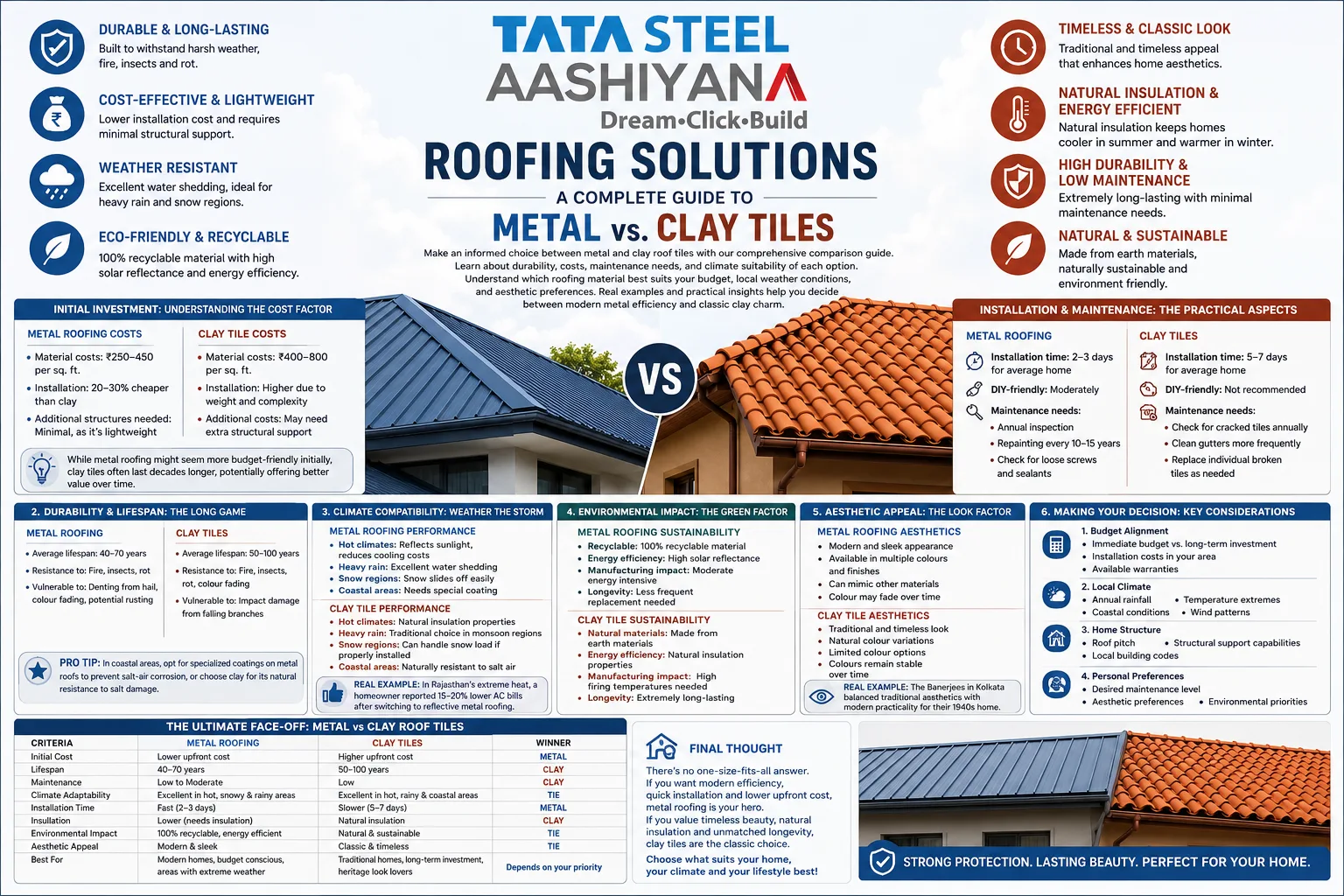
When selecting a roofing system, two options may appear almost identical. The two products may have the same thickness, similar finish and comparable pricing. Most people stop their evaluation of similar products at this point.
Roofing systems perform the way they are engineered, and over time the difference between the two products becomes visible. This difference shows up in rising energy bills, maintenance records, and recurring repairs. This happens due to the way the roofing system is designed, put together and treated.
If the project is working with a tight budget, it is easy to assume that similar products will deliver similar outputs. In practice, this assumption does not work. Some systems will start showing signs of corrosion, wear, distortion, fastener failures and minor leaks.
What appeared like a simple compromise at the procurement stage turns into an ongoing maintenance requirement. You need to think beyond selecting a product and should check how the roof behaves under real conditions like heat, wind, rain and chemical exposure.
What to look for in roofing systems?
- There is a myth that thicker roofing sheets automatically provide better performance. However, long-term durability depends on joint detailing, coating and exposure to environmental stress. In coastal regions, the roofing systems for industrial areas have to face constant salt exposure.
For such cases, sandwiched panels can make a difference. Two roofing systems may appear similar at first glance, but they are not engineered for the same conditions.
- The roof absorbs a large part of the solar energy in industrial buildings. If the insulation performance drops, the temperature rises, and the cooling system has to work harder. This increases the energy consumption. Thermal inefficiency is a hidden cost in roofing.
Using insulated panels in buildings can stabilise the indoor conditions and reduce heat transfer. The benefits build over 15 - 20 years.
- The factor that usually goes unnoticed is how the roofing system is assembled. Sometimes in projects, the roofing is considered as a separate component and the insulation, sheets and fasteners are sourced independently. This can lead to alignment issues, weak joints, and inconsistency in sealing.
Options like roofing panels are designed to work together as one integrated solution. This helps to improve joint integrity and reduces water ingress risk.
Most people understand the actual cost of a roofing system after it has been used for some time. The roof may require frequent coating, repairs, and replacement of components, which add to the operational expenses.
The roofing system you choose determines whether it is a valuable asset or becomes a recurring expense. The decision to select a roofing system is made once but lasts for decades. Two systems may have the same price but may not remain equally durable over time. The real choice should not be the roof that costs less but a roof that costs less to live with.
One of the brands offering quality roofing sheets is Tata. The Tata colour sheets for roof price ranges between ₹55 - ₹100 per kg depending on specifications, thickness and local market rates.