
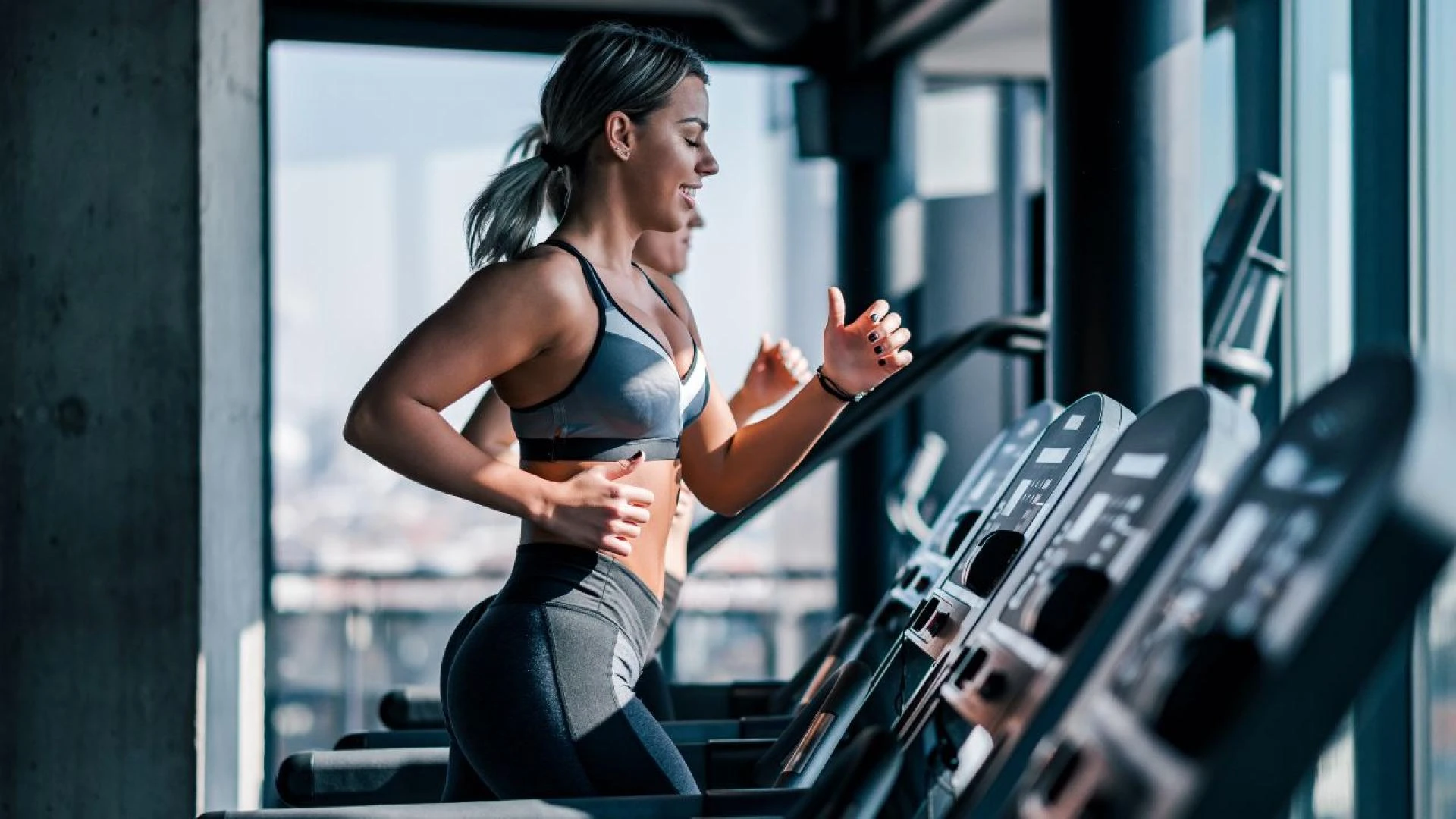
The pursuit of health and wellness is a growing trend in Thailand, with more people than ever seeking convenient and effective ways to stay fit. While local parks and gyms are popular, the unpredictable weather—from intense heat and humidity to sudden downpours—and the often heavy traffic can make exercising outdoors a challenge. This is where the home gym comes into its own, and at the heart of many Thai home gyms, you'll find an exercise treadmill. It's not just a piece of equipment; it's a versatile solution that offers a safe, controlled, and accessible way to achieve your fitness goals, regardless of the time of day or the weather outside.
A treadmill is a great investment for anyone in Thailand looking for a reliable way to incorporate regular cardio into their life. From low-impact walking for beginners to intense running and interval training for seasoned athletes, its adaptability makes it a compelling choice.
The Undeniable Benefits of a Home Treadmill in Thailand
The treadmill's popularity is no accident; it provides a range of benefits that are particularly suited to the Thai climate and lifestyle.
1. Exercise in a Controlled Environment
The most significant advantage of a home treadmill is the ability to exercise in a comfortable, controlled environment.
- Beat the Heat and Humidity: Thailand's high temperatures and humidity can make outdoor running feel like a chore and pose a risk of heatstroke or dehydration. A home treadmill allows you to work out in an air-conditioned space, ensuring a comfortable and safe session every time.
- Stay Dry During Rainy Season: The monsoon season brings heavy, often sudden, rain. A treadmill eliminates the need to reschedule workouts or brave the elements, ensuring consistency in your fitness routine.
- Avoid Air Pollution and Traffic: In cities like Bangkok, Chiang Mai, or Phuket, air pollution can be a concern. Exercising outdoors can mean inhaling a significant amount of pollutants. A treadmill allows you to run in a clean, indoor environment, away from vehicle exhaust and city traffic.
2. Versatility for Every Fitness Level
A treadmill is a versatile tool that can adapt to a wide range of fitness goals and abilities.
- Walking and Jogging: For beginners or those with joint concerns, walking or light jogging on a treadmill is an excellent way to improve cardiovascular health and burn calories without putting excessive stress on the body. You can easily adjust the speed to match your comfort level.
- Running and Sprinting: More advanced users can push their limits with high-speed running and sprinting intervals. The treadmill's consistent belt speed helps maintain a steady pace, which is ideal for performance training.
- Incline Training: Most modern treadmills offer an incline feature that can simulate uphill walking or running. This not only increases the intensity of your workout and calorie burn but also targets different muscle groups in your legs and glutes, adding variety and challenge to your routine.
3. A Low-Impact Exercise Solution
While walking and running are often associated with joint impact, a treadmill provides a cushioned surface that is far gentler on your body than running on hard concrete or asphalt.
- Shock-Absorbing Deck: The running deck on most quality treadmills is designed with built-in cushioning and shock-absorbing materials. This technology can reduce the impact on your knees, ankles, and hips by a significant amount compared to outdoor surfaces, making it a great option for individuals with joint pain, those recovering from injuries, or older adults.
- Reduces Risk of Trips and Falls: The flat, consistent surface of a treadmill eliminates the risk of tripping on uneven sidewalks, rocks, or tree roots that you might encounter on an outdoor run. This creates a safer workout environment, especially at night or in low-light conditions.
4. Advanced Features for a Motivating Workout
Modern treadmills have evolved far beyond a simple moving belt. They now come equipped with features that make workouts more engaging and effective.
- Integrated Workout Programs: Many treadmills come with pre-set programs for fat burning, heart rate training, hill climbing, and interval training. These programs automatically adjust speed and incline, providing a structured and challenging workout without constant manual input.
- Performance Monitoring: The console displays essential metrics like time, speed, distance, calories burned, and heart rate. This data helps you track your progress, stay motivated, and ensure you're working within your target heart rate zones for maximum benefit.
- Entertainment and Connectivity: High-end models may include a built-in screen for streaming fitness classes or entertainment, or Bluetooth connectivity to sync with your phone or fitness apps. This turns a potentially monotonous workout into an engaging and enjoyable experience.
Types of Treadmills Available in Thailand
When considering a treadmill for your home, it's helpful to know the different types available in the Thai market, as they vary in features, price, and intended use.
1. Manual Treadmills
These treadmills are powered by your own movement. You propel the belt with your feet, and the belt stops when you stop.
- Pros: Generally the most affordable and compact option, requires no electricity, and provides a challenging workout as you have to work harder to move the belt.
- Cons: Can be difficult to get used to, less comfortable, and not ideal for high-speed running or sprinting. The lack of a motor means no pre-set programs or easy-to-use controls.
2. Motorized Treadmills
This is the most common type of home treadmill. A motor drives the belt, allowing you to set a precise speed and, on most models, an incline.
- Pros: Smooth and consistent operation, wide range of speed and incline settings, and numerous features like built-in workout programs, performance tracking, and entertainment options.
- Cons: Requires electricity, can be more expensive, and takes up more space than a manual treadmill. The motor power (horsepower) is an important factor to consider for durability and performance.
3. Folding Treadmills
A subcategory of motorized treadmills, these are designed with space-saving in mind.
- Pros: Can be folded up and stored vertically, making them an excellent choice for condominiums or smaller homes in urban areas like Bangkok or Phuket where space is at a premium. Many models also have transport wheels for easy maneuverability.
- Cons: May be less stable or durable than a non-folding model, and the motor might be less powerful on some compact versions.
How to Choose the Right Treadmill for Your Home
Selecting the ideal treadmill requires careful consideration of your personal needs, space, and budget.
1. Assess Your Fitness Goals and User Profile
- Primary Use: Are you a casual walker, a dedicated runner, or a family that will all be using the machine?
- User Weight: Check the maximum weight capacity of the treadmill. A machine with a higher capacity generally indicates a more durable and stable frame.
- Height and Stride: Taller individuals or those with a longer stride should look for a longer and wider running belt to ensure a comfortable and safe workout. A standard belt is around 48 inches long for walking and 55 inches for running, but taller users might need a 60-inch belt.
2. Consider Space and Storage
- Footprint: Measure the space where you plan to place the treadmill, both when in use and if it's folded for storage. Don't forget to account for clearance around the machine for safety.
- Portability: If you need to move the treadmill frequently, look for a model that is foldable and has transport wheels.
3. Motor Horsepower (HP)
The motor is the heart of a motorized treadmill. Its power is measured in horsepower (HP) or continuous horsepower (CHP), which is a more accurate measure of a motor's sustained power.
- For Walkers: A motor with 1.5–2.0 CHP is generally sufficient.
- For Joggers: Look for a motor with 2.0–2.5 CHP.
- For Runners: Aim for a motor with 2.5–3.0 CHP or higher for durability and to handle sustained high speeds.
A higher CHP motor will run cooler and quieter and last longer than a less powerful motor used for strenuous workouts.
4. Cushioning and Deck Quality
The quality of the running deck and its cushioning system are crucial for comfort and joint protection.
- Deck Thickness: A thicker deck and a multi-ply belt provide better cushioning and durability.
- Cushioning System: Look for treadmills with a quality cushioning system, as this is what absorbs the impact of your steps and protects your joints.
5. Console and Extra Features
The console is your interface with the machine. Consider what features are important to you.
- Display: A clear, easy-to-read display is essential.
- Buttons: Look for simple, intuitive controls for speed and incline, preferably with quick-change buttons.
- Connectivity: If you want to use fitness apps or heart rate monitors, ensure the treadmill is compatible.
- Safety Features: A safety key or clip that automatically stops the machine if you fall is a non-negotiable safety feature.
Conclusion
In a country like Thailand, where factors like climate and urban density can present unique challenges to outdoor fitness, the treadmill has emerged as an indispensable piece of home exercise equipment. It offers a safe, private, and highly effective way to pursue your fitness goals, providing a versatile platform for everything from a brisk walk to a challenging sprint. By carefully evaluating your personal needs and considering the key features of different models, you can confidently select the perfect treadmill to become the cornerstone of your home gym, helping you stay active and healthy for years to come.
FAQs
Is running on a treadmill as effective as running outdoors?
Both offer excellent cardiovascular benefits. Running on a treadmill allows for a controlled pace and incline, is easier on the joints due to its cushioned surface, and is not affected by weather or traffic. Outdoor running engages more stabilizing muscles due to varied terrain and offers mental health benefits from being in nature. Both are effective, but a treadmill is often a safer and more convenient choice in Thailand.
How much should I expect to pay for a good home treadmill in Thailand?
The price of a treadmill in Thailand can vary widely. You can find basic manual treadmills for under THB 5,000, while entry-level motorized models start from around THB 8,000 to THB 15,000. Mid-range folding treadmills with good features and a reliable motor typically cost between THB 20,000 and THB 50,000. High-end or commercial-grade models with advanced features can cost over THB 60,000.
How do I maintain a home treadmill?
Regular maintenance is key to a treadmill's longevity. This includes keeping the running belt and deck clean by wiping away sweat and dust after each use. You should also lubricate the running deck periodically, typically every few months, with a silicone-based lubricant to reduce friction. Finally, regularly check and tighten any loose bolts or screws.
Does a treadmill take up a lot of space?
The footprint of a treadmill varies by model. A full-sized, non-folding model can take up a significant amount of floor space. However, many brands offer compact, foldable treadmills that are designed to be stored vertically when not in use, making them a practical solution for smaller living spaces like apartments or condominiums.
Can I lose weight by walking on a treadmill?
Yes, walking on a treadmill is an excellent way to lose weight. It burns calories and can be easily adjusted with speed and incline to increase the intensity. Consistent walking, combined with a healthy diet, can create a calorie deficit, which is the key to weight loss.