Thermal coatings fail primarily because of inadequate surface preparation, incorrect product selection, or poor application conditions. Experts fix these issues by thoroughly stripping the damaged layers, addressing underlying moisture problems, and applying climate-appropriate replacement materials. This straightforward reality explains why many industrial facilities experience premature peeling and blistering on their equipment.
Understanding exactly why thermal intumescent coatings fail saves you significant time and money on repeated maintenance, providing the accurate details you need to protect your facility from structural degradation and rising energy costs.
To secure this protection, industry specialists rely on decades of field data and materials science to diagnose these failures accurately. Their proven technical background ensures you receive permanent solutions rather than temporary patches for your infrastructure.
Why Do Thermal Coatings Deteriorate Prematurely?
Many facility managers wonder why their protective layers degrade much faster than the manufacturer promised. The answer usually points directly to the installation phase rather than the product itself.
Industry data shows nearly 75 percent of all premature failures stem from improper surface preparation. If applicators leave microscopic rust, dirt, or moisture on the substrate, the new layer cannot adhere correctly.
Environmental conditions during application also dictate long-term success. Applying materials in high humidity or extreme cold prevents proper curing and bonding.
Bonus Tip: Always check the ambient temperature and dew point before application begins. A five-degree difference heavily impacts chemical adhesion and drying times.
Facilities in coastal or highly humid environments face unique moisture challenges. If you operate a plant in New England, trapped condensation under the barrier often causes rapid blistering during seasonal temperature shifts.

Signs You Need Thermal Coating Repair Services
You must identify degradation early to prevent extensive corrosion on your underlying structures. Visual inspections often reveal the first warning signs of barrier breakdown.
Look for visible chalking or widespread flaking across the protected surfaces. These physical symptoms mean the barrier no longer stops thermal transfer effectively.
Facility managers should watch for these specific warning signs:
- Unexplained spikes in your monthly energy consumption
- Localized condensation forming on surfaces that should remain dry
- Visible rust bleeding through the outer painted layer
- Audible changes in equipment noise due to lost sound dampening
When the material loses its thermal resistance, your HVAC and processing equipment must work much harder. This extra strain leads directly to mechanical wear and higher operating expenses.
Factors To Evaluate Before Scheduling Professional Coating Repairs
Before investing in extensive repairs, you must evaluate several pre-decision factors to ensure a permanent fix. Rushing into a replacement without diagnosing the root cause guarantees a repeat failure.
Determine the exact operating temperatures of your equipment during peak production cycles. Some standard products degrade instantly if surface temperatures exceed their maximum rated threshold.
Assess the chemical exposure risks in your facility. The new material must possess specific chemical resistance to survive your daily operational environment without breaking down.
Calculate the required downtime for proper surface preparation and curing. You must align the repair schedule with your production calendar to minimize financial losses.
Comparing The Best Thermal Coating Solutions For Durability
Selecting the right replacement material determines how long your new application will last. Different environments require specific chemical compositions to withstand daily wear and tear.
Ceramic-filled acrylics work exceptionally well for basic temperature control and ultraviolet reflection. Epoxy-based formulas provide superior chemical resistance for harsh indoor industrial environments.
Silicone-based products maintain excellent flexibility during extreme temperature fluctuations. This elasticity prevents the material from cracking when metal substrates expand and contract.
Market research indicates that facilities upgrading to specialized silicone-acrylic blends see a 40 percent reduction in maintenance needs over ten years.

How Professionals Handle Failed Coating Restoration
Professional application teams follow a strict methodology to reverse existing damage and prevent future degradation. They never simply spray new material over a failing surface.
The restoration process begins with abrasive blasting or ultra-high-pressure water jetting. This aggressive cleaning removes all compromised material and creates an optimal anchor profile for the new application.
Industry studies show that this level of professional preparation extends the functional life of protective layers by an average of fifteen years.
Experts then apply specialized moisture-curing primers that chemically bond with the freshly cleaned substrate. This foundational layer stops existing oxidation and seals the surface entirely.
Bonus Tip: Request a digital dry film thickness test after the final coat cures to verify the application meets exact manufacturer specifications.
Does Your Facility Need Immediate Coating Intervention?
Ignoring small cracks or minor peeling leads directly to severe structural damage and costly equipment replacement. Proper maintenance requires proactive observation and rapid response to early warning signs.
Understanding how to fix failed thermal coatings helps you make informed decisions about your facility maintenance budget. You can secure long-lasting protection by addressing preparation issues and selecting climate-appropriate materials.
Take time to inspect your critical infrastructure this week to identify any compromised areas. Evaluate your current needs and prioritize repairs based on the severity of the deterioration and your long-term operational goals.
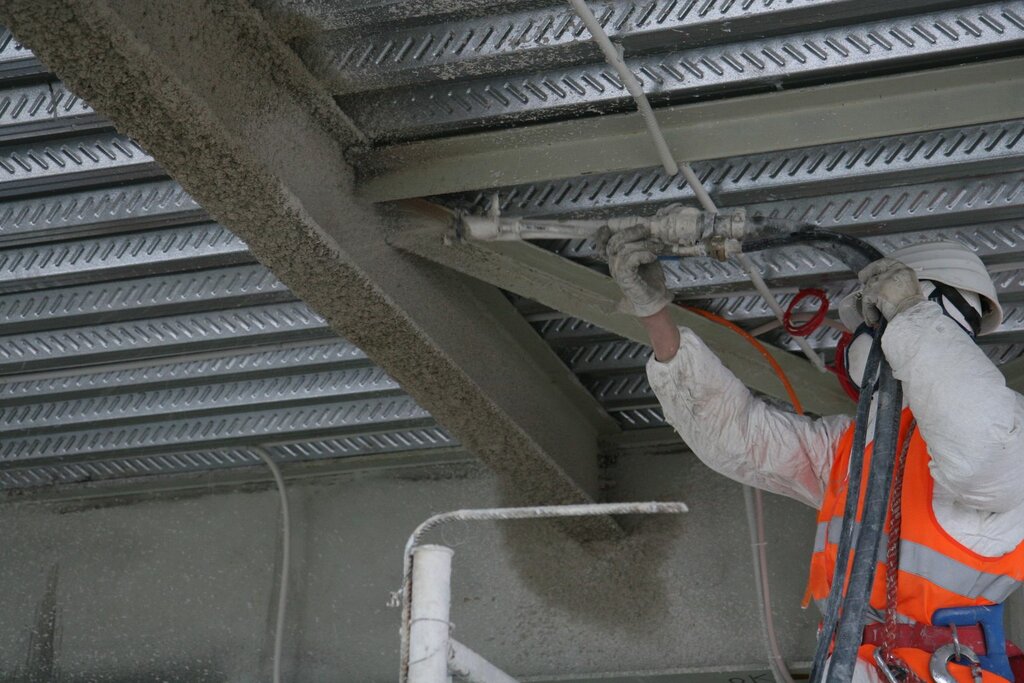
Connect With Specialized Thermal Coating Contractor Services For A Free Quote
Protecting your valuable equipment requires guidance from qualified specialists who understand complex application requirements. You need experienced technicians to properly evaluate your failing materials and implement permanent, high-quality corrections. Reaching out to Lamothe Insulation provides you with the exact technical expertise required for lasting results. You can secure your free quote by calling (508) 847-0119 or emailing [email protected] today.
Frequently Asked Questions
How long should a properly applied thermal layer last?
A professionally applied thermal barrier typically lasts between ten and twenty years depending on environmental conditions. Regular maintenance inspections help ensure the material reaches its maximum expected lifespan.
Can you apply new materials directly over existing rust?
You must completely remove rust and old paint down to the bare substrate before applying new materials. Applying new products over rust guarantees the new layer will fail rapidly.
What weather conditions cause the most application failures?
High ambient humidity and temperatures falling below the manufacturer recommendations prevent proper chemical curing. Rain or heavy condensation shortly after application also destroys the adhesion process.
Do benefits of professional coating repair outweigh DIY costs?
Professional repairs save money long-term by preventing repeat failures through proper surface preparation and correct material selection. Experts also possess the specialized equipment necessary for achieving exact thickness requirements.
How do experts measure if the application is thick enough?
Professionals use ultrasonic dry film thickness gauges to measure the exact depth of the cured material. This verification ensures the application provides the precise thermal resistance promised by the manufacturer.