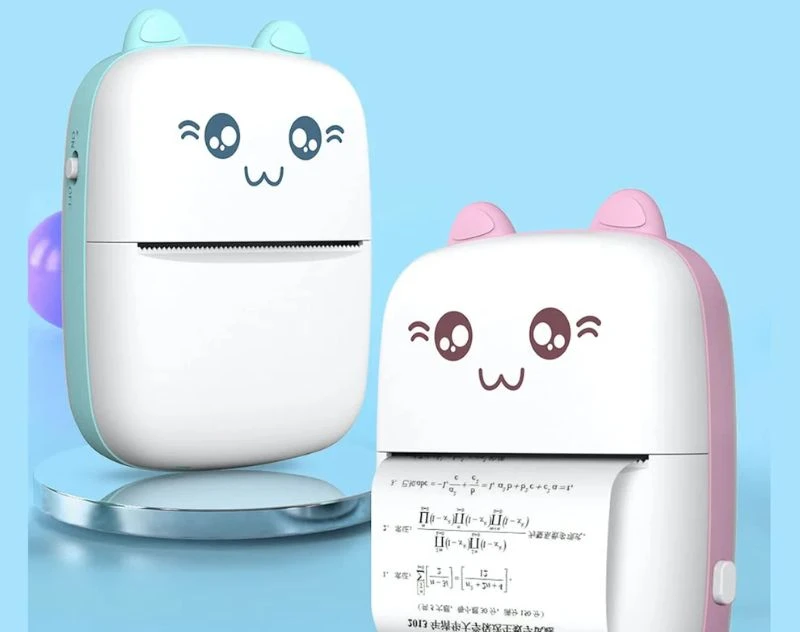
The way people print has changed. Large printers are no longer the default choice for everyday needs. In 2026, the mini printer is gaining steady popularity among students, professionals, creators, and small businesses. Its rise is not driven by hype but by practical daily use.
A mini printer suits modern habits where speed, portability, and simplicity take precedence over high-volume output. This article explains why the mini printer is becoming a must-have smart gadget, how it is used in real life, and what to consider before buying one.
What is a mini printer and how it works
A mini printer is a compact, portable printing device designed to work with smartphones, tablets, or laptops. Most models connect via Bluetooth and use thermal or inkless printing technology.
Instead of large ink cartridges, many mini printers rely on special paper and heat-based printing. This reduces maintenance and makes them easier to carry. Users can print notes, labels, photos, receipts, and reminders within seconds.
Why the mini printer fits modern digital habits
Digital life is fast and mobile. People work from cafes, travel frequently, and rely heavily on smartphones. A mini printer supports this lifestyle by offering quick physical prints without bulky hardware.
Students print revision notes or formulas. Professionals print checklists or meeting points. Creators print stickers or visual references. Platforms like DeoDap have helped make these devices accessible by offering budget-friendly options with clear specifications.
Key reasons behind the growing demand for mini printers
The popularity of the mini printer is not accidental. Several practical factors are driving adoption across different user groups.
Portability and space efficiency
A mini printer easily fits into a backpack or desk drawer. It takes up very little space, making it ideal for small homes, shared offices, and travel use.
People living in compact apartments or hostels prefer devices that do not require dedicated space. This is where the mini printer has a clear advantage over traditional printers.
Simple setup and ease of use
Most mini printers work through mobile apps. Pairing usually takes less than a minute. There are no cables, drivers, or complex settings involved.
This simplicity appeals to non-technical users. Even first-time users can start printing quickly without support or installation issues.
Low maintenance requirements
Ink replacement is one of the biggest pain points with standard printers. Many mini printers avoid this by using thermal paper.
There is no risk of ink drying out or leaking. This makes the mini printer suitable for users who print occasionally rather than daily.
Every day use cases where a mini printer adds value
Understanding real-world use explains why the mini printer is becoming a must-have smart gadget rather than a novelty.
Study and learning support
Students use mini printers to print short notes, diagrams, formulas, and to-do lists. Physical notes often improve recall compared to screen-only reading.
Some students print labels for folders or planners. Affordable options available on DeoDap have made this accessible even on limited budgets.
Work and productivity tasks
Professionals use mini printers for quick task lists, meeting reminders, and reference points. In retail and small offices, they are used for labels and simple receipts.
For remote workers, a mini printer enables an organization to function without the need for office-grade equipment.
Creative and personal projects
Creators and hobbyists use mini printers for stickers, journaling, scrapbooking, and photo snippets. The instant output encourages experimentation and visual planning.
This creative freedom is one reason why mini printers are popular among content creators and small online sellers.
Mini printer vs traditional printer in 2026
Comparing the two clarifies where a mini printer fits best.
Traditional printers handle bulk printing and high-resolution documents. They are better for offices with regular printing needs.
A mini printer focuses on convenience, speed, and portability. It is not designed for long reports or large images. Instead, it supports short, frequent prints that match modern workflows.
Many users now keep a mini printer alongside a shared or office printer rather than replacing one with the other.
Key features to look for when buying a mini printer
Not all mini printers offer the same experience. A few features matter more than others.
Print technology and paper type
Thermal printers are common and cost-effective, but usually print in monochrome. Some models support color printing but may require special paper.
Choose based on what you plan to print most often.
Battery life and charging
Battery-powered mini printers should last through multiple print sessions. USB charging is standard and convenient for travel.
Check estimated prints per charge before buying.
App compatibility and updates
A reliable app improves usability. Look for printers with regularly updated apps that support both Android and iOS.
User reviews on DeoDap often mention app stability, which helps in decision-making.
Build quality and durability
While mini printers are lightweight, they should still feel sturdy. Weak hinges or flimsy paper trays reduce long-term usability.
Limitations to be aware of
Despite their benefits, mini printers have clear limits.
Print size is usually small, often limited to narrow paper rolls. Print speed is slower than traditional printers. Image detail may be lower, especially for photos.
Understanding these limits helps avoid disappointment and ensures the device matches your needs.
Why small businesses are adopting mini printers
Small sellers and home-based businesses value tools that reduce overhead. A mini printer allows quick label printing, order notes, and packaging inserts.
It supports flexibility without high investment. Many small businesses source these devices from platforms like DeoDap due to pricing and variety.
Environmental and cost considerations
Thermal mini printers reduce ink waste, but paper usage still matters. Choosing quality paper reduces reprints and waste.
From a cost perspective, the initial price is low, but paper rolls are a recurring expense. Calculating long-term use helps assess value.
The future of mini printers as smart gadgets
Mini printers are expected to integrate better with productivity apps, note-taking tools, and design platforms. Connectivity and print quality will improve gradually rather than dramatically.
Their role as a companion device rather than a primary printer will continue. This steady evolution supports their position as a practical smart gadget in everyday life.
FAQs
What can a mini printer be used for daily?
It is used for notes, labels, photos, reminders, study material, and simple work tasks.
Does a mini printer need ink?
Most models use thermal printing and do not require ink cartridges.
Is a mini printer suitable for office work?
It works well for light tasks, but not for bulk document printing.
Final thoughts
The mini printer is becoming a must-have smart gadget because it aligns with how people live and work in 2026. It offers speed, portability, and simplicity without the complexity of traditional printers.
When used for the right tasks, it adds convenience rather than replacing existing tools. Understanding its strengths and limits is key to getting value from it.