
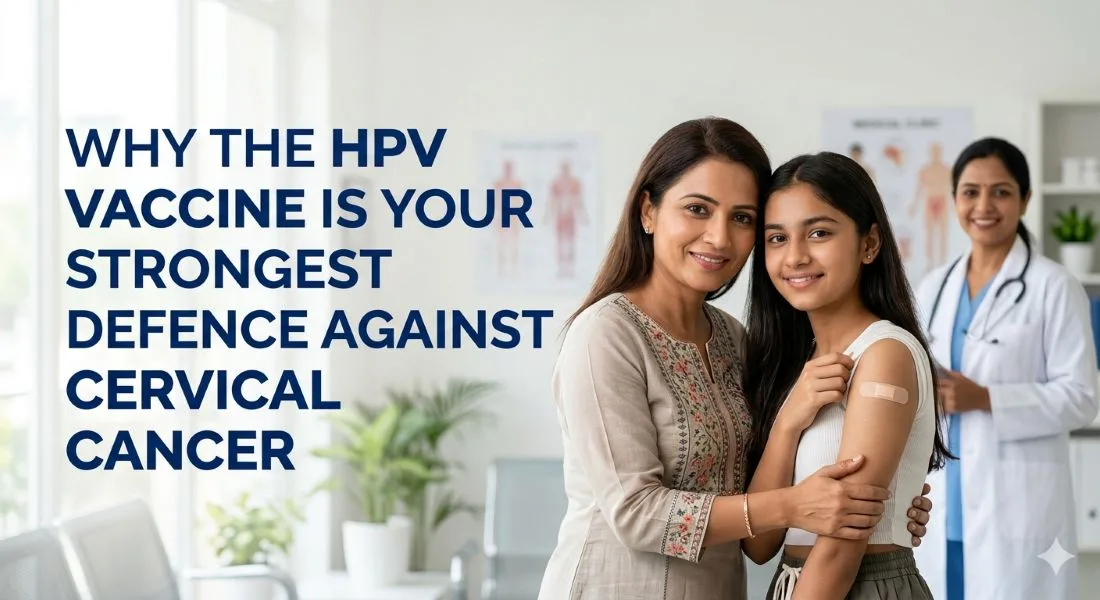
The HPV vaccine protects against the high-risk types of Human Papillomavirus responsible for the majority of Cervical Cancer outcomes. The vaccine offers the greatest benefit when given before exposure to the virus, while regular Pap tests help detect cancers early.
The HPV vaccine is also one of the best methods of preventing Cervical Cancer and other HPV-related diseases, as it has been proven safe and effective.
Key Takeaways
- The HPV vaccine will help prevent the development of Cervical Cancer-related infection.
- The HPV vaccine is most effective when administered prior to exposure to the human papillomavirus.
- Gardasil and Cervavac are two examples of effective vaccines that provide significant protection.
- Side effects are typically mild, and serious adverse events are infrequent.
- The combination of timely re-vaccination and routine Pap testing will provide the most effective long-term protection against Cervical Cancer.
Cervical cancer often develops silently. There are usually no clear warning signs in the early stages, and by the time symptoms appear, the disease may already be advanced. That is what makes prevention so powerful.
The good news is that one simple step can significantly reduce your risk. Vaccination offers a strong line of defence, helping your body fight the virus responsible for most cervical cancer cases before it can cause harm.
What Is HPV and Why Does It Matter?
Human Papillomavirus (HPV) is a common virus, with nearly everyone exposed to some form of it in their lifetime, most likely unknowingly.
Most HPV infections will naturally go away; however, several high-risk HPV types can cause:
- Cervical cancer
- Genital wart
- Other cancers that affect the throat and/or the reproductive system
Therefore, prevention is key.
How Does the Vaccine Protect You?
The HPV vaccine helps teach the immune system to detect and respond to specific high-risk strains of the virus.
When vaccinated:
- Your body receives protection before being exposed to HPV.
- The likelihood of HPV causing you to be chronically infected is greatly diminished.
- You are at a far lower risk of developing cervical cancer.
It is meant to prevent and is more effective when the vaccination is given prior to any HPV exposure.
Who Should Get Vaccinated?
While there is an extensive age range eligible for the vaccine, timing is also important.
The vaccine is intended to be most effective if given
- Before you start to engage in sexual contact
- During your teenage years
- To a young adult, before that person has been exposed to high-risk HPV
However, adults may still benefit, based on their health condition.
Available Vaccine Options
Multiple Vaccines are an option available for the prevention of many HPV strains.
Some examples of these types of vaccines include:
- Gardasil injection will offer the best protection for most high-risk HPV types and is linked with cervical cancer
- The Cervavac vaccine is well-tested and effective, and it's affordable in your area.
Both Gardasil and Cervavac will reduce your risk of developing a long-term infection as well as reduce your risk of developing a long-term complication from an HPV infection.
Is the Vaccine Safe?
The HPV vaccine has undergone extensive research and has been administered globally.
The common side effects are generally benign and typically include:
- Site of injection where pain & swelling occur at the time of injection (Mild Fever)
- Temporary Fatigue (Tiredness).
Serious Adverse Events (SAEs) are rare. The advantages of having vaccinated yourself against several types of cancer serve to outweigh any immediate discomfort caused by receiving an HPV injection.
Why Vaccination Alone Is Not Enough
Vaccination is an effective measure that should be used in conjunction with routine medical care.
The following are examples of important practices in conjunction with vaccination:
- Routine screening (Pap tests) to detect cervical cancer
- Monitor for any abnormal symptoms in your body
- Maintaining healthy overall reproductive health through positive lifestyle choices
This combination will provide you with the greatest protection.
Signs You Should Never Ignore
Regardless of whether you are vaccinated, it is important to remain vigilant for signs and symptoms of infection.
Signs to look for:
- Unusual vaginal bleeding
- Painful intercourse
- Chronic pelvic pain
- Abnormal discharge
Early detection of any of these conditions will improve the chances of successful treatment.
Breaking Common Myths
Numerous individuals have chosen not to receive vaccinations due to confusion about them. Here are some clarifications on the most common misconceptions about vaccinations:
- Vaccines are not a cause of infertility
- Vaccines do not promote early sexual behaviour
- Vaccines provide value even in a healthy state
When people have accurate information, they feel more confident when making sound health-related decisions.
What’s Worth Remembering?
Cervical cancer is a form of cancer that can almost always be avoided through the prevention of infection by the HPV vaccine.
Receiving the HPV vaccine now can not only help protect your current health, but it may also help protect your future health by providing you with protection from HPV-related diseases. In conjunction with regular cervical cancer screenings and being aware of your risk factors, becoming vaccinated against HPV is one of the best ways to ensure that you will not develop cervical cancer in the future.
Disclaimer
The information presented in this article is strictly intended for general informational purposes. It should never be considered as a substitute for obtaining due diligence from a qualified healthcare professional regarding any healthcare decisions or actions taken based upon the contents of this document.