
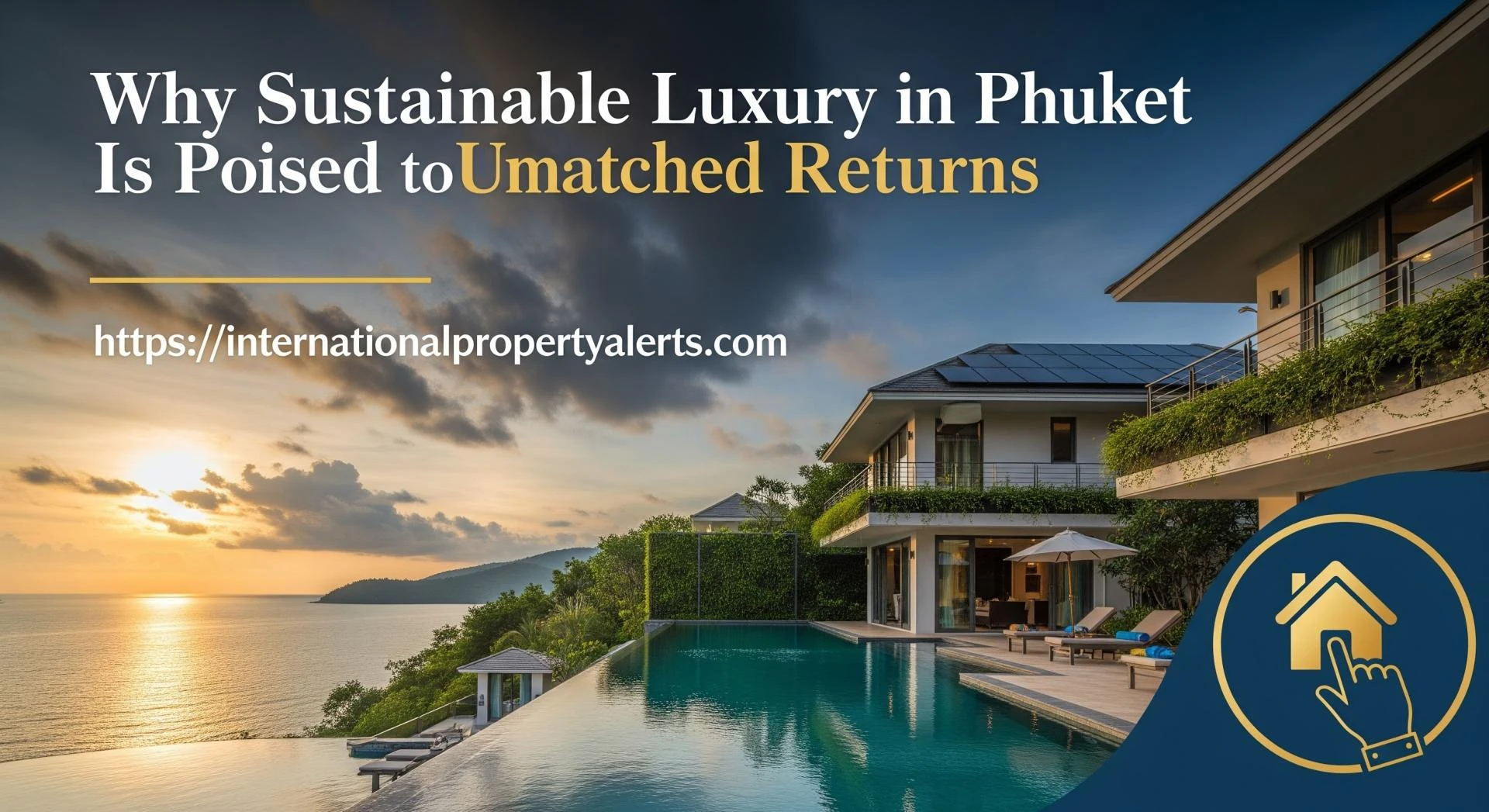
From the moment golden light filters through floor-to-ceiling windows, casting shadows on teak floors and lush vertical gardens, it becomes clear that Phuket’s next frontier in luxury is not only about aesthetics. It is about marrying refined elegance with intelligent design in a way that protects the environment, lowers operating expenses, and commands premium nightly rates. Here are the top three reasons why sustainable luxury is the next profit driver for discerning investors seeking high performance in Thailand’s crown jewel.
1. Energy Efficiency Translates to Lasting Savings
Imagine a beachfront villa where air conditioning runs sparingly, yet every corner remains cool, thanks to high-performance insulation and strategic orientation. In Phuket’s tropical climate, up to 60 percent of utility bills can be consumed by cooling alone. By specifying double-glazed windows, reflective roofing materials and thoughtfully placed shading, developers can slash energy consumption by as much as 40 percent.
For investors, that reduction in running costs is more than just an environmental virtue; it is a clear line on a pro forma. Lower utilities mean greater net operating income and healthier cash flow, which support a higher valuation when you exit or refi. When interviewing developers, ask about internationally recognized certifications such as EDGE, LEED or Thailand’s TREES program. Insist on detailed R-values for walls and roofs, ask whether the structure is solar-ready and inquire about long-term maintenance plans for HVAC systems and photovoltaic arrays. These questions separate truly performing assets from properties that are pretty only on paper.
2. Smart-Home Features Elevate Experience and Revenue
Step inside and let the villa anticipate your needs. Lighting gently brightens as you approach the pool terrace. Climate control adjusts itself based on occupancy patterns. Blinds draw at sunset, framing the Andaman Sea in a perfectly composed twilight. This is the power of integrated smart-home technology. It is a feature that, in today’s upscale market, moves beyond convenience and becomes a signature of exclusivity.
Smart systems not only enhance guest comfort, they provide real-time monitoring of energy usage and predictive maintenance alerts. Early detection of anomalies—such as a failing compressor or a water leak—can prevent costly downtime and property damage. Guests enjoy seamless service and owners enjoy fewer unexpected expenses. In luxury strata or villa estates with managed rental programs, these efficiencies translate directly to higher guest satisfaction scores and repeat bookings, opening the door to rates that exceed market averages by 15 to 30 percent.
When vetting a project, inquire about the make and model of home automation platforms, ask whether the system is scalable for future upgrades, and request a sample maintenance schedule. Confirm that local technicians are factory-trained for prompt, reliable service. A well-executed smart-home ecosystem will pay for itself in operational savings while reinforcing the property’s position at the top of the nightly-rate tier.
3. Low-Density Design Cultivates Premium Positioning
In a market overrun by high-rise developments, true luxury emerges where space is an asset, not an afterthought. Properties designed with low-density principles—generous plot ratios, expansive private gardens, and extensive landscaping—deliver a sense of tranquility and exclusivity that high-rise projects cannot replicate. The result is a sanctuary that appeals to well-heeled travelers and long-stay guests seeking privacy, wellness and an unhurried pace.
From an investment standpoint, low density reduces wear and tear on shared infrastructure and allows for bespoke amenities from private plunge pools to joggling trails through preserved native foliage. These distinctive features support nightly rates well above average and deepen loyalty among high-net-worth guests who prize seclusion.
Prospective buyers should ask developers for the overall plot ratio and the masterplan’s density targets. Request environmental impact assessments that detail water-management strategies and native species preservation. Verify maintenance commitments for communal areas and private grounds. A low-density scheme that balances ecological stewardship with architectural refinement will secure occupancy levels year-round, even during softer travel seasons.
Bridging Beauty and Performance
In Phuket’s ultra-competitive luxury marketplace, investors face a choice: pretty properties that rely on fleeting trends or performing assets designed for resilience, profitability and lasting appeal. Sustainable luxury cuts through the noise by delivering demonstrable efficiencies, elevated guest experiences and the kind of exclusivity that commands top-tier rates.
Next Steps
Begin by compiling a targeted list of developers whose portfolios reflect a commitment to certified green building, advanced automation and low-density masterplans. Schedule on-site visits at dawn or dusk to experience firsthand how light, air and landscape converge in thoughtfully designed spaces. Arm yourself with the questions on certifications, insulation values, solar readiness and maintenance schedules that will separate genuine innovators from mere marketers.
The runway for price appreciation in Phuket remains open. Sustainable luxury is the engine ready to propel your investment to new heights of performance and prestige.
Contact
Ben Battersbee
WhatsApp +639266400529
www.internationalpropertyalerts.com