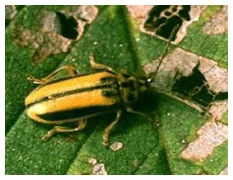
Summer is a critical season for elm trees, but it also marks the peak of activity for one of their most destructive pests: the elm leaf beetle (Xanthogaleruca luteola). These small, bright green beetles may seem harmless at first glance, but their feeding habits can cause severe defoliation, weaken trees, and reduce aesthetic and ecological value. For arborists, councils, and homeowners, understanding why summer is prime time for elm beetle activity — and how to manage it effectively — is essential for healthy, thriving trees.
Understanding Elm Leaf Beetle Activity
Elm leaf beetles are a sap-feeding and leaf-chewing insect that primarily targets elm trees (Ulmus species). Both adult beetles and larvae feed on elm leaves:
- Larvae: Small, yellow-green caterpillars with black stripes, feeding voraciously on leaf undersides.
- Adults: Bright green or yellow with black markings, chewing holes through leaves, and laying eggs on the undersides.
Damage caused by elm leaf beetles includes:
- Skeletonized leaves, where only veins remain intact.
- Premature leaf drop, which stresses the tree and reduces photosynthesis.
- Increased vulnerability to other pests and diseases due to weakened defenses.
Why Summer Is Prime Time for Elm Beetles
Elm beetle activity peaks in late spring through summer due to several biological and environmental factors:
1. Life Cycle Synchronization
- Elm leaf beetles undergo multiple generations per year (often 2–3 in warm climates).
- Eggs hatch in late spring, larvae feed heavily in early summer, and adults emerge for the second generation.
- Summer provides longer daylight hours and warmer temperatures, accelerating development.
2. Optimal Feeding Conditions
- Young, tender elm leaves in early summer are highly nutritious and easy to chew.
- Adults and larvae have abundant food, allowing populations to grow rapidly.
3. Reproductive Timing
- Adults mate in late spring to early summer, laying eggs in clusters on leaf undersides.
- The timing ensures that larvae emerge when food is most plentiful, creating a population surge.
4. Climate Influence
- Hot, dry summer conditions favor faster beetle metabolism and shorter generation times.
- Mild winters may allow more overwintering adults to survive, leading to heavier infestations the following summer.
Signs of Elm Leaf Beetle Infestation
Identifying elm beetle activity early is key to preventing severe defoliation:
- Chewed leaves: Small holes in upper leaf surfaces; larvae feed on leaf undersides.
- Yellowing or browning leaves: Resulting from extensive feeding damage.
- Egg clusters on leaf undersides: Tiny, yellow-orange eggs in rows.
- Presence of larvae: Greenish, soft-bodied caterpillars with black stripes.
- Frass (insect droppings): Small black droppings visible on leaves and ground beneath the tree.
If left untreated, infestations can weaken elm trees, making them susceptible to drought, disease, and other pests.
Effective Treatment Options for Elm Beetles
Treating elm leaf beetles requires a combination of preventive and reactive strategies, tailored to the tree’s size, location, and infestation level.
1. Chemical Foliar Sprays
- Application: Sprays applied directly to the leaves target larvae and adult beetles.
- Timing: Early summer, when larvae are small, is the most effective.
- Products: Pyrethroids and insecticidal soaps are commonly used, but care must be taken to avoid harming pollinators.
- Limitations: Foliar sprays may require multiple applications for large trees and are less effective for tall urban trees.
2. Systemic Tree Injection (Bee-Safe)
- Method: Involves injecting a systemic insecticide directly into the tree trunk, allowing chemicals to move through the xylem.
- Products: Emamectin benzoate (Ema-ject®) is commonly used in Australia and is considered bee-safe, as it does not appear in nectar or pollen.
- Benefits:
- Long-lasting protection (up to 2–3 years)
- Effective for both larvae and adult beetles
- Minimal environmental exposure compared to foliar sprays
- Best Timing: Early to mid-summer when beetle activity is detectable but before heavy defoliation occurs.
3. Mechanical and Cultural Controls
- Leaf collection: Removing and destroying fallen leaves can reduce overwintering populations.
- Pruning: Remove heavily infested branches to slow the spread.
- Maintaining tree health: Watering, mulching, and fertilizing stressed elms make them more resilient to pest attacks.
4. Monitoring and Early Detection
- Inspect trees weekly during summer for eggs, larvae, and adult beetles.
- Early detection allows targeted treatments, reducing chemical use and improving tree recovery.
Integrated Pest Management (IPM) for Elm Beetles
IPM combines chemical, biological, and cultural methods to manage pests sustainably:
- Step 1: Monitor populations using visual inspections.
- Step 2: Remove or prune infested leaves and branches.
- Step 3: Apply foliar sprays or systemic injections if thresholds are exceeded.
- Step 4: Maintain tree vigor with proper watering, mulching, and pruning.
- Step 5: Rotate treatment methods and chemicals to reduce pest resistance.
IPM reduces environmental impact, protects pollinators, and ensures long-term elm tree health.
Best Practices for Treatment Timing
- Early summer: Apply preventive treatments and inject systemic insecticides before larvae population surges.
- Mid-summer: Target active larvae with foliar sprays if infestations are observed.
- Late summer: Inspect for late-generation adults and prepare trees for overwintering.
- Avoid spraying during peak pollinator activity (early morning or evening is best).
Summary
Summer is prime time for elm leaf beetle activity due to favorable temperatures, abundant food, and reproductive cycles. If unmanaged, infestations can cause severe defoliation, weaken trees, and reduce their aesthetic and ecological value.
Effective elm beetle management involves:
- Early detection through monitoring – look for eggs, larvae, and leaf damage.
- Choosing the right treatment – foliar sprays for immediate control, systemic injections for long-term protection, and mechanical methods for local suppression.
- Integrated pest management (IPM) – combining chemical, cultural, and monitoring strategies.
- Protecting tree and pollinator health – using bee-safe products and timing applications to minimize environmental impact.
By understanding the summer activity patterns of elm leaf beetles and applying proactive treatments, arborists and homeowners can ensure that elm trees remain healthy, strong, and vibrant throughout the season.