I used to believe that if a cleaner was sold on a store shelf, it must be safe-and effective. I’d grab whatever bottle promised “deep clean,” “grout whitening,” or “kills 99.9% of germs,” pour it generously on my bathroom or kitchen tile, scrub hard, and expect results.
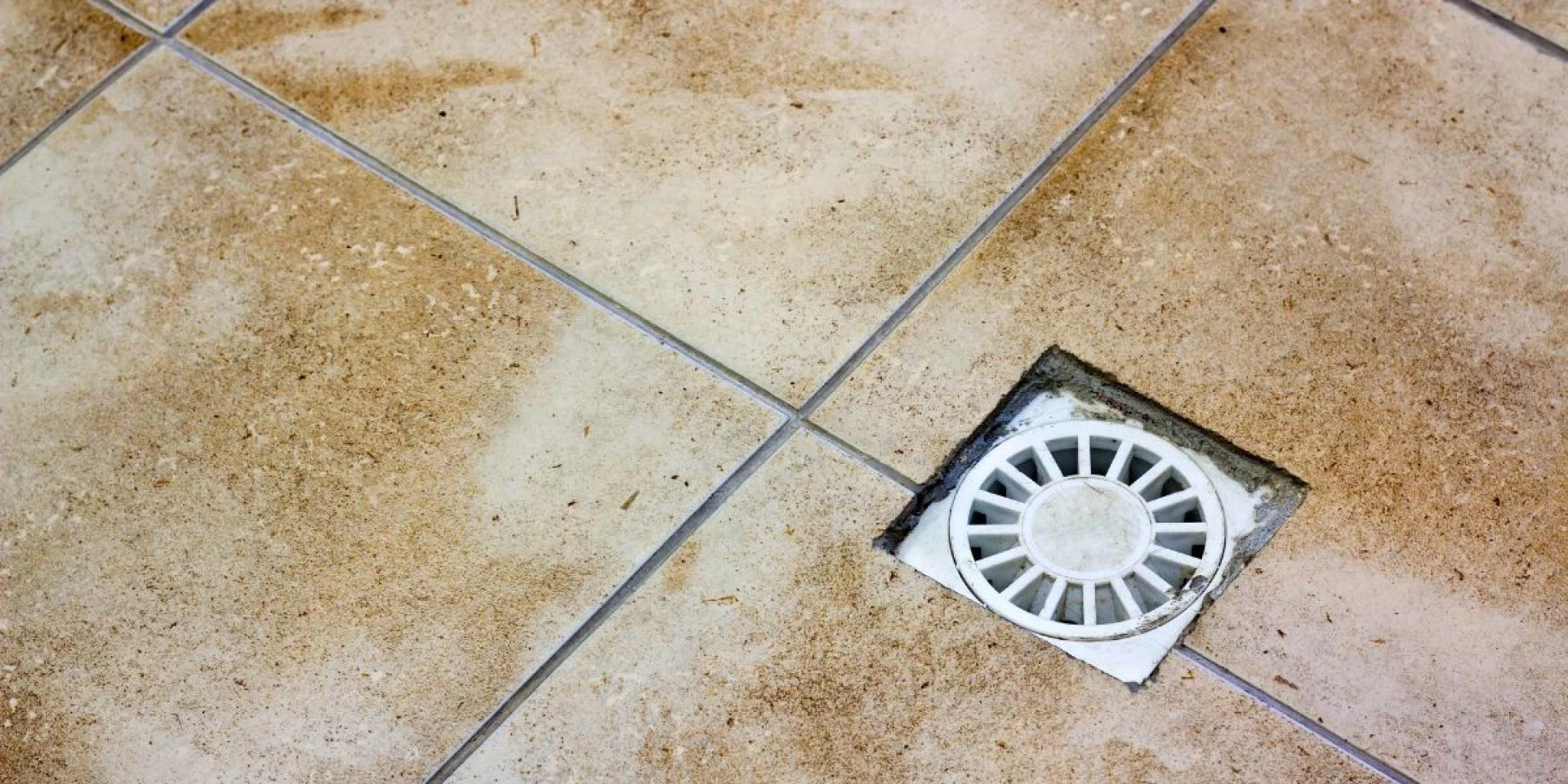
Instead, I kept running into the same problem: the tile might look clean for a few hours, but it never stayed that way. Sometimes it actually looked worse the next day. Duller. Stickier. More uneven.
That’s when I started asking a question most people don’t stop to ask:
Why do store-bought tile cleaners often make things worse instead of better?
The Big Promise vs. The Real Result
Most store-bought products are designed to sell quickly, not to protect your floors long-term. They focus on instant visual improvement, not what’s happening beneath the surface.
What These Cleaners Are Really Designed to Do
Many tile cleaners are formulated to:
- Strip surface dirt fast
- Create a temporary shine.
- Mask odors with fragrance
They’re not designed for actual tile-and-grout cleaning, and that difference matters more than most people realize.
The Hidden Damage Store-Bought Cleaners Cause
I didn’t notice the damage right away. It happened gradually, which is why so many homeowners don’t connect the dots.
They Increase Grout Porosity
Grout is already porous by nature. Many store-bought cleaners contain harsh chemicals that slowly break down grout structure, making it even more absorbent over time.
That leads to:
- Faster discoloration
- Deeper staining
- More pungent odors trapped below the surface
Once that happens, regular grout cleaning becomes much harder.
They Leave Residue Behind
One of the biggest misconceptions about bathroom tile cleaning is that rinsing removes everything. In reality, many cleaners leave behind a thin, sticky film.
That residue:
- Attracts dirt
- Traps bacteria
- Makes floors feel tacky under bare feet
This is why tile can feel dirtier shortly after cleaning.
Why “Stronger” Isn’t Better for Tile Floors
I used to think that if mild cleaners didn’t work, I needed something more substantial. That mindset backfired.
Acidic and Alkaline Cleaners Strip Protection
Over time, harsh cleaners:
- Remove grout sealers
- Etch tile surfaces
- Dull natural finishes
Without that protective layer, dirt embeds faster and deeper.
Bleach Is a Temporary Illusion
Bleach might make grout look whiter initially, but it doesn’t remove dirt-it just lightens it. Once the moisture evaporates, the stains return, often darker than before.
That’s when people feel stuck in a cycle of constant cleaning with no lasting results.
How Store-Bought Cleaners Affect Homes with Pets and Kids
Living with pets or children changes everything about floor care.
Pet Oils and Dander Stick to Residue
Pets leave behind oils that cling to chemical residue left by cleaners. That combination creates buildup that’s incredibly difficult to remove without professional tools.
Kids Increase Moisture and Wear
Splashing, spills, and constant traffic accelerate the breakdown of grout. Store-bought cleaners speed that process up instead of slowing it down.
For families, this is often why dirty tile floors return so quickly.
Why Tile and Carpet Problems Are Connected
This was a turning point for me.
Residue from tile cleaners doesn’t stay on tile. It spreads. It becomes airborne. It settles into nearby carpets.
That’s why homes struggling with tile floor cleaning often also struggle with carpet freshness.
This is where the best carpet cleaning services come into the conversation-not as a separate issue, but as part of the same system.
DIY Doesn’t Mean “Wrong”-It Just Has Limits
I’m not anti-DIY. I still clean my floors regularly. But I had to adjust my expectations.
When DIY Works
- Light maintenance
- Quick touch-ups
- Between professional cleanings
When DIY Stops Working
- Deep grout discoloration
- Lingering odors
- Sticky or dull tile surfaces
At that point, no store-bought product can reverse the damage already done.
What Professional Cleaning Does Differently
Professional tile and grout cleaning isn’t just about stronger products. It’s about technique.
Extraction Instead of Coating
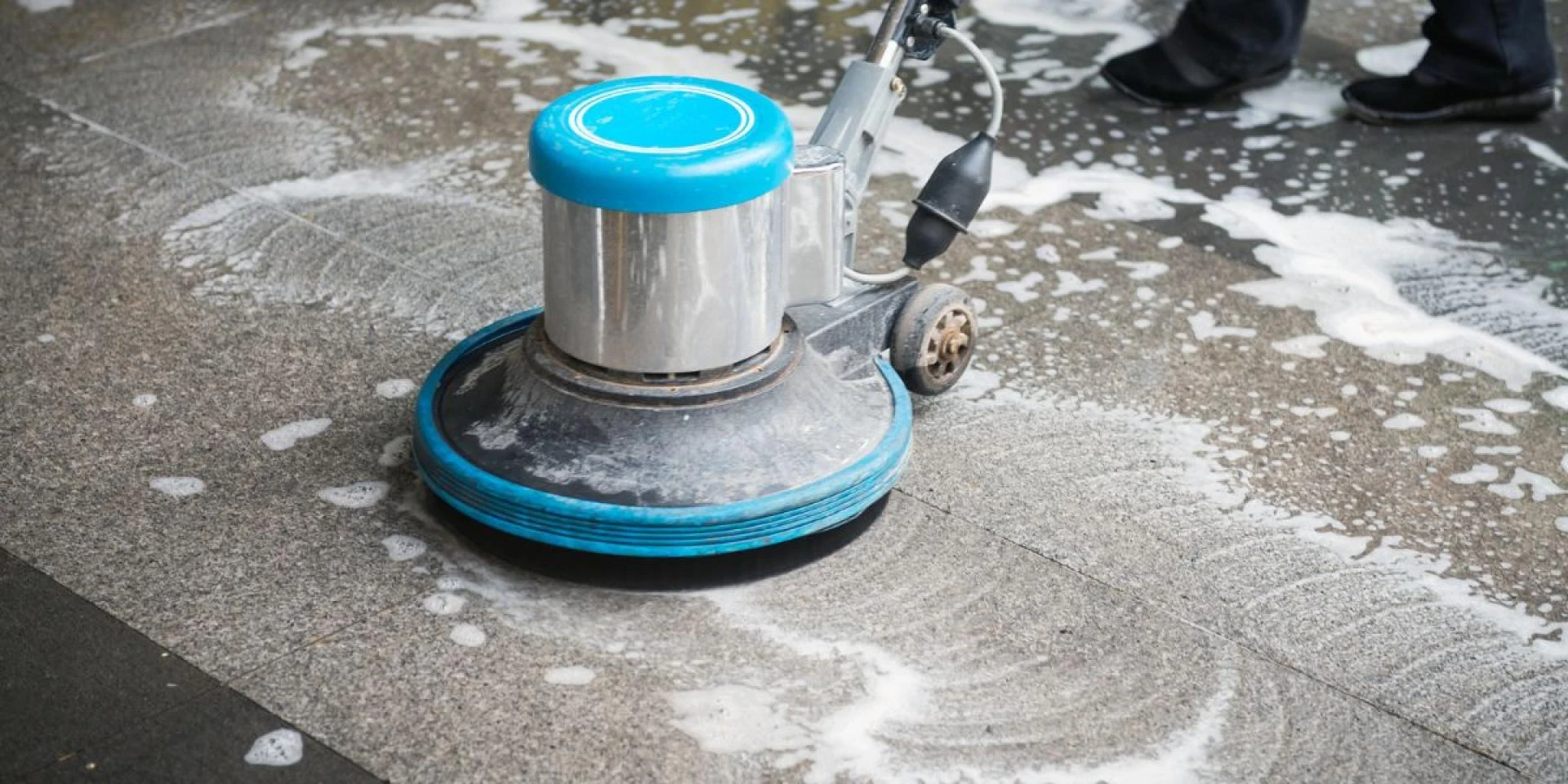
Professionals don’t mask dirt-they remove it. High-pressure extraction pulls contaminants out of grout instead of pushing them deeper.
Safe, Balanced Solutions
Professional-grade cleaners are designed to clean without destroying grout structure. That balance is something store shelves don’t offer.
A Genuine Recommendation from Personal Experience
When I finally wanted results that lasted, I looked for a company that treated floors as a system, not isolated problems.
That’s how I came across Urban Floors.
They’re known for professional carpet cleaning services, but what impressed me was how they explained the connection between tile, grout, and carpet hygiene. They don’t rely on harsh shortcuts. They focus on removal, protection, and long-term results.
How to Avoid Making Tile Worse in the Future
Once I stopped using aggressive store-bought cleaners, maintenance became easier.
Smarter Tile Care Habits
- Use neutral pH cleaners.
- Avoid daily chemical use.
- Seal grout periodically
- Dry floors after heavy moisture
These small changes protect grout and reduce buildup.
For Renters, Property Managers, and Small Businesses
Store-bought cleaners are tempting because they’re quick. But long-term damage leads to:
- Higher restoration costs
- Faster floor replacement
- Tenant complaints
Professional tile floor cleaning between tenants or on a routine schedule saves money in the long run.
Final Thoughts
Store-bought tile cleaners don’t fail because you’re using them wrong. They fail because they’re designed for speed, not longevity.
Once I understood how residue, moisture, and grout interact, everything made sense. My floors weren’t stubborn-they were reacting to years of the wrong approach.
If the tile keeps looking worse no matter how often you clean it, the solution isn’t another bottle. It’s a different strategy.
And once you make that shift, your floors finally start working with you instead of against you.