
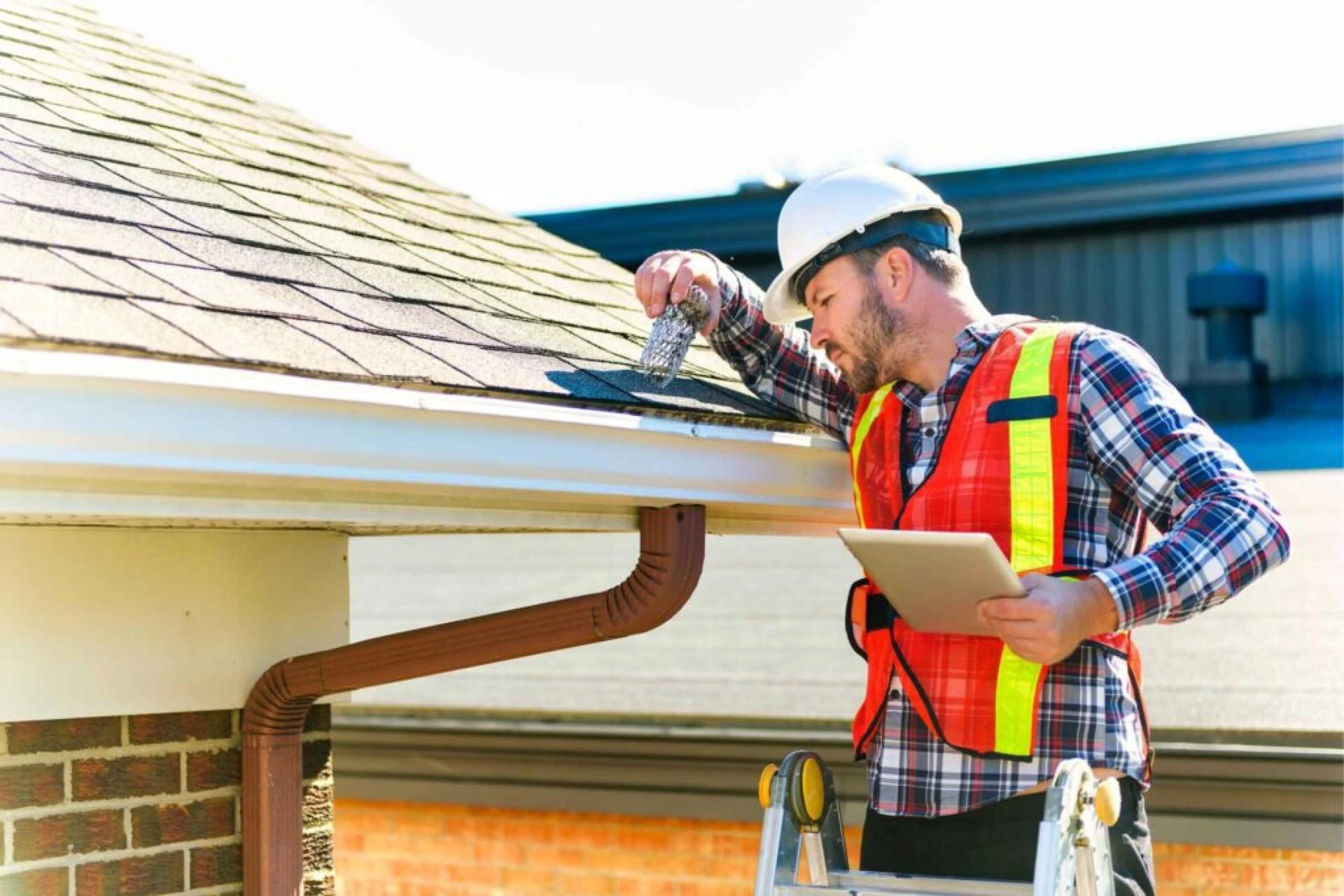
A well-maintained roof is one of the most important components of a safe and efficient home. Yet many homeowners overlook the importance of seasonal roof inspections until a leak, draft, or visible damage forces them to take action. While a roof should ideally be checked at least twice a year, the timing of these inspections greatly affects their effectiveness. Spring and fall stand out as the ideal seasons for evaluating your roof’s condition, preventing costly damage, and planning ahead for necessary maintenance. Whether you are concerned about aging shingles, storm impacts, or the overall longevity of your roofing system, understanding why these two seasons matter can save you money and stress over the long term.
The Benefits of Spring Roof Inspections
After winter’s harsh conditions, spring provides the perfect opportunity to assess the toll that cold temperatures, snow, and ice may have taken on your roof. Winter often exposes roofing systems to repeated freeze-thaw cycles, heavy moisture, and strong winds. These factors can loosen shingles, damage flashing, clog gutters, or allow moisture to seep beneath protective layers. By the time temperatures begin to warm, any unnoticed damage could develop into leaks or structural issues if not addressed promptly.
Spring inspections allow professionals to identify winter-related wear before heavy spring rains arrive. This timing is crucial because even small vulnerabilities can become major problems once exposed to sustained moisture. Catching these issues early enables homeowners to arrange timely repairs and reinforces the roof’s ability to handle incoming seasonal weather. Additionally, spring is an excellent time for homeowners to plan improvements, from replacing damaged shingles to upgrading ventilation systems. The milder temperatures also make it easier for roofing contractors to work efficiently and safely, ensuring repairs are completed with high-quality results.
Why Fall Roof Inspections Are Equally Important
Just as spring prepares your home for the rainy season, fall inspections prepare your roof for winter. As temperatures cool and leaves begin to fall, your roofing system faces a new series of challenges. Leaves and debris can accumulate in gutters, preventing proper drainage and increasing the risk of water pooling on the roof. If left unaddressed, this buildup may lead to mold, rot, or ice dams during winter.
Conducting an inspection in the fall gives you the chance to clear debris, ensure gutters are functioning properly, and address any lingering issues from summer storms. Because winter weather can be harsh and unpredictable, spotting potential weak points—such as damaged flashing, worn shingles, or insufficient insulation—helps prevent unexpected and costly emergencies. With daylight hours shorter and temperatures dropping, completing necessary maintenance during the fall reduces the risk of roof-related problems that would be far more difficult to handle in the winter months.
Ideal Weather for Roofing Work
Both spring and fall offer moderate temperatures, making them the safest and most practical seasons for roofing inspections and repairs. Extreme heat in the summer can cause shingles to soften, making them susceptible to damage during routine inspections. Likewise, cold winter temperatures can make roofing materials brittle and difficult to work with. Mild weather conditions in spring and fall also provide roofing specialists with the stability they need to inspect all areas of the roof thoroughly, from the shingles to the ventilation and drainage systems. The result is a more accurate assessment and better long-term results from any maintenance performed.
Extending the Life of Your Roof
Routine roof inspections twice a year can significantly extend the life of your roofing system. Most roofs are designed to last between 20 and 30 years, but only with consistent upkeep. Spring and fall inspections help catch issues early, before they escalate into expensive repairs or premature replacement. Over time, this proactive approach can save homeowners thousands of pounds. Detecting and addressing minor problems—such as small leaks, cracked shingles, or blocked gutters—can prevent serious structural damage that affects not only the roof but also the interior of the home.
Supporting Local Roof Maintenance Needs
Homeowners often have region-specific concerns depending on weather patterns, building styles, and local roofing materials. Whether dealing with older character properties or modern homes, seasonal inspections benefit every type of structure. Many residents seeking roof repairs kensington rely on seasonal checks to protect homes from urban pollution and heavy rainfall. Likewise, those needing roof repairs redhill often face strong winds and variable weather, making spring and fall inspections essential for identifying storm-related damage. Homeowners considering roof repairs tunbridge wells frequently benefit from inspecting their roofs for moss growth and moisture issues common in the area’s leafy surroundings. In each of these regions, seasonal maintenance ensures that homes remain well-protected throughout the year.
Conclusion
Spring and fall are unquestionably the best times for roof inspections. These seasons offer ideal weather conditions, allow homeowners to address damage from the harshest months, and help prepare the roof for upcoming seasonal challenges. By scheduling inspections during these optimal windows, you can extend your roof’s lifespan, enhance its performance, and prevent costly emergency repairs. A proactive approach to roof care ensures that your home stays safe, energy-efficient, and structurally sound all year long.
If it’s been more than six months since your last inspection, consider scheduling one this upcoming spring or fall. A small investment in routine maintenance today can protect your home from major roofing issues in the future.
Also Prefer our Other Article :
https://colewalter.livepositively.com/the-real-cost-of-refurbishing-a-property-in-the-uk-in-2025/