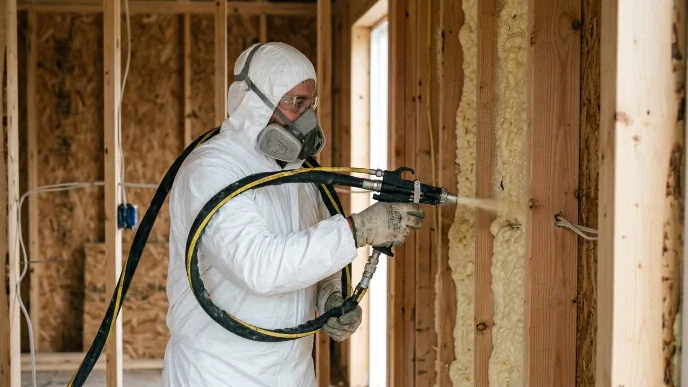
Spray foam insulation Issaquah, WA provides the only total solution for high-wind air infiltration because it expands to fill every crack and gap, creating a custom airtight seal that traditional materials cannot match. Unlike fiberglass or cellulose, it adheres directly to the building structure, ensuring that wind cannot force its way through the building envelope during the intense storms.
This article details why this specific material is required for local homes and how it maintains a stable indoor environment regardless of the weather outside. With years of field experience in regional weather patterns, the following data explains why air sealing is the most effective way to protect a property from the elements.
How Wind Pressure Forces Air Through Standard Walls
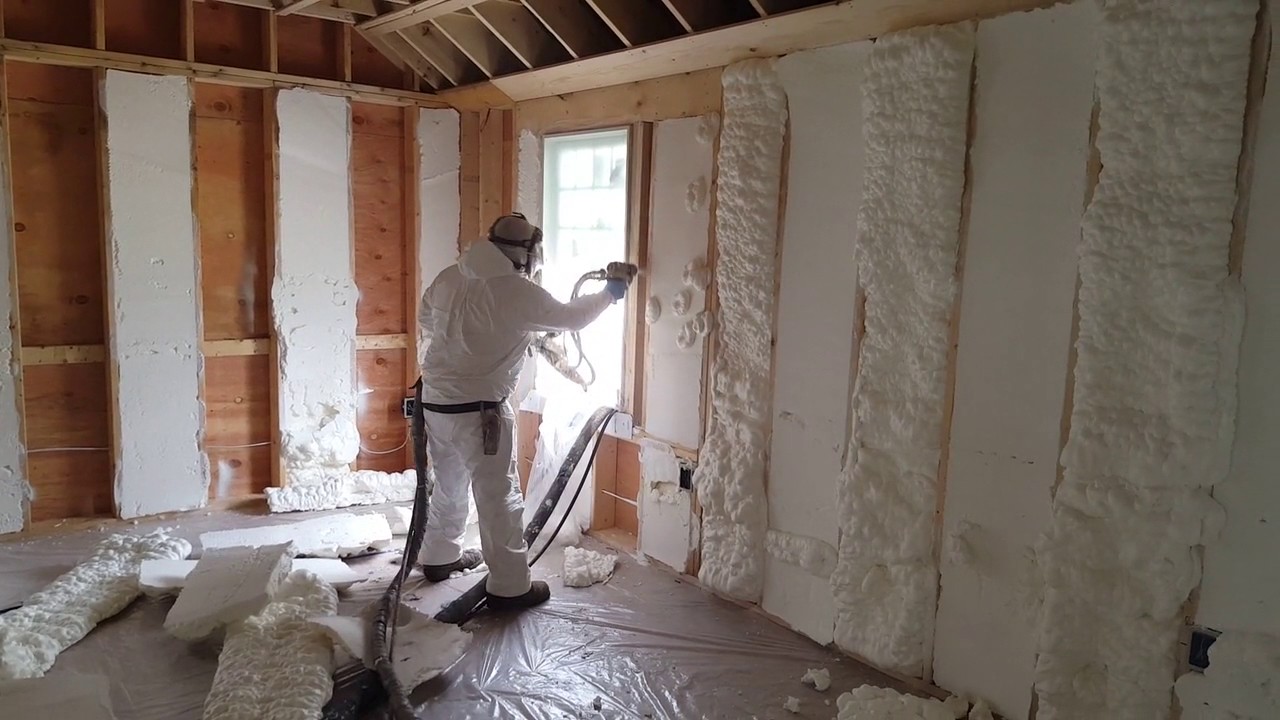
High winds create a pressure difference between the interior and exterior of your home. When gusts hit a building in Issaquah, they push cold air into any small opening. Traditional batts often sag or leave small gaps at the edges, which act like tunnels for fast-moving air.
Even a tiny gap can let in a significant amount of drafty air when wind speeds pick up. This movement of air carries moisture and cold temperatures directly into your living spaces. Because the pressure is so high during storms, only a material that bonds to the substrate can resist being bypassed by the wind.
Why Air Sealing Insulation Beats Traditional Materials
Most people think of R-value as the only metric for warmth, but air movement can negate a high R-value quickly. If wind can blow through the material, the thermal resistance doesn't matter much. This is where air sealing insulation changes the game for local homeowners.
- It stops convection loops within wall cavities.
- It prevents the "wind washing" effect, where air strips heat from the top of the insulation.
- It creates a rigid barrier that adds a small amount of structural strength to the wall.
- It eliminates the need for separate house wraps or vapor barriers in many cases.
The Power Of Closed Cell Spray Foam In Storm Conditions
When dealing with the highest wind speeds, closed-cell spray foam is the gold standard. This material is much denser than its open-cell counterpart. It contains trapped gas that slows down heat transfer even further and becomes as hard as a rock once cured.

Bonus Tip: If you live in an area of Issaquah prone to high gusts, such as near the Highlands or the base of the mountains, using a denser foam on the windward side of the house can significantly reduce those "phantom drafts" you feel near outlets and baseboards.
Finding Qualified Spray Foam Insulation Contractors
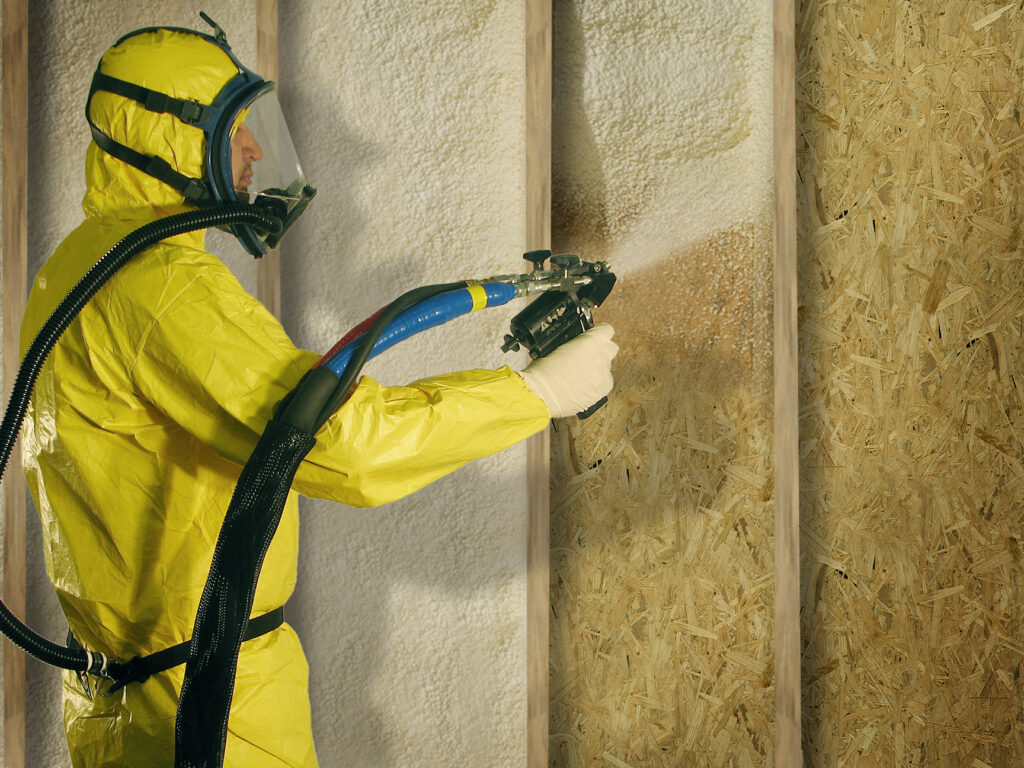
The success of this material depends heavily on the skill of the people applying it. You need spray foam insulation contractors who understand the specific mix ratios and temperature requirements for the Washington climate. If the foam is applied too cold or too fast, it may not adhere properly to the wood or masonry.
Professional teams use specialized equipment to monitor the chemical reaction in real-time. They ensure the foam expands fully into the "rim joists" and "top plates," which are the most common spots where high-wind air infiltration occurs.
Critical Factors To Weigh Before Choosing An Insulation Method
Before you decide on an upgrade, you should look at the age and current state of your building. Newer homes have different requirements than the historic structures found in older parts of town.
- Current Ventilation Levels: Since foam makes a home very tight, you must ensure your HVAC system can still provide enough fresh air.
- Access to Cavities: Foam is easiest to install during a renovation or new build, though "slow pour" options exist for existing walls.
- Local Building Codes: Ensure your chosen material meets the latest Washington State energy codes for your specific zone.
- Long-Term Budget: While the initial cost is higher than blankets or blown-in fluff, the energy savings usually cover the difference in a few years.
Bonus Tip: Always ask for a thermal imaging report after the job is done. This allows you to see exactly where the air was leaking before and proves that the new seal is holding firm against the wind.
How Does Wind Affect Your Monthly Energy Bills
When wind enters your home, your furnace has to work twice as hard. It isn't just fighting the cold; it is fighting a constant supply of new, cold air that replaces the air you just paid to heat. By blocking the wind, you allow your heating system to run in shorter, more efficient cycles.
This reduction in "cycle time" extends the life of your furnace or heat pump. In a windy environment like the Issaquah Alps, the difference in utility costs between a leaky house and an airtight house can be as much as 30% to 40% during the peak of winter.
How To Prepare Your Property For A Professional Installation
To ensure the durable seal mentioned above, you should clear the areas where work will happen. This includes moving furniture away from exterior walls and clearing out the attic or crawlspace. The installers need a clean surface for the foam to stick. If there is dust, oil, or old debris on the wood, the seal might fail over time.
Most projects take about one to two days, depending on the size of the house. You will likely need to stay out of the house for 24 hours while the material finishes its off-gassing process. Once that time is up, the home is completely safe and much quieter.
The Practical Impact On Indoor Noise Levels
An often overlooked benefit of stopping air infiltration is the silence. Air carries sound. When you seal the gaps that let in the wind, you also seal the gaps that let in traffic noise or the sound of the wind howling through the trees. This creates a much more peaceful indoor environment.
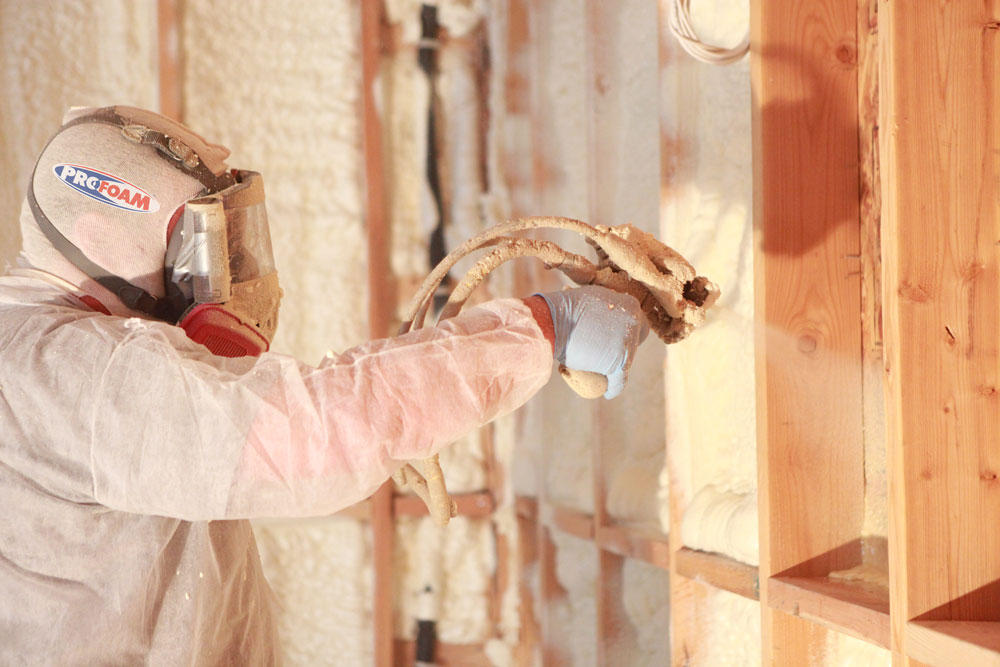
Working With Local Experts For Lasting Results
Choosing the right partner for your project ensures that the application is handled with care. Experts like Cascadia Spray Foam Insulation of Seattle have the local knowledge required to handle the humidity and temperature swings of the region. They focus on creating a durable seal that lasts for the life of the building.
If you are ready to stop the drafts and lower your bills, reaching out for a professional assessment is a smart move. You can contact them at (425) 386-3500 or send an email to [email protected] to discuss your specific needs. Their team provides a variety of options, from attic work to foundation protection, ensuring your entire home is protected. You can also find their office location via this map: https://maps.app.goo.gl/axDkdWYaW2QvbU1h9. Asking for a free quote is a great way to start your home improvement project without any initial pressure.
Summary Of Why Airtight Seals Matter
Stopping high-wind air infiltration is about more than just comfort; it is about protecting the integrity of your home and your finances. Spray foam is the only material that provides a permanent, physical barrier against the pressure of the wind. By choosing a high-quality application, you ensure that your home remains a sanctuary even when the Pacific Northwest weather is at its worst. Evaluate your current comfort levels and look for signs of drafts to decide if it is time for an upgrade.
Common Questions About Wind And Insulation
Does spray foam prevent moisture buildup during wind-driven rain?
Yes, especially closed-cell varieties. Since it creates a waterproof barrier, it prevents rain from being forced into the wall cavities by high winds, which protects your home from mold and rot.
Can I use foam in just one room that feels drafty?
You can, but it is most effective when applied to the entire "envelope" of the house. Sealing just one room might push the air pressure to find a different weak point in another part of the home.
Is the material safe for older homes in the area?
It is safe as long as the structure is sound. In fact, it can often help stabilize older walls that have become slightly loose over the decades by bonding the materials together.
How long does the air seal actually last?
The seal is designed to last the lifetime of the building. Unlike fiberglass, it does not settle, sag, or degrade over time, meaning you won't have to redo the job in ten years.
Does this help with cooling in the summer, too?
Absolutely. Just as it keeps cold wind out in the winter, it keeps hot, humid air out during our increasingly warm summers, making your air conditioning much more effective.