South Indian jewelry holds a timeless charm that transcends trends, fashion seasons, and even generations. It is not just about ornate designs and heavy gold – it’s a cultural legacy deeply rooted in tradition, art, and devotion. From temple-inspired motifs to royal heirlooms passed down through centuries, every piece tells a story.
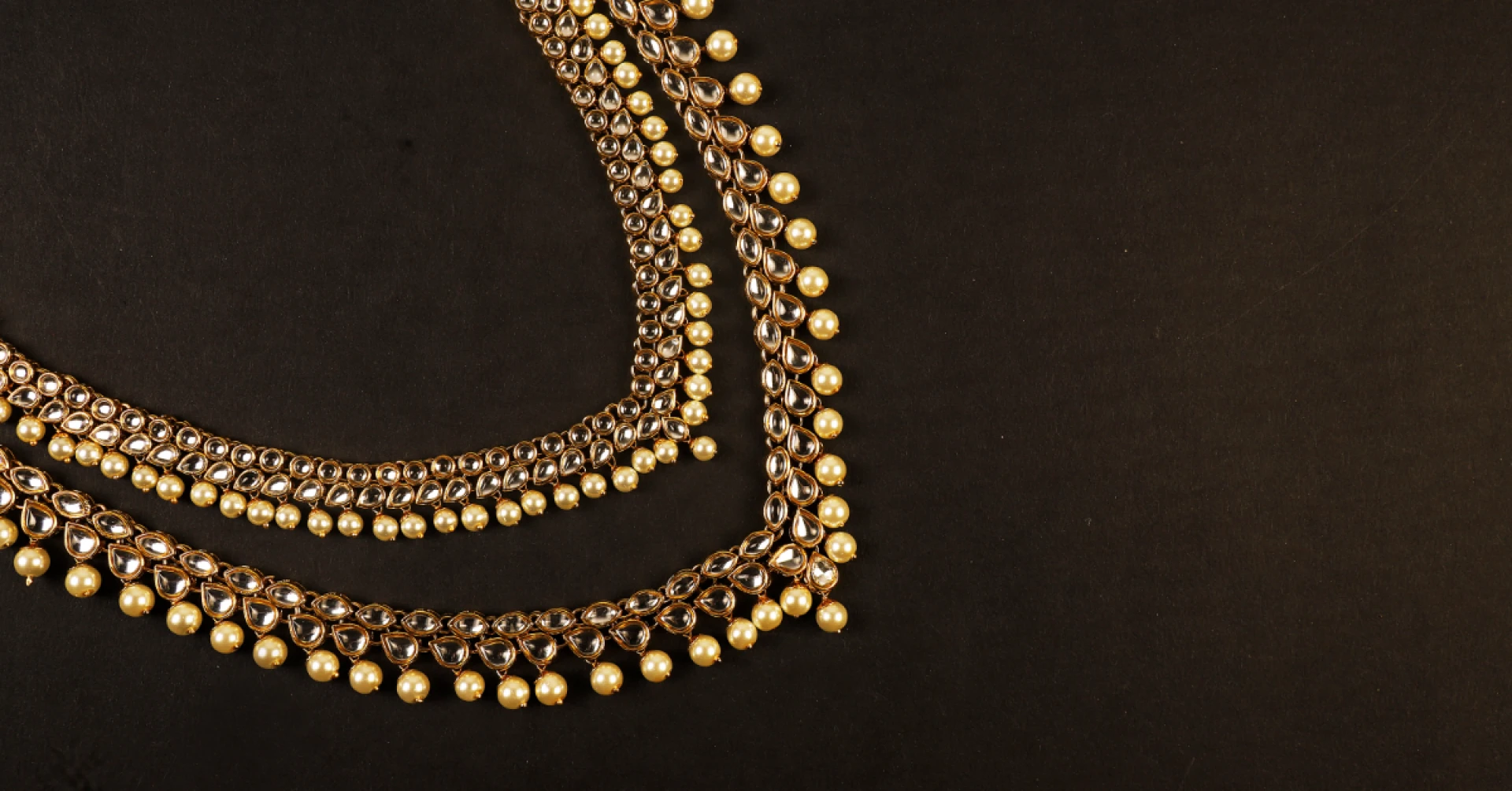
Whether worn for weddings, festivals, or religious ceremonies, South Indian jewelry is a celebration of history, spirituality, and regional pride. One of the most admired elements in a traditional bridal trousseau is the long haram, a layered gold necklace that beautifully complements the grandeur of South Indian attire. With its detailed craftsmanship and spiritual symbolism, South Indian jewelry continues to shine in modern times while preserving its ancient roots.
Rich Cultural Heritage and Symbolism
The uniqueness of South Indian jewelry lies in its intricate detailing, symbolic motifs, and regional diversity. Each state—be it Tamil Nadu, Kerala, Karnataka, or Andhra Pradesh—boasts its own traditional styles, yet all share the core elements of grandeur and meaning. The jewelry is typically crafted in 22k gold, reflecting purity and richness. Many pieces also incorporate gemstones, pearls, or antique finishes to enhance their appeal.
Temple Jewelry: Divine Inspiration in Every Piece
Temple jewelry is one of the most iconic styles in South Indian adornment. Initially designed for deities in temples, these pieces gradually made their way into classical dance and bridal fashion. They are easily identified by divine motifs like Lakshmi, peacocks, and elephants. These sacred symbols are believed to bring blessings and protection to the wearer. Wearing temple jewelry is not just about aesthetics; it connects one to divine heritage and ancient beliefs.
Layering Tradition: The Signature South Indian Look
South Indian tradition encourages multiple layers of ornaments—from chokers and harams to vaddanams (waist belts) and maang tikkas (forehead pieces). This multi-layered approach creates a regal look that defines the South Indian bridal ensemble. The heavier and more intricate the jewelry, the more it is admired for its craftsmanship and value. It’s not unusual for brides to wear five or more types of necklaces in a single ceremony.
Skilled Craftsmanship Passed Through Generations
South Indian goldsmiths are masters of their craft. These artisans follow age-old techniques, many of which have been handed down through generations. Their skill is visible in the fine engravings, delicate filigree, and traditional patterns that make each piece a work of art. These jewelry makers often spend weeks, if not months, creating a single necklace or bangle. The time and dedication invested in each ornament make it truly special.
Nature and Mythology in Design
Every piece of South Indian jewelry carries cultural significance. The designs are inspired by nature, deities, and folklore. The lotus symbolizes purity and enlightenment, while the peacock represents beauty and grace. Wearing such pieces is about honoring heritage and channeling traditional values, especially during important life events such as weddings or religious functions.
South Indian Jewelry in Modern Fashion
In recent years, South Indian jewelry has gained popularity beyond the southern states. Fashion designers, Bollywood celebrities, and even international icons have showcased these traditional pieces on runways and red carpets. Whether paired with a Kanjeevaram saree or even a fusion outfit, South Indian jewelry adds unmatched richness and charm.
Signature Pieces that Define the Region
Among the many types of ornaments, the kasu mala (coin necklace), jhumkas (bell-shaped earrings), and oddiyanam (waist belt) are particularly admired for their distinctive look. The kasu mala features gold coins with engravings of goddess Lakshmi, representing wealth and blessings. Jhumkas are known for their traditional bell shape, while vanki (armlets) add a unique touch to festive outfits.
Antique Finishes and Vintage Appeal
Another notable style is antique finish jewelry that mimics the look of heirloom pieces. These are highly popular among brides who want a vintage touch. The oxidized gold, dull polish, and uncut stones give the ornaments a royal, timeless feel. Antique jewelry pairs especially well with silk sarees and traditional hairstyles, adding elegance and depth to the overall look.
Heirlooms and Emotional Value
Customization and emotional value attached to South Indian jewelry make it irreplaceable. Many families invest in handcrafted sets that become part of their family legacy. These pieces are lovingly passed down from mothers to daughters, carrying memories, blessings, and cultural ties with them. Owning and wearing such jewelry becomes a matter of pride and honor.
Blending Traditional with Contemporary
Designers now blend traditional aesthetics with modern preferences, making it easier for younger generations to connect with these age-old styles. Minimalist versions of classic pieces, lightweight options, and innovative use of colored stones are making South Indian jewelry more versatile and wearable for all occasions.
A Timeless Piece: Mango Design Necklace Set
As we admire the brilliance of South Indian jewelry, one piece that continues to captivate women across generations is the mango design necklace set. Inspired by the mango fruit, which symbolizes fertility and prosperity, these necklaces are a staple in traditional weddings and festivals. The curved mango-shaped motifs are often studded with rubies, emeralds, or pearls, making them eye-catching and elegant. Worn close to the neck or as part of a multi-layered look, the mango necklace blends beauty with deep-rooted meaning.
Conclusion
South Indian jewelry is not just worn—it is celebrated. Its legacy, artistry, and emotional value make it truly special, a timeless expression of identity, tradition, and grace. Whether you're admiring a bride's ensemble or exploring your family’s old jewelry chest, every piece tells a story that deserves to be cherished.