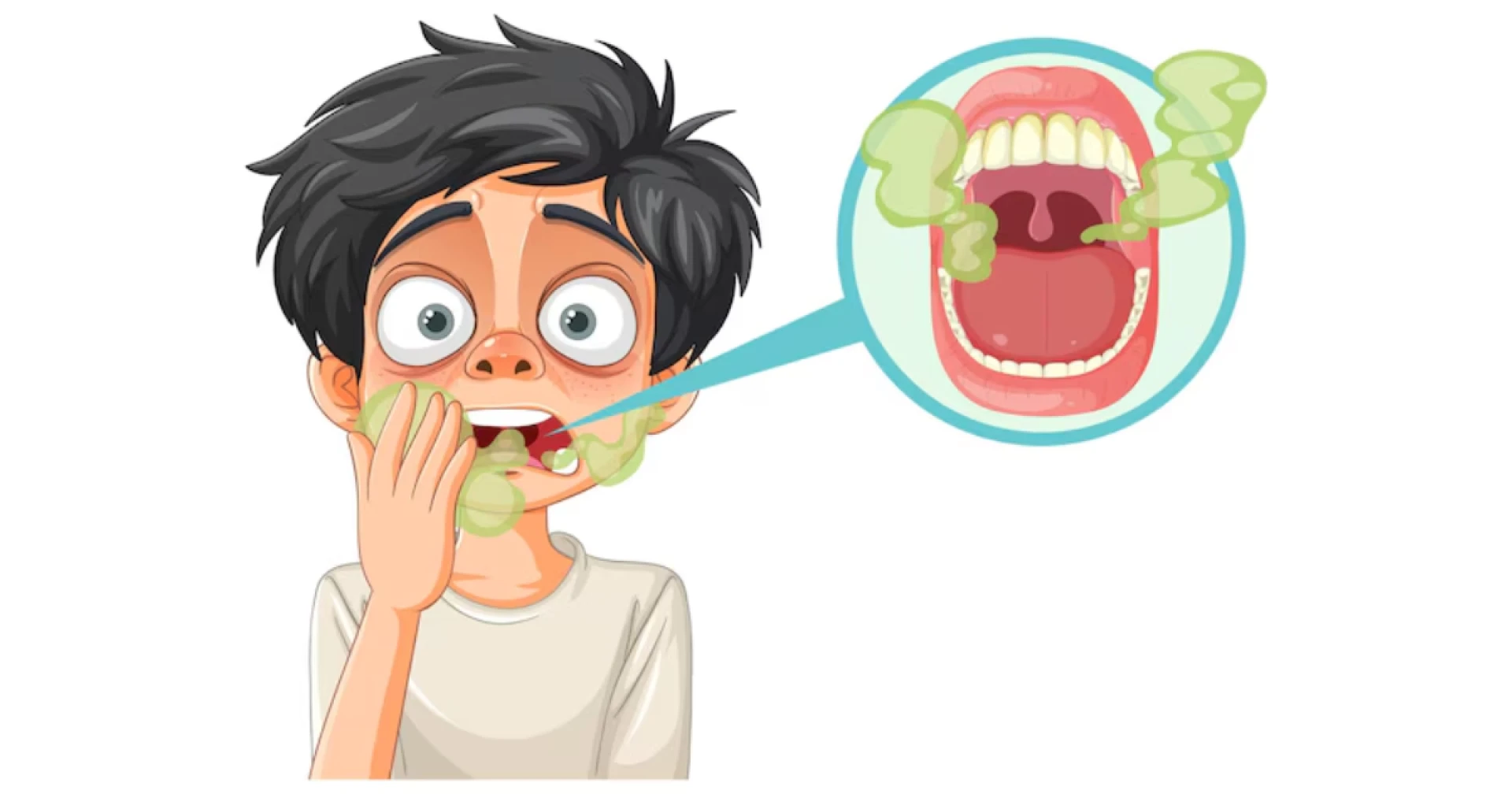
Bad breath in children can be surprising and concerning for parents. While occasional mouth odour is normal, persistent bad breath in children—also known as halitosis—often signals an underlying oral or health-related issue. Understanding the causes of bad breath in kids is essential for early intervention and long-term oral health.
This article explains why some children experience bad breath, common triggers to watch for, and how preventive dental care can help address the problem safely and effectively.
What Causes Bad Breath in Children?
Bad breath occurs when bacteria in the mouth produce sulphur compounds that create unpleasant odours. In children, this can happen for several reasons, ranging from oral hygiene habits to medical conditions.
Poor Oral Hygiene
The most common cause of bad breath in children is inadequate oral hygiene. When food particles remain in the mouth, bacteria break them down, leading to odour.
Common hygiene-related factors include:
- Infrequent brushing or flossing
- Skipping tongue cleaning
- Plaque buildup on teeth and gums
Children often miss hard-to-reach areas while brushing, allowing bacteria to thrive.
Dental Issues Linked to Bad Breath
Tooth Decay and Cavities
Cavities create spaces where bacteria accumulate. As decay progresses, it produces foul-smelling by-products that contribute to persistent bad breath.
Gum Inflammation
Early-stage gum disease, such as gingivitis, can also cause unpleasant mouth odour. Red, swollen, or bleeding gums are often signs that bacteria are present below the gum line.
Regular dental check-ups help detect these issues early, before they worsen.
Dry Mouth in Children
Saliva plays a crucial role in washing away bacteria and food debris. When a child experiences dry mouth, bacterial growth increases.
Dry mouth may occur due to:
- Mouth breathing
- Dehydration
- Certain medications
- Nasal congestion or allergies
Children who breathe through their mouth while sleeping are particularly prone to morning bad breath.
The Role of Diet in Children’s Bad Breath
Diet has a significant impact on oral odour. Foods high in sugar promote bacterial growth, increasing the risk of both bad breath and tooth decay.
Common dietary contributors include:
- Sugary snacks and drinks
- Sticky foods that cling to teeth
- Strong-smelling foods like onions or garlic
Encouraging water intake and balanced meals supports better oral health.
Tonsil Stones and Bad Breath
Some children develop tonsil stones, which are small deposits of debris trapped in the tonsils. These stones contain bacteria and produce a strong odour.
Signs of tonsil stones may include:
- Chronic bad breath
- Sore throat
- White or yellow particles at the back of the throat
If suspected, a dental or medical professional can advise on appropriate management.
Sinus and Respiratory Issues
Nasal and sinus infections can contribute to bad breath in children. Post-nasal drip allows bacteria-laden mucus to collect at the back of the throat, causing unpleasant smells.
Conditions such as:
- Sinus infections
- Allergies
- Chronic nasal congestion
may require medical evaluation if symptoms persist.
Why Bad Breath in Children Should Not Be Ignored
Persistent bad breath is not just a social concern—it can be an early warning sign of dental or health problems. Ignoring the issue may allow conditions like cavities or gum disease to progress unnoticed.
Professional dental assessments help identify:
- Hidden decay
- Early gum disease
- Oral hygiene issues
- Developmental concerns
Dental clinics such as Bradbury Dental Surgery emphasise preventive care and early detection to support healthy smiles in children.
How to Prevent Bad Breath in Children
Establish Consistent Oral Hygiene Habits
Parents should supervise brushing until children develop proper technique. Effective habits include:
- Brushing twice daily with fluoride toothpaste
- Flossing once a day
- Gently cleaning the tongue
Encourage Hydration
Drinking water throughout the day helps maintain saliva flow and reduce bacterial buildup.
Schedule Regular Dental Visits
Routine dental check-ups allow early identification of issues that may cause bad breath. Professional cleanings also remove plaque and tartar that brushing alone cannot eliminate.
When to See a Dentist
Parents should seek professional advice if bad breath:
- Persists despite good oral hygiene
- Is accompanied by pain, swelling, or bleeding gums
- Occurs alongside frequent infections or dry mouth
Early dental care can prevent small problems from becoming serious concerns.
Final Thoughts
Bad breath in children is common, but it should never be ignored when persistent. From poor oral hygiene and cavities to dry mouth and sinus issues, identifying the cause is the first step toward effective prevention and treatment.
By encouraging good daily habits and prioritising regular dental check-ups, parents can help ensure their children maintain fresh breath, healthy teeth, and confident smiles as they grow.