To most tech startups, the word "compliance" is like the ultimate groan-inducing term. It sounds like some form of bureaucratic hurdle-a "box-ticking" exercise that diverts resources away from product innovation. For modern B2B startups and SaaS founders, though, SOC 2 compliance is less about paperwork and more about a strategic business milestone.
As heralded by resources from E-Startup India, SOC 2 has become the go-to standard to prove that your company can be trusted with sensitive data. If your ambitions include closing enterprise deals or scaling internationally, learning about the realities of SOC 2 is no longer optional but a competitive necessity.
The Myth of the "One-Time Fix"
SOC 2 certification, one of the most misunderstood concepts for founders, is often perceived as a one-time achievement that is placed on a shelf and then forgotten. The reality is, it is a lifestyle for data.
There are two main levels:
- Type I: This is used for auditing the security posture of your systems at a particular point in time. This can be described as taking a "snapshot" of your systems.
- Type II: This is the true measure of maturity. It is the extent to which the above controls function, over time, generally for 3 to 12 months. Type I gets you the job; Type II is where you show that you practice what you preach.
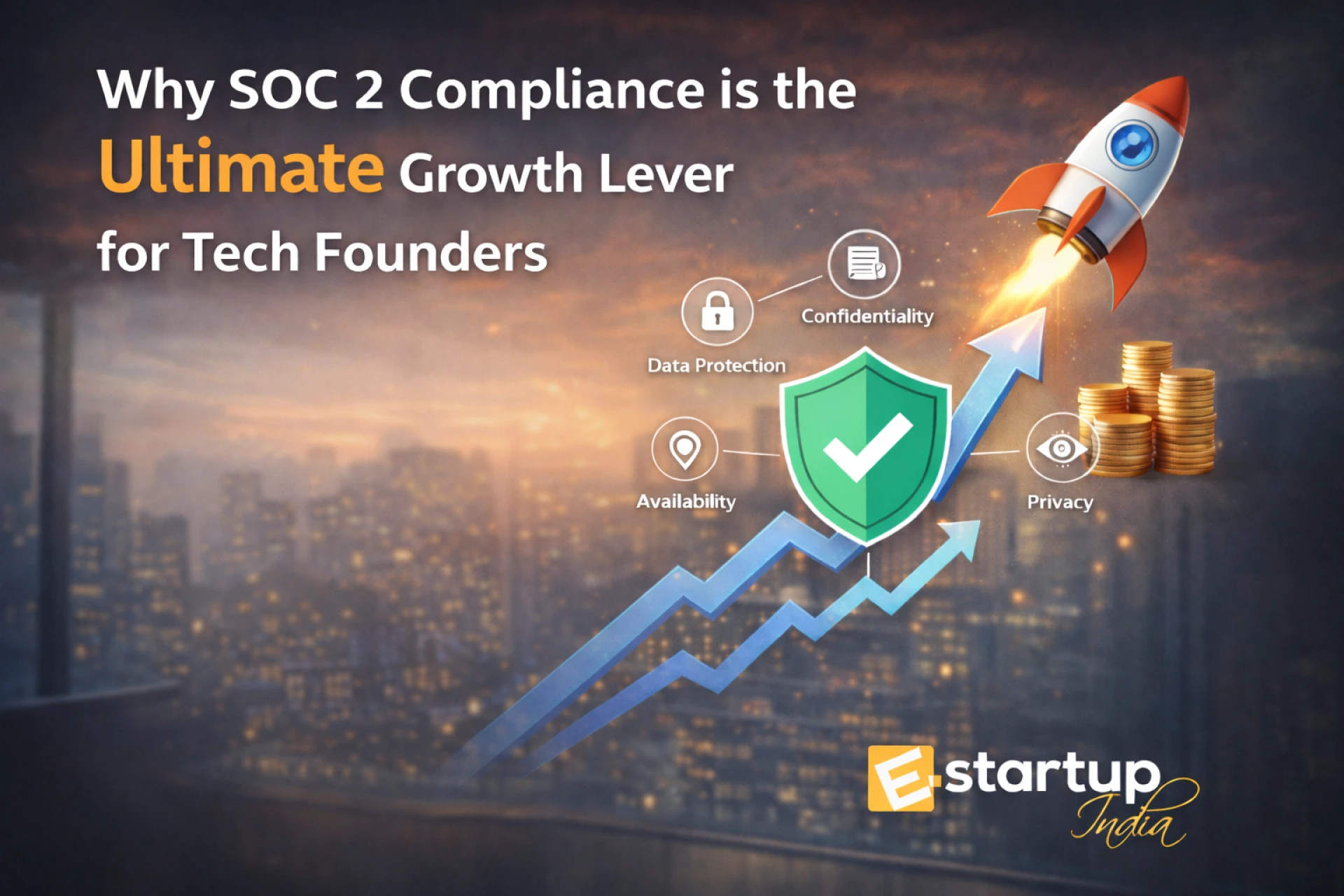
The Five Pillars: Trust Services Criteria (TSC)
SOC 2 is based upon five Trust Services Criteria. Though not all criteria are mandatory for security, startup owners should carefully consider which criteria to comply with according to their startup model:
- Security: Prevents unauthorized access.
- Availability: This aspect ensures that systems are up and running when the client requires them to be.
- Processing Integrity: Verifying data processing is correct and authorized.
- Confidentiality: Protecting data that is restricted to only certain individuals.
- Privacy: Refers to how personal information is stored, used, and discarded.
In a lean startup, it might be difficult to implement all five requirements simultaneously. The trick is to implement Security first, then implement other features based on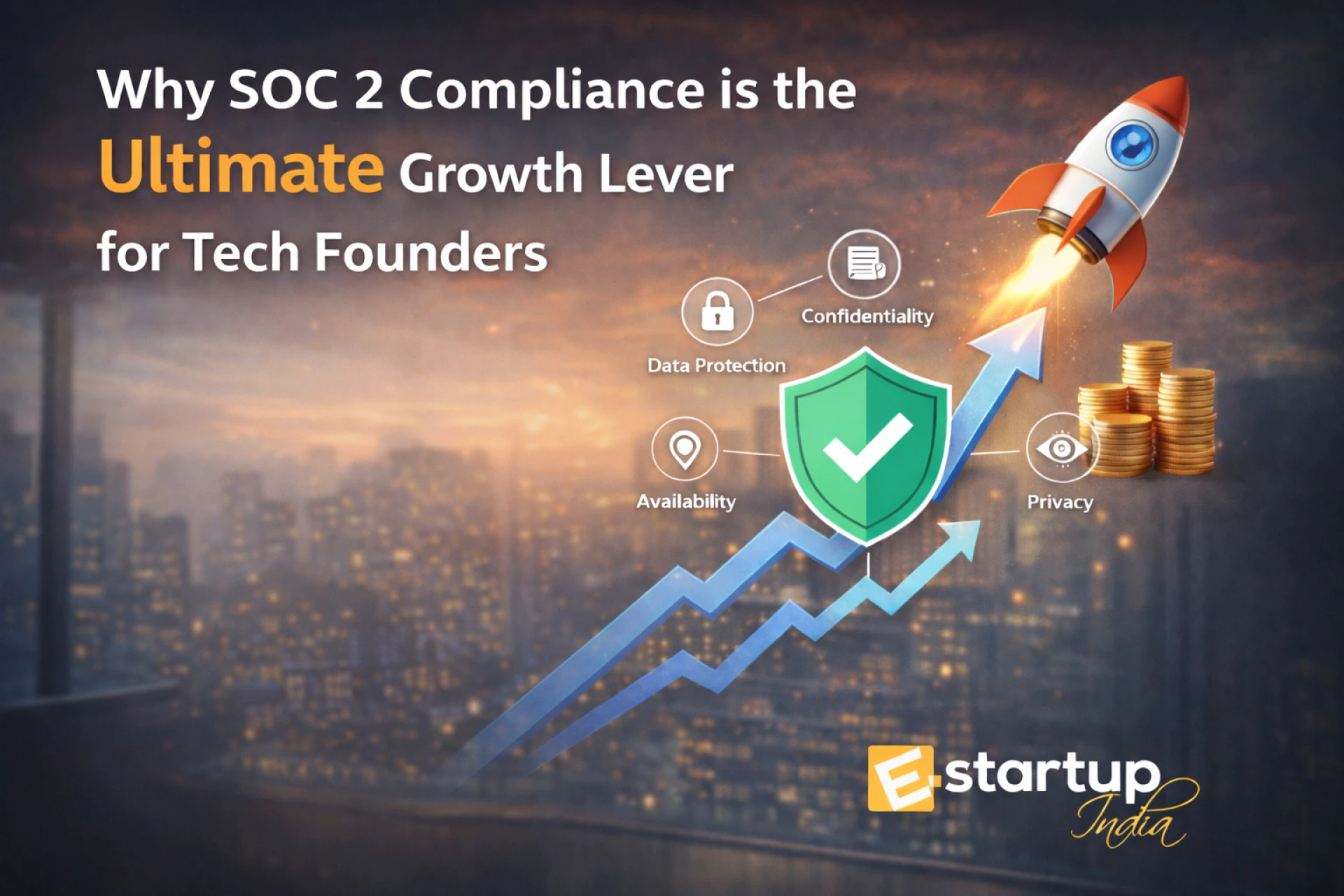 what your enterprise clients require.
A Practical Roadmap to Compliance
Getting compliance doesn’t necessarily entail a huge security team, though it does entail a plan. This will include:
- Gap Analysis: Check your current state of security against the requirements in the SOC 2 criteria. What are the gaps in access control or incident response?
- Remediation: Fill the gaps. It could mean starting two-factor authentication (MFA), setting up the joining/departing processes for employees, or hardening the cloud infrastructure.
- Evidence Collection: Auditors aren’t relying on your word alone. You have to have 'proof,' such as logs, signed policies, and screenshots, of your controls in action.
Why It Matters for Your Bottom Line
The return on investment in SOC 2 is sometimes realized in the sales cycle. The kind of enterprise client that would never even consider working with your company without a SOC 2 audit in place will simply not even consider you without that trust signal in place. It’s like having a letterhead that says you’re trustworthy.