Introduction: The Smile We Hide
Most people have, at some point, held back a smile. Maybe it was in a photo, during a job interview, or even just in conversation. That split-second hesitation — that instinct to cover your mouth or keep your lips pressed together — is more common than you might think. And it rarely has anything to do with your mood. More often than not, it comes down to how you feel about your teeth.
Dental imperfections are incredibly common. Stained, chipped, uneven, or missing teeth affect millions of people of all ages. Yet despite how widespread these issues are, many people quietly accept them as permanent, not realising that modern dental care offers practical, accessible solutions.
This blog explores the most common cosmetic dental concerns, why they happen, and how today's treatments can genuinely resolve them — not just mask them.
Common Smile Concerns People Live With (But Don't Have To)
1. Tooth Discolouration and Staining
One of the most frequently reported dental concerns is yellowing or staining of the teeth. This happens gradually and is driven by a variety of everyday factors:
- Diet: Coffee, tea, red wine, and certain berries contain chromogens — pigment-producing compounds that bind to tooth enamel over time.
- Tobacco use: Both smoking and chewing tobacco are among the most significant causes of deep, stubborn staining.
- Age: As we get older, the outer enamel layer thins naturally, revealing more of the yellowish dentin beneath.
- Medications: Certain antibiotics (particularly tetracycline) and antihistamines can cause intrinsic staining that originates from within the tooth structure itself.
Many people turn to over-the-counter whitening products hoping for quick results, only to find they are either ineffective for their type of staining or cause unwanted sensitivity. The core issue is that not all discolouration is the same — surface staining responds differently from intrinsic discolouration — and a one-size-fits-all approach rarely works well.
2. Chipped, Cracked, or Worn Teeth
Teeth can sustain damage in ways that aren't always dramatic. A small chip from biting down on something hard, gradual wear from teeth grinding (bruxism), or a hairline crack from an old sports injury — these are the kinds of issues people often dismiss as minor but can have real functional and aesthetic consequences over time.
Beyond appearance, chipped or cracked teeth can become sensitive, harbour bacteria in the fractures, and weaken the overall structure of the tooth if left unaddressed.
3. Gaps, Spacing, and Mild Misalignment
Not every gap or crooked tooth requires years of orthodontic treatment, but they can still impact how a person feels about their smile. Spacing issues between the front teeth are particularly visible and are often a source of self-consciousness, especially in professional or social settings.
4. Uneven Gum Lines
Sometimes the teeth themselves look fine, but an uneven gum line — where gums sit too high on some teeth and lower on others — creates the appearance of teeth that are different lengths or sizes. This is sometimes called a "gummy smile" when excess gum tissue shows prominently.
5. Missing Teeth
A missing tooth — whether from decay, injury, or extraction — affects far more than aesthetics. Over time, surrounding teeth can shift toward the gap, the jawbone beneath the missing tooth can begin to lose density, and bite mechanics can change. It is both a cosmetic concern and a functional one that tends to worsen if not addressed.
How Cosmetic Dentistry Addresses These Issues
The term "cosmetic dentistry" is sometimes misunderstood as purely superficial — a luxury for people who simply want a more attractive smile. In reality, many cosmetic dental procedures address genuine functional problems alongside their aesthetic benefits. Here is how specific treatments align with the concerns above:
Teeth Whitening — More Than a Surface Fix
Professional teeth whitening uses clinically tested bleaching agents at concentrations that are simply not available in over-the-counter products. A trained dental professional can also assess what type of discolouration you have before recommending a whitening approach — making the process both more effective and safer. For intrinsic staining that whitening cannot address, veneers may be a more appropriate solution.
Dental Veneers — Versatile and Long-Lasting
Porcelain veneers are thin, custom-fitted shells bonded to the front surface of teeth. They are one of the most versatile cosmetic treatments available because a single procedure can address multiple concerns at once — discolouration, chips, minor gaps, and uneven surfaces. With proper care, high-quality veneers can last a decade or more.
Dental Bonding — Quick and Effective for Minor Issues
Composite resin bonding involves applying a tooth-coloured material directly to the tooth to repair chips, close small gaps, or reshape a tooth's appearance. It is one of the least invasive cosmetic procedures available and can often be completed in a single appointment without anaesthesia.
Smile Makeovers — A Comprehensive Approach
For people dealing with multiple concerns simultaneously, a smile makeover brings together a combination of treatments planned as a cohesive whole. Rather than addressing issues in isolation, a smile makeover considers the overall harmony of your teeth, gums, and facial features — resulting in outcomes that look natural rather than piecemeal.
Orthodontics for Spacing and Alignment
Modern orthodontic options are far more discreet than they were a generation ago. Clear aligner systems have made it possible for adults to address mild to moderate alignment issues without the visibility of traditional metal braces. This has made orthodontic treatment a genuinely practical option for people who had written it off as something only for teenagers.
What to Expect From a Cosmetic Dental Consultation
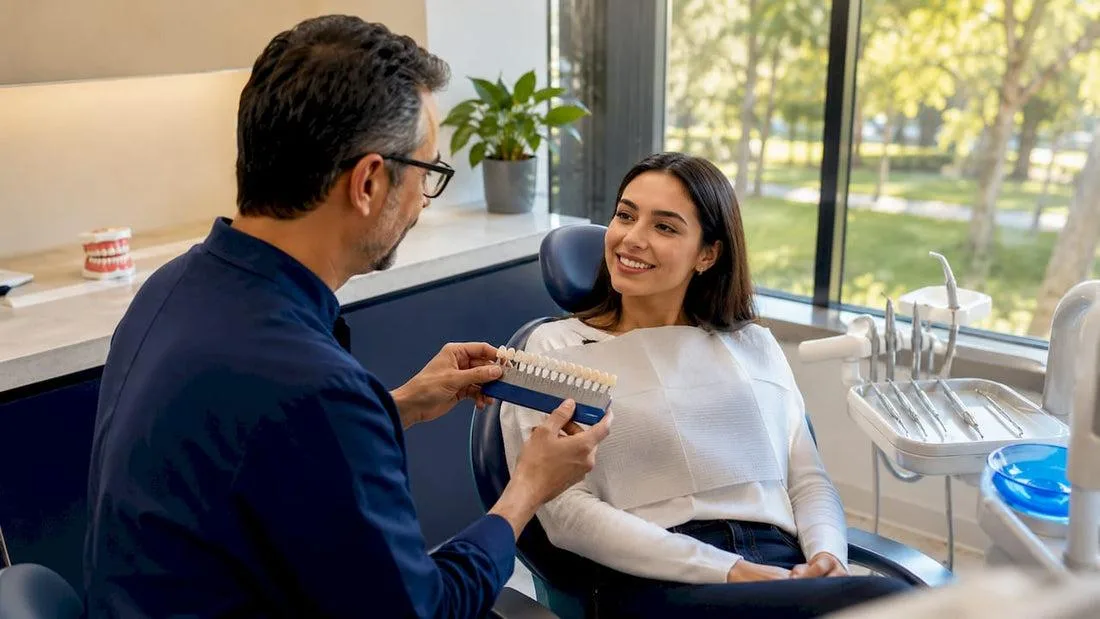
Many people put off exploring their options simply because they are unsure what the process involves. A cosmetic dental consultation is typically a straightforward conversation — your dentist will examine your teeth, listen to your concerns, and walk you through the treatments that are realistically appropriate for your situation.
There is no obligation to proceed with anything immediately. A good consultation gives you information, options, and a sense of what is achievable — with realistic expectations rather than promises that cannot be kept. Questions worth asking include:
- How long will results last, and what maintenance is required?
- Are there any functional benefits to the treatment alongside the cosmetic ones?
- What does the recovery or adjustment period look like?
- Are there alternative approaches that might suit my budget or timeline better?
Taking the First Step Toward a Smile You're Confident In
Living with a smile you feel uncertain about is rarely a conscious choice — it tends to happen gradually, as small insecurities accumulate into habits of hiding or holding back. The good news is that modern dentistry has made addressing these concerns far more accessible, less invasive, and more predictable in outcome than most people realise.
If you are based in Edmonton and have been quietly thinking about improving your smile, speaking with a dentist in Millwoods, Edmonton is a natural and low-pressure first step. At Millwoods Mainstreet Dental Office, the team offers a full range of cosmetic dentistry in Millwoods — from professional teeth whitening and veneers to complete smile makeovers — in a welcoming, patient-centred environment.
The goal is not to give you someone else's smile. It is to help you feel genuinely confident in your own.