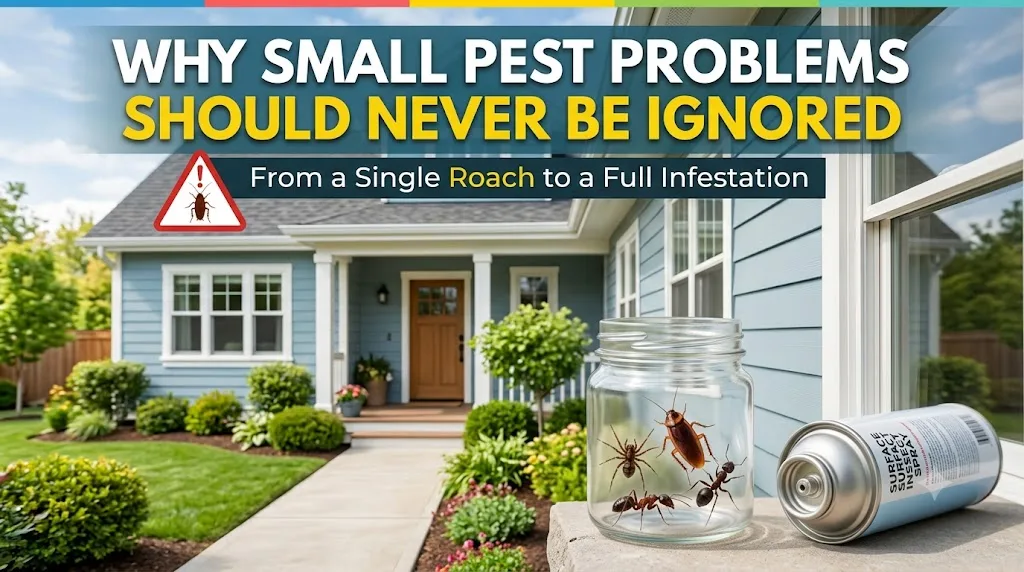
Most pest infestations do not begin with dozens of insects suddenly appearing throughout the home. They usually start with something much smaller: a few ants near the sink, one cockroach in the bathroom, scratching sounds above the ceiling, or a small amount of damage to food packaging.
Because the first signs seem minor, homeowners may assume the problem will disappear on its own. Unfortunately, pests rarely leave a property voluntarily once they have found reliable food, moisture, and shelter.
When pest activity continues or repeatedly returns, arranging professional pest control in Sydney can help determine what is causing the problem and whether an infestation has become established.
Responding early can make the issue easier to manage while reducing the risk of damage, contamination, and disruption around the home.
One Pest May Not Be the Only Pest
Seeing a single insect does not always confirm an infestation. A spider may enter through an open window, or an ant may wander inside while searching for food.
The concern begins when the same type of pest appears repeatedly.
Many household pests prefer dark and concealed areas. Cockroaches may hide behind appliances, rodents may nest in roof cavities, and ants may establish colonies outside the building while entering through small cracks.
This means homeowners often see only a small portion of the activity.
Warning signs of a developing infestation may include:
- Repeated sightings in the same area
- Activity in several rooms
- Droppings inside cupboards or garages
- Scratching sounds at night
- Damaged food packets
- Ant trails that return after cleaning
- Unusual or musty smells
- Insects appearing during daylight
- Nesting materials in storage spaces
- Damage to timber or household belongings
These signs should be investigated rather than treated as isolated incidents.
Cockroaches Can Remain Hidden for Long Periods
Cockroaches are among the most common pests found inside homes. They prefer warm, dark, and moist environments and are often active after the household becomes quiet at night.
Common hiding places include:
- Behind refrigerators
- Beneath ovens
- Around dishwashers
- Inside kitchen cabinetry
- Near plumbing pipes
- Around drains
- Under sinks
- Inside wall gaps
A homeowner may see only one or two cockroaches while many others remain concealed.
Daytime sightings can be particularly concerning because cockroaches generally prefer to move after dark. If they are appearing in open areas during the day, their hiding places may have become crowded.
Cleaning visible surfaces helps, but an infestation may continue when food residue and moisture remain beneath appliances or inside cupboards.
Rodent Sounds Should Be Investigated
Rodents often make their presence known through sound before they are seen.
Scratching, scurrying, or gnawing noises in walls and ceilings may indicate rats or mice moving through concealed sections of the property. These sounds are commonly noticed at night when the building is quieter.
Other signs may include:
- Small droppings
- Chewed packaging
- Grease marks along walls
- Shredded paper or insulation
- Strong odours
- Damage around doors or cupboards
- Pet behaviour focused on one area
Catching one rodent does not necessarily resolve the problem. Others may remain inside the property, and the original entry point may still be open.
Rodents can enter through surprisingly small spaces around rooflines, garage doors, plumbing pipes, and external vents.
Ant Trails Often Lead Back to a Larger Colony
Ants are commonly seen in kitchens, bathrooms, and outdoor entertaining areas.
They usually enter while searching for food or water. Once a worker ant finds a reliable source, it may create a trail that other ants follow.
Wiping the ants away may temporarily remove the visible activity, but the colony remains elsewhere. The trail may return later that day or within a few days.
Repeated ant problems may be linked to:
- Food crumbs inside cupboards
- Pet food left uncovered
- Moisture beneath sinks
- Cracks around windows
- Plants touching exterior walls
- Outdoor nests close to the building
- Sweet spills or drink residue
Different ant species may require different treatment methods. Applying a general spray without identifying the species may provide only temporary relief.
Termite Signs Require Prompt Attention
Termites are a serious concern because they can damage timber while remaining hidden.
Visible activity may appear only after termites have already entered structural materials.
Possible warning signs include:
- Mud-like tubes around walls or foundations
- Timber that sounds hollow
- Soft or damaged skirting boards
- Small piles of discarded wings
- Bubbling paint
- Doors or windows becoming difficult to close
- Thin or uneven timber surfaces
Suspected termite activity should not be disturbed. Breaking open damaged timber or applying household spray may cause termites to move into another area, making the infestation harder to assess.
A professional termite inspection is required to determine the location and extent of activity.
Why Pest Problems Grow Over Time
Pests remain in properties that give them the resources needed to survive.
A small plumbing leak can provide enough water for cockroaches and ants. Food residue beneath an appliance can support insects that remain hidden from normal cleaning.
Cluttered garages, roof spaces, and sheds can provide nesting areas where pests are rarely disturbed.
Pest numbers may increase when the property offers:
- Accessible food
- Standing water
- Warmth
- Dark hiding places
- Entry through structural gaps
- Undisturbed storage areas
- Nearby garden shelter
- Open household rubbish
Removing these conditions is an important part of controlling an infestation.
DIY Treatments May Address Only What You Can See
Supermarket sprays, traps, and baits can sometimes help with minor or isolated pest activity.
The problem is that these products are usually applied where pests are visible. The actual nest or harbourage area may be somewhere else.
For example:
- Spraying an ant trail may not reach the colony.
- Killing visible cockroaches may not affect hidden insects or egg cases.
- Catching one mouse does not close the entry point.
- Surface treatment may not reach pests behind walls.
- Using the wrong bait may produce limited results.
Some pests may also move into another part of the property after being disturbed.
When the problem repeatedly returns, this usually means that the source has not been removed.
What Professional Pest Control Involves
Professional pest management begins with an inspection rather than immediate treatment.
A technician may assess:
- Kitchens and bathrooms
- Laundries
- Cupboards
- Garages
- Roof cavities
- Subfloors
- Exterior walls
- Gardens
- Rubbish areas
- Plumbing points
- Doors and windows
- Storage spaces
The purpose is to identify the pest, locate likely nesting areas, and determine which conditions are allowing the activity to continue.
Treatment may then involve baits, gels, traps, dusts, or carefully targeted applications, depending on the species and property.
An experienced Sydney pest control company may also recommend practical maintenance changes to reduce the likelihood of pests returning.
Prevent Food From Becoming an Attraction
Food management is one of the most important parts of pest prevention.
Homeowners should:
- Store dry food in sealed containers.
- Clean spills immediately.
- Avoid leaving dirty dishes overnight.
- Empty kitchen bins regularly.
- Keep outdoor bins closed.
- Clean underneath large appliances.
- Remove overripe fruit.
- Check pantry packaging for damage.
- Store pet food securely.
- Clean barbecue areas after use.
Even a small amount of food can support pests when it remains available every night.
Rubbish and recycling should also be managed carefully. Drink containers and food packaging should be rinsed before being stored indoors.
Reduce Moisture Throughout the Property
Many pests depend on moisture.
Regularly inspect:
- Pipes beneath sinks
- Dishwasher and washing-machine connections
- Outdoor taps
- Hot-water systems
- Air-conditioning drainage
- Bathroom ventilation
- Roof gutters
- Garden drains
Leaking pipes should be repaired promptly. Damp cloths, sponges, and mops should be allowed to dry.
Outdoor containers that collect rainwater should be emptied, particularly during warmer months.
Moisture control helps prevent pests while also protecting the property from mould and water damage.
Seal Gaps and Maintain Outdoor Areas
Preventing pests from entering is often more effective than repeatedly treating them after they get inside.
Inspect for:
- Gaps beneath external doors
- Damaged window screens
- Cracks around pipes
- Loose vents
- Gaps around garage doors
- Damaged roof sections
- Cracks in brickwork
- Openings around cables
Suitable sealants, mesh, and door sweeps may close smaller gaps. Larger structural openings may require professional repairs.
Gardens should also be maintained. Trim vegetation away from exterior walls, cut branches back from the roof, and remove unnecessary clutter.
Firewood, cardboard, and garden waste should not be stored directly against the building.
Know When to Arrange an Inspection
Professional help should be considered when:
- Pests appear in multiple rooms.
- Cockroaches are visible during the day.
- Rodent noises continue at night.
- Droppings are repeatedly found.
- Ant trails keep returning.
- Food packaging is being damaged.
- There are possible signs of termites.
- DIY treatments have failed.
- The pest cannot be identified.
- The problem is affecting everyday routines.
Waiting for a small issue to become severe can lead to a more complicated treatment process.
Protect Your Home Before the Problem Spreads
Pest infestations are easier to manage when they are detected early.
Small warning signs should not create panic, but they should not be ignored. Repeated activity usually indicates that pests have found something they need inside or around the property.
Good cleaning, food storage, moisture control, and building maintenance can reduce the risk. However, established infestations often require professional inspection and targeted treatment.
By acting when the first consistent signs appear, homeowners can prevent a minor pest problem from becoming a costly and disruptive issue.