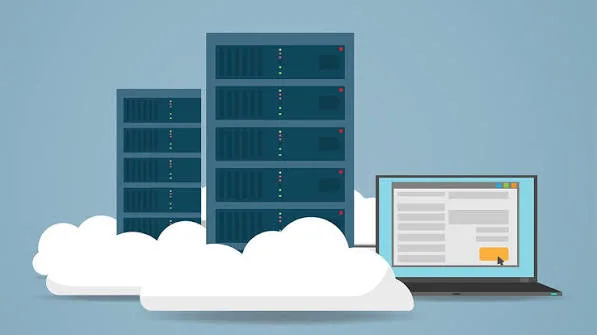
In today’s digital-first economy, virtually every business operation—from e-commerce transactions and internal communications to customer relationship databases and cloud-hosted applications—runs on servers.
Yet, for many organizations, servers are treated like plumbing: completely out of sight and out of mind until something breaks.
Neglecting your server infrastructure can lead to devastating consequences, including prolonged downtime, costly data breaches, and frustrated customers. Understanding why server management is critical for business is the key to safeguarding your revenue, protecting your reputation, and unlocking sustainable growth.
What Is Server Management?
Server management encompasses all the operational tasks required to keep physical or virtual servers running at peak performance, security, and reliability. This includes:
Whether you run an on-premise data closet, a fleet of Virtual Private Servers (VPS), or a complex multi-cloud environment, active server management ensures these systems operate smoothly 24/7.
5 Reasons Why Server Management Is Critical for Businesses
1. Eliminating Costly Downtime
Unplanned downtime is one of the most expensive operational risks a company faces. According to industry studies, an hour of enterprise server downtime can cost anywhere from tens of thousands to hundreds of thousands of dollars in lost sales, idle employees, and potential Service Level Agreement (SLA) penalties.
Proactive server management identifies warning signs—such as memory leaks, runaway background processes, or failing storage drives—before they cause an outright crash. Real-time monitoring allows administrators to resolve bottlenecks quietly in the background without interrupting your day-to-day operations.
2. Defending Against Cybersecurity Threats
Unmanaged servers are low-hanging fruit for cybercriminals. Automated botnets continuously scan the internet for unpatched operating systems, open ports, and outdated software libraries to deliver ransomware, install cryptominers, or harvest confidential records.
Effective server management establishes a robust security posture through:
A well-maintained server dramatically reduces your attack surface, ensuring sensitive customer records and proprietary business data stay protected.
3. Delivering Optimal Speed and User Experience
In digital business, speed directly impacts revenue. Studies consistently show that even a one-second delay in page load time can lead to a significant drop in conversion rates. Furthermore, search engines like Google incorporate site speed and responsiveness (Core Web Vitals) into their search ranking algorithms.
Server management directly optimizes this performance layer by:
When your servers are tuned properly, your websites and applications respond instantly, even during high-traffic sales events.
4. Ensuring Reliable Backups and Disaster Recovery
Hardware fails, natural disasters happen, and human error is inevitable. If your server was corrupted or compromised today, how quickly could your business recover?
Without dedicated server management, backups are often either forgotten, configured incorrectly, or never tested for restoration viability. A structured server management policy guarantees:
5. Enabling Seamless Scalability
As your business expands, so do your compute and storage demands. Without proper planning, an unexpected influx of customers can overwhelm your infrastructure, leading to slow load times and dropped sessions.
Server management provides regular capacity planning and infrastructure scaling. System administrators track resource usage trends over weeks and months, advising you on when to upgrade resources, deploy containerization (like Docker), or migrate to scalable cloud environments—ensuring your tech stack grows alongside your customer base without expensive over-provisioning.
In-House vs. Outsourced Server Management: Finding the Right Fit
Managing servers requires specialized technical expertise in Linux/Windows administration, network protocols, automation tools, and cybersecurity. For small-to-medium businesses, hiring a full-time, 24/7 internal SysOps team can be financially impractical.
This is why many forward-thinking businesses partner with Managed Service Providers (MSPs) or dedicated SysOps teams. Outsourcing server management gives you round-the-clock enterprise monitoring, rapid emergency response, and expert guidance at a fraction of the cost of building an in-house team.
Conclusion
Your servers are the digital foundation upon which your business operates. Treating server management as a strategic priority rather than an afterthought ensures maximum uptime, fortified security, lightning-fast customer experiences, and complete peace of mind.