
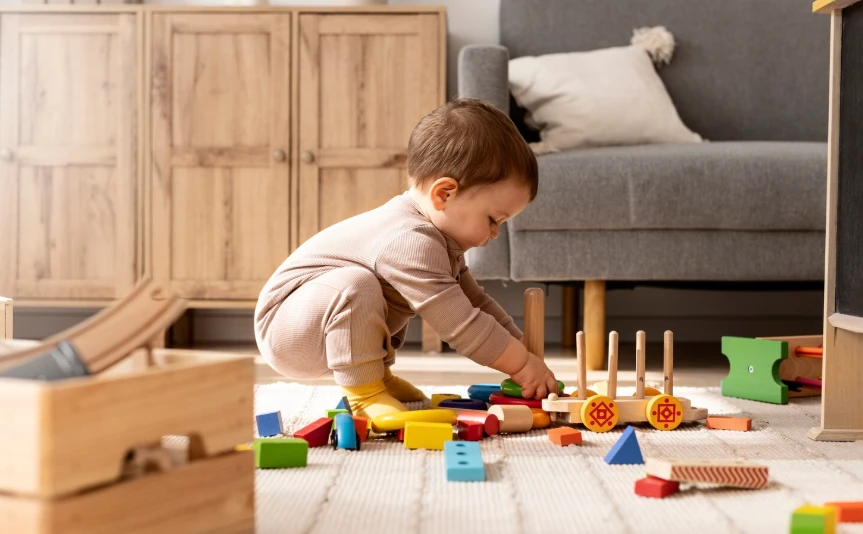
Sensory play is one of the most powerful ways young children learn about the world around them. From feeling different textures to hearing new sounds and exploring movement, sensory experiences help children make sense of their environment in a natural and joyful way. In preschool, sensory play is not just about having fun. It plays a vital role in supporting physical, emotional, social, and cognitive development during the early years.
Preschool is a time when children are curious, active, and eager to explore. Sensory play gives them the freedom to experiment, discover, and learn at their own pace while building essential skills that prepare them for future learning.
In a high quality Preschool in pinner, sensory play is thoughtfully planned and integrated into daily routines so children can explore safely and confidently. These experiences help children feel engaged, calm, and motivated to learn through hands on activities rather than passive instruction.
What Is Sensory Play
Sensory play includes activities that stimulate one or more of the senses. These activities encourage children to touch, see, hear, smell, move, and sometimes taste in a safe and controlled way. Sensory play can be simple or more structured depending on the age and needs of the child.
Examples of sensory play include
• Playing with sand, water, rice, or playdough
• Exploring textures like soft fabrics, rough surfaces, or smooth stones
• Listening to music, rhythm instruments, or nature sounds
• Painting, drawing, and working with different art materials
• Outdoor play involving climbing, balancing, and running
• Sensory trays with natural materials like leaves, shells, or seeds
Each activity helps children process information and understand their surroundings more clearly.
How Sensory Play Supports Brain Development
Young children learn best through experience. Sensory play helps build strong connections in the brain by allowing children to explore using multiple senses at the same time. When children scoop, pour, squeeze, or manipulate objects, they are strengthening neural pathways that support thinking, memory, and problem solving.
Sensory activities also support
• Early maths concepts like size, volume, and quantity
• Language development through descriptive words and conversation
• Creativity by encouraging imagination and exploration
• Focus and attention by engaging children in meaningful tasks
When children are actively involved in sensory experiences, learning becomes deeper and more memorable.
Supporting Physical Development Through Sensory Play
Sensory play is closely linked to physical development, especially fine and gross motor skills. Activities that involve pouring, pinching, rolling, or threading help strengthen small muscles in the hands and fingers. These skills are essential for later tasks like writing, drawing, and using tools.
Movement based sensory play supports
• Balance and coordination
• Body awareness
• Strength and control
• Confidence in physical abilities
Outdoor sensory play such as climbing, digging, and exploring different surfaces allows children to develop physical skills while enjoying fresh air and freedom of movement.
Emotional and Social Benefits of Sensory Play
Sensory play is also incredibly important for emotional wellbeing. Many children find sensory activities calming and grounding. Playing with water, sand, or dough can help children relax, especially if they feel overwhelmed or anxious.
Emotional and social benefits include
• Improved self regulation
• Better ability to manage big feelings
• Increased confidence and independence
• Opportunities for cooperative play and sharing
• Stronger communication skills
When children play together in sensory activities, they learn how to take turns, express ideas, and work as part of a group. These social skills are essential for preschool and beyond.
Sensory Play and Language Development
During sensory play, children naturally talk about what they are doing. They describe textures, colours, sounds, and actions. This rich vocabulary building happens naturally when adults engage in conversation and ask open ended questions.
Sensory play supports language by
• Introducing new descriptive words
• Encouraging questions and curiosity
• Supporting storytelling and imaginative play
• Helping children express feelings and ideas
Preschool educators play a key role by modelling language and gently guiding conversations during play.
Encouraging Independence and Confidence
Sensory play allows children to make choices and explore independently. There is no right or wrong way to play, which gives children the freedom to experiment and learn from experience. This builds confidence and a positive attitude towards learning.
Children learn to
• Trust their own ideas
• Solve simple problems
• Make decisions
• Take responsibility for their play
These skills help children feel capable and motivated in the preschool environment.
How Sensory Play Is Used in Preschool Settings
In a well planned preschool environment, sensory play is part of the daily routine rather than an occasional activity. Educators carefully prepare activities that match the developmental stage of each child and ensure the environment is safe and engaging.
Sensory play may be offered through
• Dedicated sensory areas or trays
• Outdoor exploration and nature play
• Art and creative stations
• Practical life activities like pouring and sorting
• Music and movement sessions
By offering a variety of sensory experiences, preschool settings support different learning styles and individual needs.
Sensory play is a vital part of early childhood education. It supports brain development, physical growth, emotional wellbeing, social skills, and language learning in a natural and enjoyable way. Through sensory experiences, children learn to explore the world with curiosity, confidence, and joy.