A clothing design may look complete in a sketch, but it cannot show exactly how the finished garment will fit, move, stretch, or perform. Working with an experienced apparel sample development partner allows fashion brands to test these important details before committing to bulk production.
Sample development converts a design into a physical garment that can be reviewed and improved. It helps brands identify fitting, fabric, construction, and measurement problems while corrections are still manageable.
What Is Clothing Sample Development?
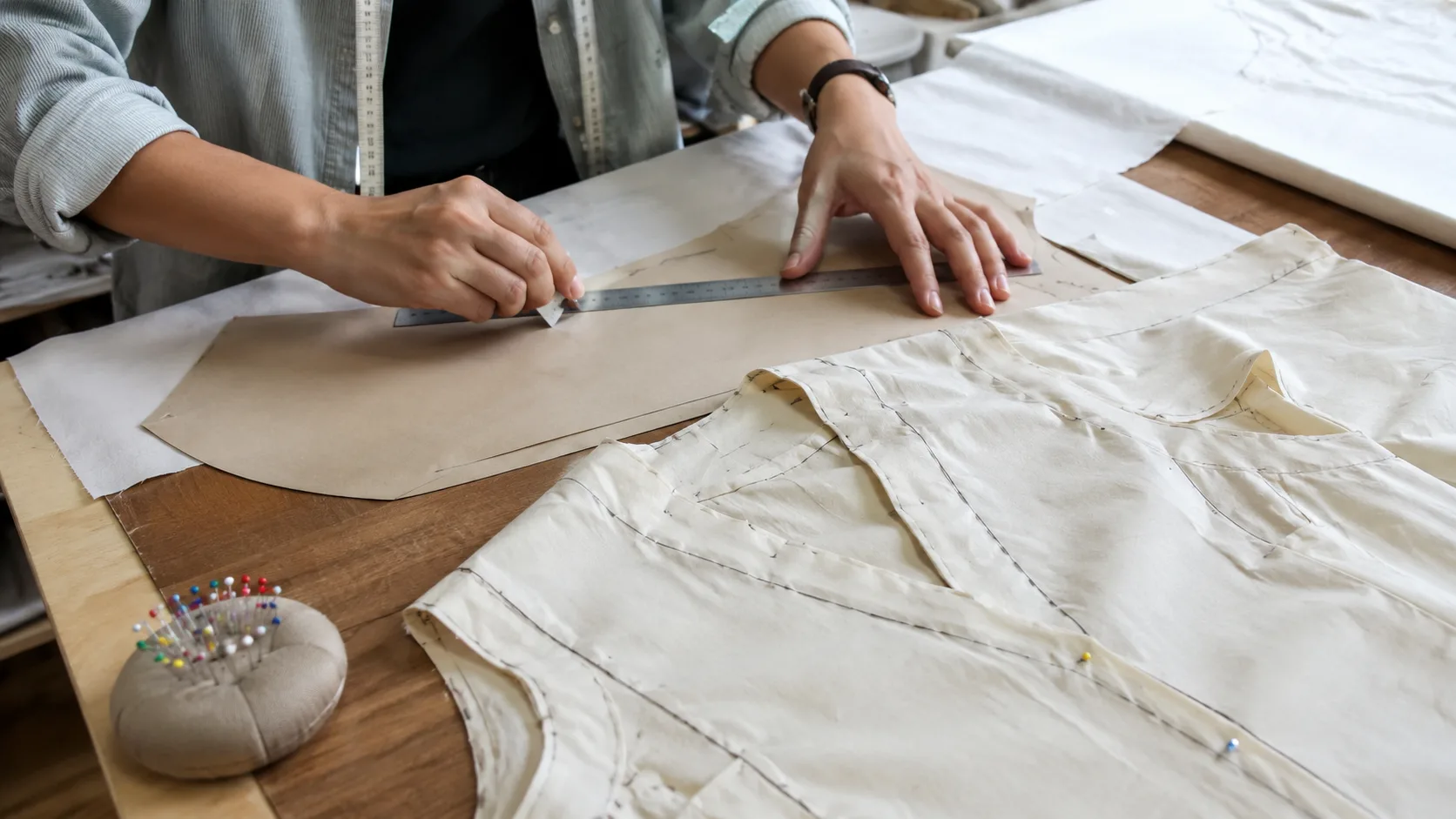
Clothing sample development is the process of creating one or more trial garments before bulk manufacturing begins. The sample is produced according to the design sketches, pattern, measurements, fabric specifications, trims, and construction instructions.
The finished sample helps determine whether:
- The garment matches the original design
- The measurements are accurate
- The selected fabric performs correctly
- The construction methods are suitable
- The garment is comfortable and functional
- The design can be produced consistently
More than one sample may be required before the garment is approved.
Testing Garment Fit
Fit is one of the main reasons for creating a sample. Measurements provide guidance, but fit also depends on pattern balance, body shape, fabric behavior, and the amount of ease.
During a fitting, the development team should check:
- Shoulder and side-seam placement
- Chest, waist, and hip fit
- Garment length
- Sleeve movement
- Neckline shape
- Dart and pocket positions
- Overall balance and comfort
Any required adjustments should be recorded and transferred to the pattern and measurement chart. Specific feedback is important. For example, “add width at the bicep” is more useful than simply saying that the sleeve does not fit.
Evaluating Fabric Performance
Fabric affects the garment’s appearance, comfort, durability, and fit. Materials with similar fiber content can behave differently because of changes in weight, stretch, recovery, weave, finish, and drape.
A sample helps determine whether the fabric:
- Supports the intended silhouette
- Provides enough movement
- Returns to its original shape
- Shrinks after washing
- Frays, curls, or puckers during sewing
- Requires lining or interfacing
- Works with the selected trims and closures
If the fabric does not support the design, the brand can change the material, pattern, or construction method before bulk production begins.
Reviewing Construction Details
Sample development allows the manufacturer to test how the garment should be assembled.
Important details include:
- Seam and stitch types
- Thread selection
- Hem finishing
- Pocket reinforcement
- Zipper installation
- Button or snap placement
- Elastic application
- Lining attachment
- Reinforcement at stress points
A method that works on a stable woven fabric may not work on a lightweight knit. Sampling helps the manufacturer choose construction techniques that provide strength, appearance, and production efficiency.
Preventing Expensive Production Mistakes
Producing an untested garment in bulk can result in:
- Incorrect sizing
- Unsellable inventory
- Customer returns
- Poor reviews
- Wasted fabric and trims
- Costly repairs
- Delayed product launches
Sampling requires an initial investment, but it can prevent much larger losses. It may also reveal ways to simplify construction, reduce fabric consumption, or select more practical trims without lowering quality.
Confirming Production Feasibility
A garment may be possible to make as a sample but difficult to reproduce consistently in larger quantities.
During development, the manufacturer may identify:
- Details requiring excessive manual work
- Materials that are difficult to source
- Complicated construction steps
- Measurements that are difficult to control
- Trims that create long delays
- Features requiring specialized equipment
The design can then be adjusted to make production more efficient while maintaining its original appearance.
Pre-Production Sample Approval
After the fit, fabric, measurements, and construction have been approved, a pre-production sample may be created using the final materials.
This sample should confirm:
- Final measurements
- Approved fabric and color
- Correct trims and labels
- Stitching standards
- Print or embroidery placement
- Pocket and closure positions
- Finishing requirements
Bulk production should not begin until the sample and all related details have been approved.
Common Sampling Mistakes
Fashion brands should avoid:
- Expecting the first sample to be perfect
- Providing unclear revision comments
- Changing the design repeatedly
- Approving a sample made in the wrong fabric
- Skipping a proper fitting
- Starting bulk production before final approval
All sample feedback should be organized in one document and reflected in the updated pattern, tech pack, and measurement chart.
Final Thoughts
Sample development is one of the most important stages in clothing manufacturing. It allows fashion brands to test fit, fabric, construction, measurements, cost, and production feasibility before placing a large order.
The goal should not be to begin bulk production as quickly as possible. The goal should be to enter production with a garment that has been tested, corrected, documented, and approved.
This preparation helps create consistent quality, reduce production problems, improve customer satisfaction, and build a stronger foundation for long-term brand growth