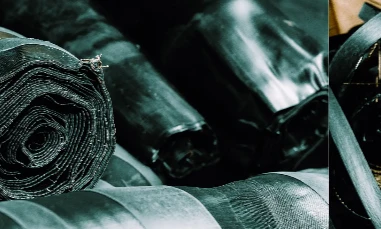
You have to mix the rubber, shape it, let it dry, and then finish it. These steps make items that are useful in many ways and last a long time. The garbage that comes from this procedure is mostly broken pieces and scraps that happen when the goods are drying. As sustainability becomes increasingly important, companies are focused on recycling trash to cut down on waste and make things operate more efficiently. This is especially true in the tire business.
What Are the Environmental Impacts of Curing Waste?
This form of waste, which is largely vulcanized rubber, doesn't break down rapidly and stays around for a long time. It's not good for the environment at all. Putting rubbish that needs to dry out in dumps puts extra stress on them over time and could hurt the ecosystem. Also, tossing items out the wrong way could let out greenhouse gases that are unhealthy for the air. These problems highlight how crucial it is for the rubber industry to have good means to get rid of rubbish.
How Can Recycling Curing Waste Benefit Rubber Manufacturers?
Businesses that create goods can save money by curing waste recycling that has already been used. This is because they don't have to buy as many new raw materials. You can use old rubber to make new things or to make things in other ways. This makes garbage more useful. Also, better recycling technology makes it easier to turn rubbish that is hard to sort into something that can be used in numerous ways. Going green can also make a firm look better, which makes it more appealing to eco-friendly clients, business partners, and government officials.
What Are the Challenges of Recycling Curing Waste?
Recycling trash is wonderful, but it may be hard and cost a lot of money. Because its chemical linkages make it stiff, vulcanized rubber is hard to work with and requires specific tools. It might not be possible for manufacturers to make changes or buy new equipment straight away. You also need to plan to follow the varied requirements for getting rid of rubbish in different places. Because of this, a lot of businesses think that better tire manufacturing waste management will be worth the extra effort and money in the long term.
What Steps Can Rubber Manufacturers Take to Implement Recycling Practices?
Before recycling cured waste, a company should look through its trash lines to see what it can use again or recycle. If you have a lot of rubber rubbish that is hard to recycle, tech businesses or recycling organizations can assist you in getting rid of it faster. If you buy the newest machines for sorting, devulcanizing, and grinding materials, it may be easier to turn rubbish into something usable again. If you show your employees how vital recycling is, they will also utilize eco-friendly practices when they make goods.
Is Recycling Curing Waste the Future of Sustainable Rubber Manufacturing?
Recycling is becoming more and more significant in the rubber industry as companies aim to make their products last longer. It helps the environment, makes things work better, and cuts down on trash. It's easier to get rid of rubber trash now because recycling processes have gotten better. Because of this, companies may easily use these options. Recycling trash from curing won't get rid of all the waste that comes from creating products, but it does help the rubber company recycle more and last longer. Cleaning up rubbish in an eco-friendly way is good for the environment and helps businesses grow over time.