The role of restaurants has changed dramatically over the past decade. What was once primarily a place to enjoy a meal has evolved into something much more significant. Today, restaurants serve as social spaces, cultural hubs, celebration venues, and gathering places where people create memories with family, friends, and colleagues.
This shift in dining behavior has transformed the hospitality industry. Modern diners no longer evaluate restaurants based solely on food quality. They also consider ambiance, service, comfort, authenticity, and the overall experience. As a result, successful restaurants focus on creating environments where guests can enjoy meaningful moments alongside exceptional cuisine.
In cities rich in history and culture, such as Bharatpur, restaurants play an even more important role. They serve as spaces where visitors can experience local hospitality, regional flavors, and cultural traditions while spending quality time with loved ones.
The Evolution of Modern Dining
Dining out was once considered an occasional activity reserved for celebrations and special occasions. Today, it has become a regular part of modern lifestyles. Families gather for weekend meals, friends meet to reconnect, business professionals conduct meetings over lunch, and travelers explore destinations through local cuisine.
This growing importance of dining experiences has changed customer expectations. Guests want more than just good food. They seek comfort, atmosphere, attentive service, and experiences that feel memorable and enjoyable.
Restaurants that understand these expectations are often the ones that build long-term customer loyalty. They recognize that dining is not only about satisfying hunger but also about creating positive emotional experiences.
Why Food Remains at the Heart of Hospitality
Despite changing trends, food remains the foundation of every successful restaurant. The quality of ingredients, preparation techniques, presentation, and consistency all contribute to customer satisfaction.
However, modern diners increasingly appreciate authenticity. They want to understand the story behind a dish, the traditions that inspired it, and the ingredients that give it character. Regional cuisine has become particularly popular because it allows people to connect with local culture through food.
In Rajasthan, culinary traditions are deeply rooted in history. Recipes passed down through generations continue to influence modern dining experiences. From traditional flavors to contemporary interpretations of regional dishes, food serves as an important connection between the past and the present.
Restaurants that successfully preserve these traditions while meeting modern expectations often create experiences that resonate strongly with guests.
The Growing Importance of Ambiance
The physical environment of a restaurant significantly influences how guests perceive their dining experience. Comfortable seating, thoughtful design, pleasant lighting, and welcoming interiors all contribute to customer satisfaction.
Many diners choose restaurants not only for their menus but also for the atmosphere they provide. A well-designed restaurant can encourage longer visits, stronger emotional connections, and a greater likelihood of repeat business.
Ambiance becomes particularly important when people are celebrating special occasions. Birthdays, anniversaries, family gatherings, and business dinners often require environments that feel inviting and memorable.
A carefully designed dining space helps transform an ordinary meal into a meaningful experience.
Why Family Dining Is More Important Than Ever
Modern lifestyles often leave families with limited opportunities to spend quality time together. Work schedules, academic commitments, and digital distractions can make it difficult for family members to connect regularly.
Restaurants provide valuable opportunities for families to slow down and enjoy meaningful conversations without the interruptions of daily routines. Shared meals encourage interaction, strengthen relationships, and create lasting memories.
This growing emphasis on family experiences explains why many diners actively search for a Luxury Family Restaurant Bharatpur that offers comfortable seating, diverse menu options, welcoming service, and an atmosphere suitable for all age groups.
Family-friendly dining environments help ensure that every guest, from children to grandparents, feels comfortable and valued.
The Connection Between Food and Culture
Food is one of the most effective ways to experience a destination's culture. Every region has unique ingredients, cooking techniques, and culinary traditions that reflect its history and identity.
Bharatpur is known for its cultural heritage, historical significance, and warm hospitality. Restaurants that embrace these local influences provide guests with opportunities to connect more deeply with the region.
Traditional recipes, local ingredients, regional flavors, and culturally inspired dining experiences all contribute to a stronger sense of place. Travelers often remember meals as vividly as they remember tourist attractions because food engages multiple senses and creates powerful emotional connections.
For many visitors, dining becomes an important part of understanding the character of a destination.
Heritage Hospitality in Modern Dining
Heritage-inspired hospitality has become increasingly popular among travelers and local diners alike. People appreciate environments that celebrate history, architecture, and cultural traditions while still providing modern comfort.
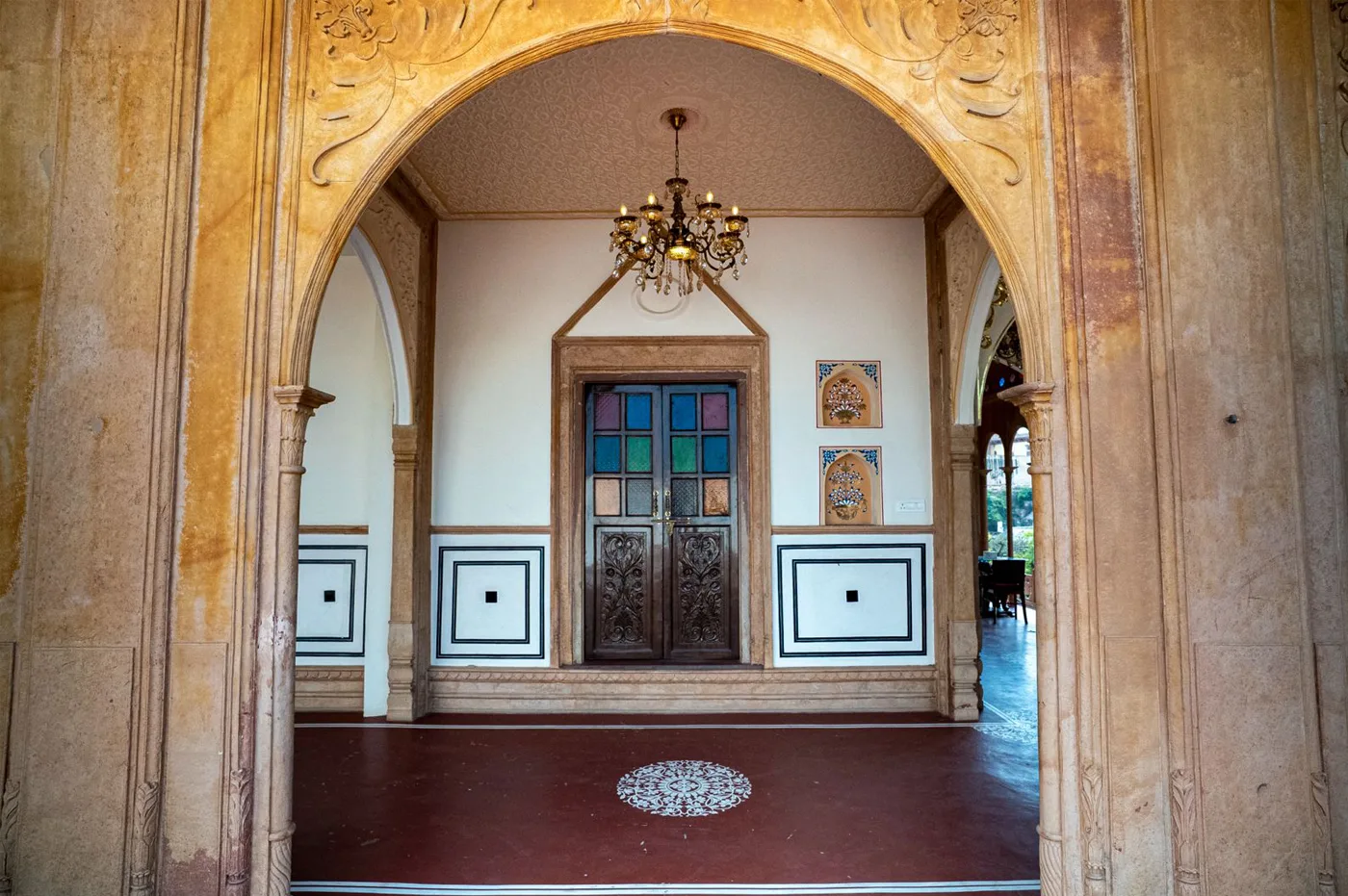
A Heritage Restaurant in Bharatpur offers guests an opportunity to enjoy both culinary experiences and cultural immersion. Traditional design elements, regional influences, and authentic hospitality help create an atmosphere that feels distinctive and memorable.
These restaurants often stand out because they offer experiences that cannot easily be replicated elsewhere. Guests feel connected to the local culture in ways that extend beyond the food itself.
The combination of heritage and hospitality creates dining experiences that appeal to travelers seeking authenticity as well as local residents looking for something special.
Why Service Matters as Much as Food
Exceptional service remains one of the most important factors influencing customer satisfaction. While food may attract guests initially, hospitality often determines whether they return.
Friendly interactions, prompt attention, and genuine care can significantly enhance the dining experience. Guests appreciate restaurants where staff members are knowledgeable, attentive, and committed to creating positive experiences.
Hospitality is particularly important in destinations known for welcoming visitors. Rajasthan has a long tradition of treating guests with warmth and respect, and this cultural value continues to influence the hospitality industry today.
Restaurants that embrace these principles often develop strong reputations and loyal customer bases.
Dining as a Social Experience
Restaurants serve an important social function within communities. They provide spaces where people celebrate achievements, share important moments, and strengthen relationships.
Business meetings, family gatherings, reunions, celebrations, and casual get-togethers all take place around dining tables. These interactions contribute to the emotional significance of restaurants within people's lives.
As a result, successful restaurants focus on creating environments that encourage conversation, connection, and comfort. The best dining experiences are often remembered not only for the food but also for the people and moments associated with them.
This social dimension helps explain why restaurants continue to play such an important role in modern life.
The Role of Restaurants in Tourism
Tourism and dining are closely connected. Travelers increasingly research restaurants before visiting destinations because they recognize that food is an essential part of the travel experience.
Restaurants contribute to a destination's identity by showcasing local flavors, traditions, and hospitality. Visitors often judge a destination based on the quality of its dining experiences, making restaurants important ambassadors for local culture.
Bharatpur attracts travelers interested in history, wildlife, and heritage. Quality dining experiences enhance these visits by providing opportunities to relax, explore regional cuisine, and enjoy local hospitality after a day of sightseeing.
Restaurants that successfully serve both local residents and visitors often become key components of a destination's tourism ecosystem.
Why Experience-Driven Dining Is the Future
Consumer preferences continue to evolve, and experience-driven dining is becoming increasingly important. People are willing to invest in experiences that provide enjoyment, connection, and lasting memories.
Restaurants that focus on atmosphere, hospitality, authenticity, and quality are well positioned to meet these expectations. Rather than competing solely on menu items, they create environments where guests genuinely enjoy spending time.
Many diners searching for a Premium Restaurant in Bharatpur are ultimately looking for experiences that combine excellent food with meaningful hospitality. They want restaurants that provide more than meals—they want destinations where memories are created.
This trend is likely to continue shaping the future of the restaurant industry as customers increasingly prioritize experiences over transactions.
Conclusion
Restaurants have evolved far beyond their traditional role as places to eat. Today, they serve as cultural destinations, social gathering spaces, and important contributors to local tourism and hospitality.
The most successful dining establishments understand that guests value atmosphere, service, authenticity, and meaningful experiences alongside great food. By combining these elements, restaurants create environments where people can connect, celebrate, and create lasting memories.
As Bharatpur continues to grow as a destination for travelers and local residents alike, restaurants that embrace hospitality, culture, and quality will remain central to the community's social and tourism landscape. Whether enjoying a family meal, celebrating a special occasion, or exploring regional cuisine, diners increasingly seek experiences that go beyond the plate—and the best restaurants are prepared to deliver exactly that.