As the global population ages, healthcare providers face mounting challenges in meeting the complex needs of elderly patients. Chronic conditions, mobility limitations, and frequent doctor visits often make managing senior health a daunting task for both caregivers and medical professionals. Remote Patient Monitoring (RPM) has emerged as a transformative solution, offering real-time health tracking and proactive care from the comfort of home. For elderly care, it’s not just beneficial — it’s becoming essential.
The Growing Need for Elderly Healthcare Solutions
According to the World Health Organization (WHO), the proportion of people aged 60 and older is expected to double by 2050. With aging comes an increased risk of chronic diseases such as hypertension, diabetes, heart conditions, and respiratory disorders. Frequent hospital visits for routine health monitoring can be inconvenient, stressful, and even risky for elderly individuals, especially those with mobility issues.
That’s where Remote Patient Monitoring steps in, providing an effective, patient-centric approach to elderly healthcare.
What is Remote Patient Monitoring?
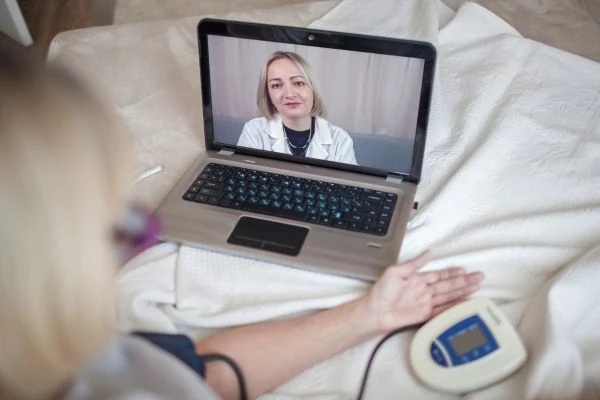
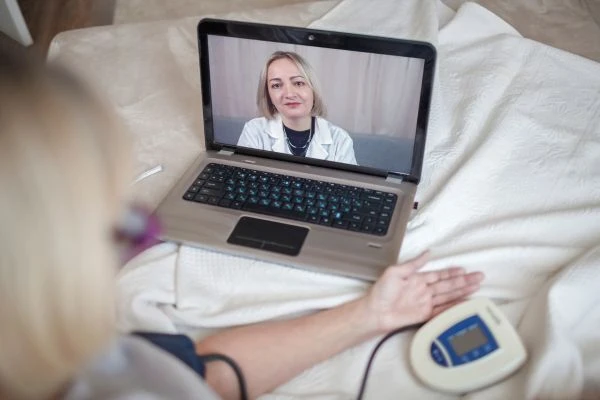
Remote Patient Monitoring refers to the use of digital technologies to collect patient health data from individuals in one location and electronically transmit that information securely to healthcare providers in a different location for assessment and recommendations. Devices commonly used in RPM for elderly care include:
- Blood pressure monitors
- Glucose meters
- Pulse oximeters
- ECG devices
- Weight scales
- Wearable devices for fall detection
With real-time data, healthcare providers can intervene early when anomalies arise, significantly improving patient outcomes.
Key Benefits of RPM for Elderly Care
1. Early Detection of Health Issues
RPM allows healthcare providers to catch subtle changes in vital signs before they escalate into serious medical conditions. For elderly patients prone to heart or respiratory issues, early detection can be life-saving.
2. Reduced Hospital Readmissions
With continuous monitoring, patients who recently underwent surgery or hospitalization can recover at home with medical oversight. This reduces hospital readmissions, easing strain on healthcare facilities while ensuring patient comfort.
3. Convenience for Patients and Caregivers
Elderly patients often rely on family members or caregivers for transportation to clinics. RPM reduces the need for frequent travel by enabling remote consultations and routine checkups.
4. Enhanced Chronic Disease Management
For elderly patients managing chronic diseases like diabetes or hypertension, RPM helps track fluctuations in health metrics, enabling tailored treatment plans and timely adjustments in medication or care routines.
5. Improved Quality of Life
By allowing seniors to remain in familiar surroundings while still receiving top-quality care, RPM supports independence, dignity, and peace of mind for elderly patients and their families.
How RPM Empowers Healthcare Providers
Healthcare providers benefit from RPM by gaining continuous access to patient data, allowing for data-driven decision-making and proactive care strategies. This leads to better clinical outcomes and helps establish stronger relationships with patients through personalized, responsive care.
Additionally, RPM supports the broader goals of value-based healthcare, where improving patient outcomes takes precedence over the volume of services provided.
Combining RPM with Human Support
While RPM devices provide vital data, human support systems remain essential to interpret, guide, and assist both patients and caregivers throughout the healthcare journey. Combining technology with dedicated support services ensures that patients don’t just receive data but actionable guidance.
That’s why many healthcare providers partner with specialized service providers for remote monitoring support and related healthcare assistance. These services ensure that both patients and healthcare teams have reliable assistance for managing technology, interpreting results, and ensuring seamless care.
The Role of Healthcare Help Desk Support
To maximize the benefits of Remote Patient Monitoring, elderly patients need quick, empathetic, and knowledgeable assistance whenever issues arise with devices or data interpretation. That’s where healthcare help desk support plays a critical role, ensuring that seniors and their caregivers can navigate the technology confidently and receive timely solutions, enhancing the overall effectiveness of RPM programs.