The Digital Crossroads: Regulation in a Hyperconnected World
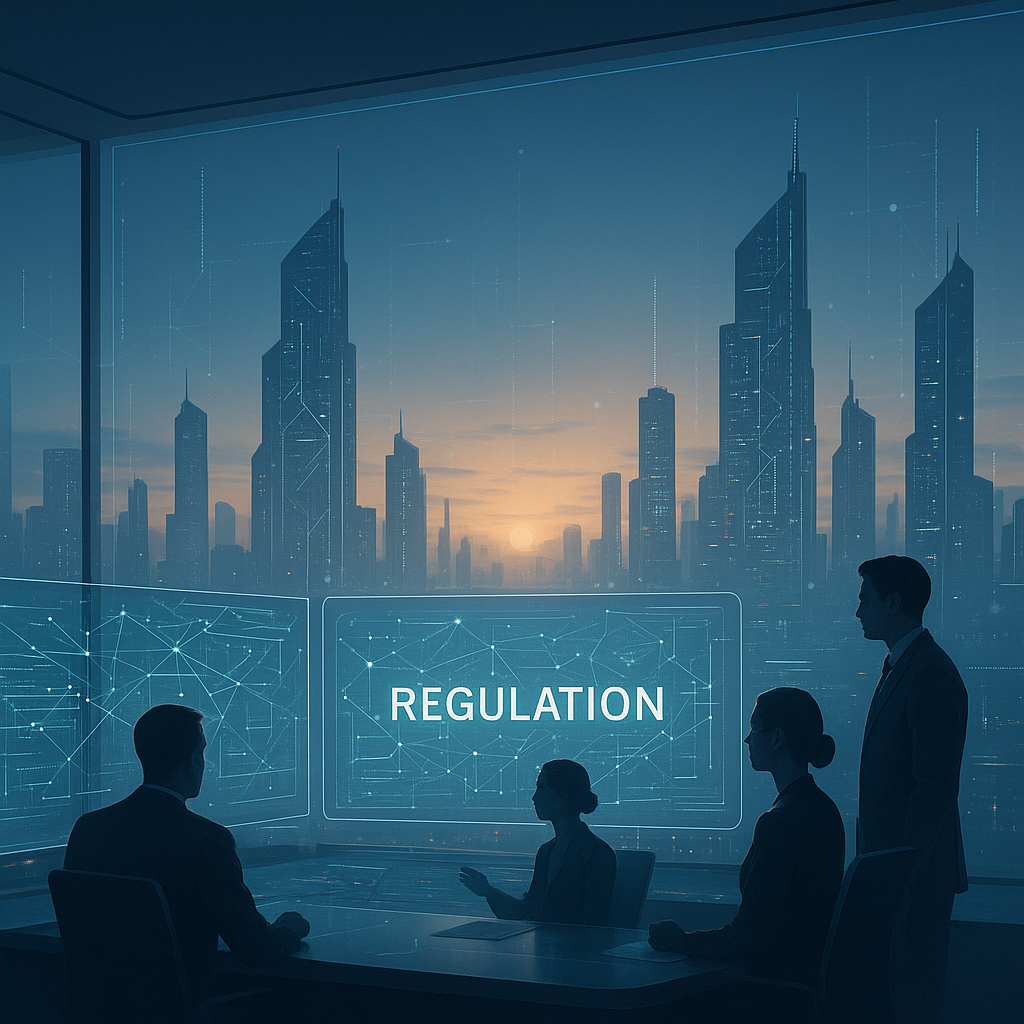
In the bustling control room of a global regulatory agency in early 2026, a team of lawyers, data scientists, and policy experts pore over real-time data streams from interconnected financial markets, AI-powered supply chains, and decentralized digital identities. The stakes are higher than ever. New technologies emerge faster than laws can keep pace, and the traditional regulatory playbook is struggling to keep up. This scene, emblematic of the challenges regulators face today, underscores a fundamental truth: the future of regulation will redefine governance itself in the digital age.
Recent surveys from the Global Regulatory Forum reveal that over 68% of regulators worldwide feel “underprepared” for the velocity and complexity of innovations such as artificial intelligence, blockchain, and synthetic biology. Meanwhile, cross-border digital services have created a regulatory patchwork that often leaves consumers and businesses vulnerable to inconsistent protections.
"The accelerating pace of technological change demands an equally agile and anticipatory regulatory approach — otherwise, we risk regulatory obsolescence," says Dr. Elena Marquez, a leading expert on technology policy at the International Institute for Governance.
This article explores how regulatory systems are evolving to meet these challenges, the emerging frameworks shaping 2026, and what stakeholders can expect as governments, industries, and civil society reimagine the future of law and policy.
Tracing the Roots: From Industrial Age Controls to Digital Governance
To understand where regulation is headed, it’s essential to grasp how we arrived here. Historically, regulation was reactive and sector-specific, designed primarily to address tangible harms in industrial or financial sectors. In the 20th century, regulatory agencies focused on controlling pollution, ensuring financial stability, and protecting consumer rights within clearly defined national borders.
However, the rise of the internet in the 1990s began to challenge this model. Digital services transcended geography, and new risks—like data breaches, misinformation, and cybercrime—emerged without clear regulatory custodians. The early 2000s saw the first attempts at digital regulation, such as the European Union’s Data Protection Directive, which evolved into the landmark General Data Protection Regulation (GDPR) of 2018.
Despite these advances, many regulatory frameworks found themselves stretched thin. As AI algorithms began to influence credit decisions, healthcare diagnostics, and public safety, regulators faced unprecedented ethical and technical questions. The global financial crisis of 2008 further exposed the dangers of regulatory gaps, prompting reforms but also revealing the limits of traditional oversight mechanisms.
By the mid-2020s, the convergence of digital technologies, climate imperatives, and geopolitical shifts created a regulatory environment that was more complex and interconnected than ever. Governments started to emphasize anticipatory and adaptive regulation—systems designed to forecast technological impacts and adjust rules dynamically.
"Regulation is no longer just about control; it’s about enabling innovation while safeguarding fundamental rights," notes Professor Arjun Desai of the University of Cambridge’s Centre for Technology and Society.
Emerging Regulatory Models: Data-Driven, Adaptive, and Collaborative
2026 finds regulators experimenting with new models that depart significantly from the command-and-control style of the industrial age. Among the most promising trends are:
- Algorithmic Regulation: Using AI and machine learning to monitor compliance in real time and predict risks before they materialize. For example, the European AI Regulatory Observatory launched in 2025 employs automated audits of AI systems deployed in healthcare and finance to detect bias and safety issues.
- Regulatory Sandboxes: Increasingly popular in fintech and biotech, these controlled environments allow innovators to test new products under regulatory supervision. The UK’s Sandbox 3.0 initiative expanded in 2026 to include environmental tech, fostering rapid yet safe innovation.
- Co-Regulation and Self-Regulation: Governments are partnering with industry consortia to develop standards and certifications, especially in cybersecurity and data privacy. The Global Data Privacy Alliance, formed in 2024, exemplifies this approach by creating interoperable privacy frameworks across jurisdictions.
- Dynamic Legal Frameworks: Legislatures are crafting laws with built-in review mechanisms and sunset clauses to ensure periodic reassessment. Singapore’s adaptive data governance law, enacted in 2025, mandates five-year reviews and stakeholder consultations.
- Cross-Border Regulatory Collaboration: Recognizing the global nature of digital services, multilateral agreements have multiplied. The Digital Trade and Trust Pact, signed by 22 countries in 2025, harmonizes e-commerce and data transfer rules to reduce fragmentation.
These innovations reflect a broader shift toward regulation as a continuous, data-informed process rather than a one-off legal decree.
2026 Highlights: How Regulation Is Responding to Today’s Challenges
The current year has already brought significant milestones illustrating the future trajectory of regulation:
- AI Liability Reforms: The United States and EU reached a tentative agreement on AI liability frameworks, focusing on transparency, explainability, and shared responsibility among developers, deployers, and users.
- Climate-Tech Regulation: New regulatory guidelines for carbon capture and geoengineering technologies were published, emphasizing risk assessment protocols and international oversight to prevent unilateral actions.
- Digital Identity Regulation: The World Digital Identity Consortium launched a universal digital identity framework, balancing privacy, security, and interoperability across borders.
- Crypto Regulation Advances: After years of fragmented policies, 15 countries adopted the Crypto Asset Regulatory Framework 2026, which sets minimum standards for consumer protection, anti-money laundering, and market integrity.
- Meta-Governance Initiatives: The establishment of the Global Regulatory Futures Council has created a platform for horizon scanning and policy coordination on emerging tech risks.
These developments demonstrate a growing consensus on the need for harmonized, forward-looking regulatory approaches.
"The regulatory landscape of 2026 is characterized by unprecedented cooperation and innovation, which is vital for addressing the complex challenges of our time," says Maria Chen, Chairperson of the Global Regulatory Futures Council.
However, challenges remain. Public trust in regulatory institutions is uneven, with debates raging over surveillance, data sovereignty, and the balance between innovation and control.
Voices from the Field: Perspectives from Regulators and Industry Leaders
Interviews with senior regulators and industry executives reveal a mix of optimism and caution. Regulatory bodies emphasize the importance of agility and stakeholder engagement. For instance, the Canadian Digital Regulation Authority has pioneered community-driven policymaking, incorporating input from marginalized groups often overlooked in tech debates.
Meanwhile, tech companies acknowledge the necessity of clear rules but warn against overregulation that stifles innovation. Samantha Lee, CTO of a leading AI startup, stresses the need for "regulatory clarity that enables experimentation without exposing companies to excessive legal risk."
Industry analysts note that sectors like fintech are at the forefront of regulatory evolution. For more on this dynamic, see our in-depth exploration of How Fintech Is Redefining Finance: Innovation, Regulation, and the Road Ahead. Similarly, the foundational role of regulation in balancing innovation and societal interests is detailed in Why Regulation Remains the Pillar of Modern Governance and Innovation.
"Effective regulation must be a dialogue, not a monologue," says Dr. Marquez. "It requires trust, transparency, and the willingness to evolve alongside technology."
Looking Ahead: What to Watch in the Regulatory Landscape
As we move deeper into this decade, several key trends and questions will shape the future of regulation:
- Legislative Innovation: Will more governments adopt anticipatory legislation with modular design and sunset clauses?
- Global Governance: Can international coalitions overcome geopolitical tensions to create unified digital regulatory standards?
- Ethical AI: How will regulators enforce accountability and fairness in increasingly autonomous systems?
- Public Engagement: What new mechanisms will emerge to involve citizens meaningfully in regulatory processes?
- Technological Enablers: How will regulators harness AI and big data for real-time compliance and risk assessment?
Monitoring these developments is critical for businesses, policymakers, and civil society alike. The ability to anticipate regulatory shifts is becoming a strategic imperative.
Ultimately, the future of regulation will be a testament to human adaptability — blending legal tradition with technological innovation to safeguard rights, promote fairness, and foster sustainable progress.