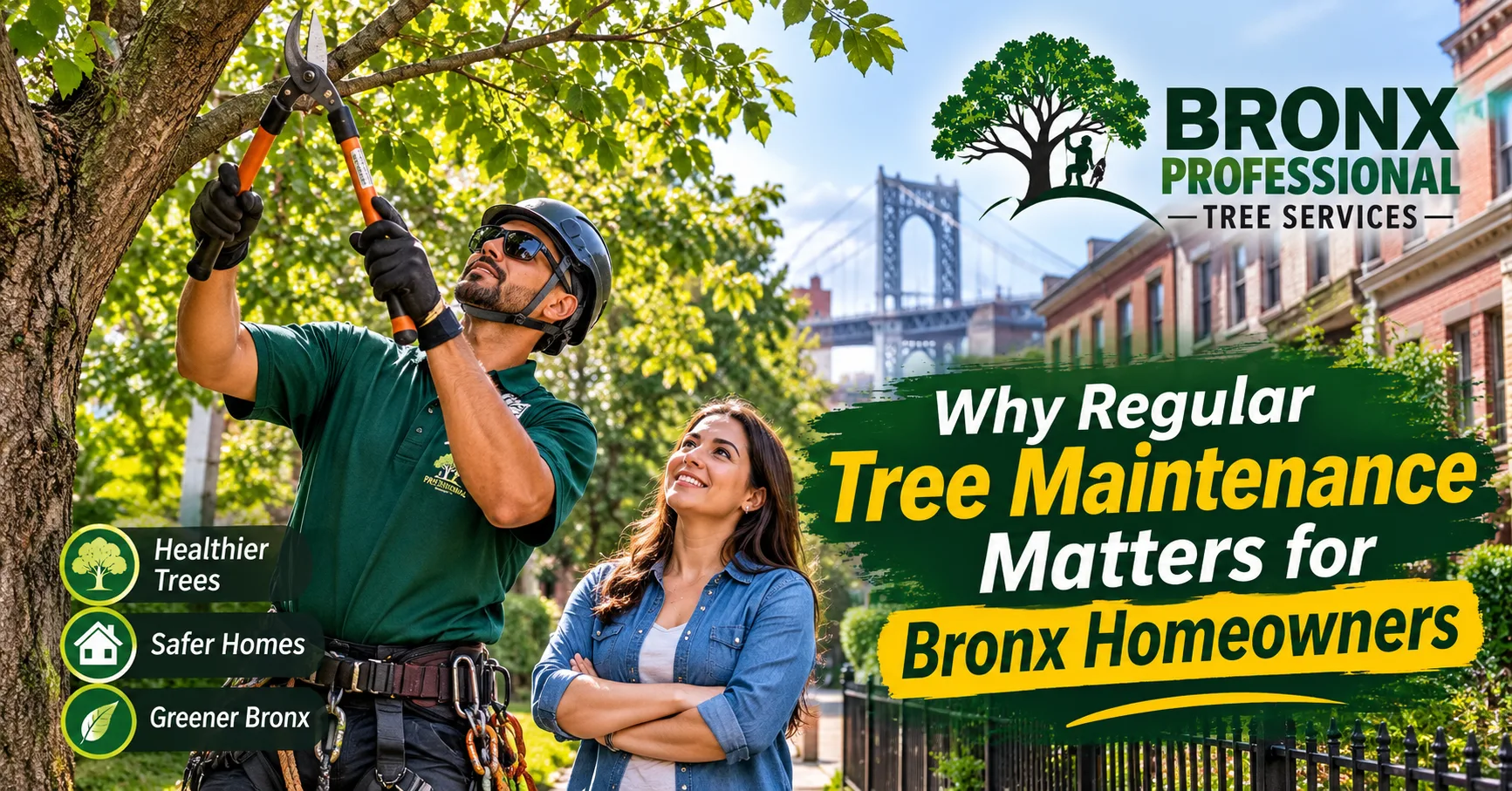
Trees add beauty, shade, and character to residential properties. However, they also need regular attention to remain healthy and safe. In a busy urban area like the Bronx, trees may face limited growing space, compacted soil, nearby buildings, and changing weather conditions. Without proper care, small problems can gradually become serious hazards.
A professional bronx tree service can help homeowners identify developing issues, maintain healthy branches, and address potential risks before they cause damage. Regular maintenance is not just about keeping a yard attractive. It also helps protect the property and supports the long-term health of the trees.
Why Trees in the Bronx Need Regular Maintenance
Trees growing in urban neighborhoods face different challenges from those in open natural areas. Their roots may have limited space to spread, while sidewalks, driveways, buildings, and underground utilities can restrict normal growth. Soil around residential properties may also become compacted, making it harder for roots to access the air and water they need.
Weather adds another challenge. Strong winds, heavy rain, snow, and temperature changes can weaken branches or expose existing damage. Regular inspections help homeowners notice these changes early. Instead of waiting until a branch falls or a tree begins to decline, they can arrange suitable care based on the tree's condition.
Protecting Your Home and Family from Tree Hazards
A tree that looks healthy from a distance may still have damaged branches, weak attachments, or signs of decay. These problems can become dangerous when branches hang over roofs, walkways, parked vehicles, or areas where people regularly spend time.
Routine maintenance helps identify potential hazards before they lead to property damage or injury. A professional can assess the tree's structure and recommend appropriate pruning, treatment, or removal when necessary. Homeowners should avoid assuming that every leaning tree is dangerous, but sudden changes in its position or visible structural damage deserve attention.
Warning Signs Homeowners Should Not Ignore
Keep an eye on changes in your trees, especially after severe weather. Some warning signs include:
- Dead, broken, or hanging branches.
- Deep cracks or splits in the trunk.
- Sections of missing or damaged bark.
- Mushrooms or visible decay around the base.
- A sudden change in the tree's lean.
- Branches growing too close to roofs, windows, or utility lines.
These signs do not always mean a tree must be removed. However, they may indicate that a closer inspection is needed. The New York State Department of Environmental Conservation recommends regular visual checks and professional assessment when a tree shows concerning defects.
Keeping Trees Healthy Through Proper Pruning
Pruning is one of the most useful parts of regular tree maintenance. It involves selectively removing branches that are dead, damaged, diseased, or poorly positioned. Proper pruning can improve a tree's structure, reduce unnecessary weight in certain areas, and give healthy branches more room to develop.
The goal is not to remove as much growth as possible. Cutting too many branches or making improper cuts can stress a tree and create additional problems. Homeowners should avoid aggressive trimming, especially when dealing with mature trees. Professional tree cutting bronx services can help determine which branches need attention and how to remove them without causing unnecessary damage.
Preparing Trees for Storms and Severe Weather
Storm preparation should be part of a homeowner's regular property maintenance routine. Strong winds and heavy precipitation can put pressure on weak branches, damaged limbs, and trees with existing structural problems. Branches extending over homes, garages, fences, and driveways deserve particular attention.
Before storm season, arrange an inspection if you notice dead limbs, cracks, or unusual growth patterns. A qualified tree-care professional can recommend suitable work based on the tree's condition. Avoid trying to remove large branches yourself, particularly when they are high above the ground or close to electrical lines.
After a storm, check your property from a safe distance. Look for hanging branches, fresh cracks, exposed roots, or sudden changes in the tree's position. If a damaged tree presents an immediate threat to someone's life, call 911. For less urgent concerns, arrange an appropriate inspection before attempting any cleanup.
Improving Curb Appeal and Maintaining Outdoor Spaces
Healthy trees can make a residential property more welcoming. They provide shade, soften the appearance of buildings, and add natural character to front yards and outdoor spaces. Overgrown or poorly maintained trees, on the other hand, can make a property look neglected and block natural light or walkways.
Regular care helps maintain a balanced appearance without sacrificing the tree's health. Removing dead branches, managing excessive growth, and keeping trees clear of important access areas can make outdoor spaces easier to use. Good maintenance also helps homeowners spot problems that may affect the appearance of their landscaping over time.
When Should Homeowners Call a Professional Tree Care Service?
Not every tree-care task requires professional assistance, but certain situations are best handled by trained specialists. Large trees, heavy limbs, elevated branches, and work near buildings can create serious safety risks. Using ladders or power equipment without the right training can also lead to injuries and property damage.
Consider arranging a professional inspection when:
- A tree has large dead or damaged branches.
- You notice cracks, decay, or exposed roots.
- Branches are touching a roof or obstructing an important area.
- A tree has suffered visible storm damage.
- You are unsure whether pruning or removal is appropriate.
When comparing providers, ask about their experience with residential tree care, insurance coverage, and the qualifications of the people performing the work. A reliable tree service bronx provider should explain the condition of the tree, recommend suitable work, and discuss safety considerations before starting.
Understanding Tree Care Responsibilities in NYC
Before arranging pruning or removal, Bronx homeowners should confirm whether a tree is on private property or public land. This distinction matters because NYC Parks handles street trees, while property owners are responsible for trees located on their private property.
According to NYC311, homeowners should check their property survey to confirm the boundary before arranging work on or around a tree near the front of their property. The city also requires permits for certain work involving street trees. For example, work on or within 50 feet of a street tree may require a Tree Work Permit.
If a street tree has dead or damaged branches, blocks a sidewalk or traffic sign, or appears to pose a hazard, homeowners can submit a request through NYC311. NYC Parks does not provide routine maintenance for trees on private property, so owners generally need to arrange that work with a private contractor.
Checking ownership and permit requirements before starting a project can help prevent unnecessary complications.
How to Build a Simple Tree Maintenance Routine
A consistent maintenance routine does not have to be complicated. Homeowners can start by observing their trees throughout the year and noting any changes in their appearance or condition.
A practical routine includes:
- Inspect trees regularly: Look for dead branches, cracks, damaged bark, and changes in growth.
- Check after storms: Look for broken limbs, hanging branches, and visible changes in the tree's position.
- Avoid unnecessary cutting: Do not remove healthy branches simply to reduce the tree's size.
- Arrange professional assessments: Contact a qualified specialist when you notice concerning signs or need work beyond basic yard maintenance.
- Keep records: Note previous pruning, inspections, and any issues that may need follow-up.
The right maintenance schedule depends on the tree's species, age, condition, and location. Some trees may need more attention than others, so a professional assessment can help establish an appropriate care plan.
Conclusion
Regular tree maintenance helps Bronx homeowners protect their properties, support tree health, and keep outdoor spaces looking their best. Small issues such as damaged branches or early signs of decay are easier to address when homeowners notice them promptly. By arranging suitable inspections, avoiding improper cutting, and understanding NYC tree-care responsibilities, homeowners can make better decisions about their trees and maintain safer, healthier properties over time.