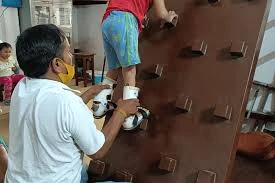
Cerebral palsy (CP) is a neurological condition that has its own peculiarities, and being active is an important factor in overall well-being and remaining independent. A study indicates that cerebral palsy physical exercise can help an adult patient reduce pain, enhance mobility, and improve the quality of life.
Exercise regimens should, of course, be adapted to suit any particular person, but regular activity is among the most effective ways of ensuring sustained health.
4 Ways Physical Activity Helps Protect the Health of Those with CP
● Improves Strength & Mobility: Specific exercises build strength, improve balance, and limit stiffness, enabling a person to move with more confidence in the day-to-day.
● Promotes Heart and Lung Health: Aerobic physical exercises such as swimming or cycling enhance cardiorespiratory endurance and prevent fatigue.
● Improves Psychological Health: The consistent physical engagement relaxes stress, minimizes stress, boosts mood, and provides psychological stability in a process complemented by physical health.
● Prevents Secondary Health Issues: Exercise will also lead to a reduction in the chances of obesity, type 2 diabetes, and cardiovascular disease, which adults with CP are likely to develop due to a lack of exercise.
How Much Cardiorespiratory Exercise Do Adults with CP Need?
Experts advise that adults with cerebral palsy strive to achieve at least 150 minutes of moderate-intensity aerobic exercise a week, just like a typical adult. This can be divided into shorter sessions, e.g., 20-30 minutes daily, 5 days in a row. All physical exercises should be built around an intensity that feels doable and is recommended by your physician based on your fitness level.
Tips to Start Exercising After Being Less Active
● Take your time: Initially, hold a short session and then gradually extend it.
● Select Pleasing Activities: Swimming, dancing, yoga, or resistance training may help make exercise feel less like work.
● Adaptive Equipment: You can receive adaptive equipment such as resistance bands, recumbent bikes, or aquatic supports that make exercise more accessible.
● Get Professional Help: Physical therapists or trainers who understand CP can provide specific advice to ensure safety and effectiveness.
Conclusion
Physical activity is not merely a mobility activity; it is a means to support independence, self-confidence, and a long-term healthy life for adults with CP. This is why we recommend Trishla Foundation, which specializes in supporting individuals with cerebral palsy to enhance their quality of life through rehabilitation, therapy, and holistic care.
Visit Trishla Foundation to explore programs meant to enable you or your loved one to live a happier, more fulfilling life.