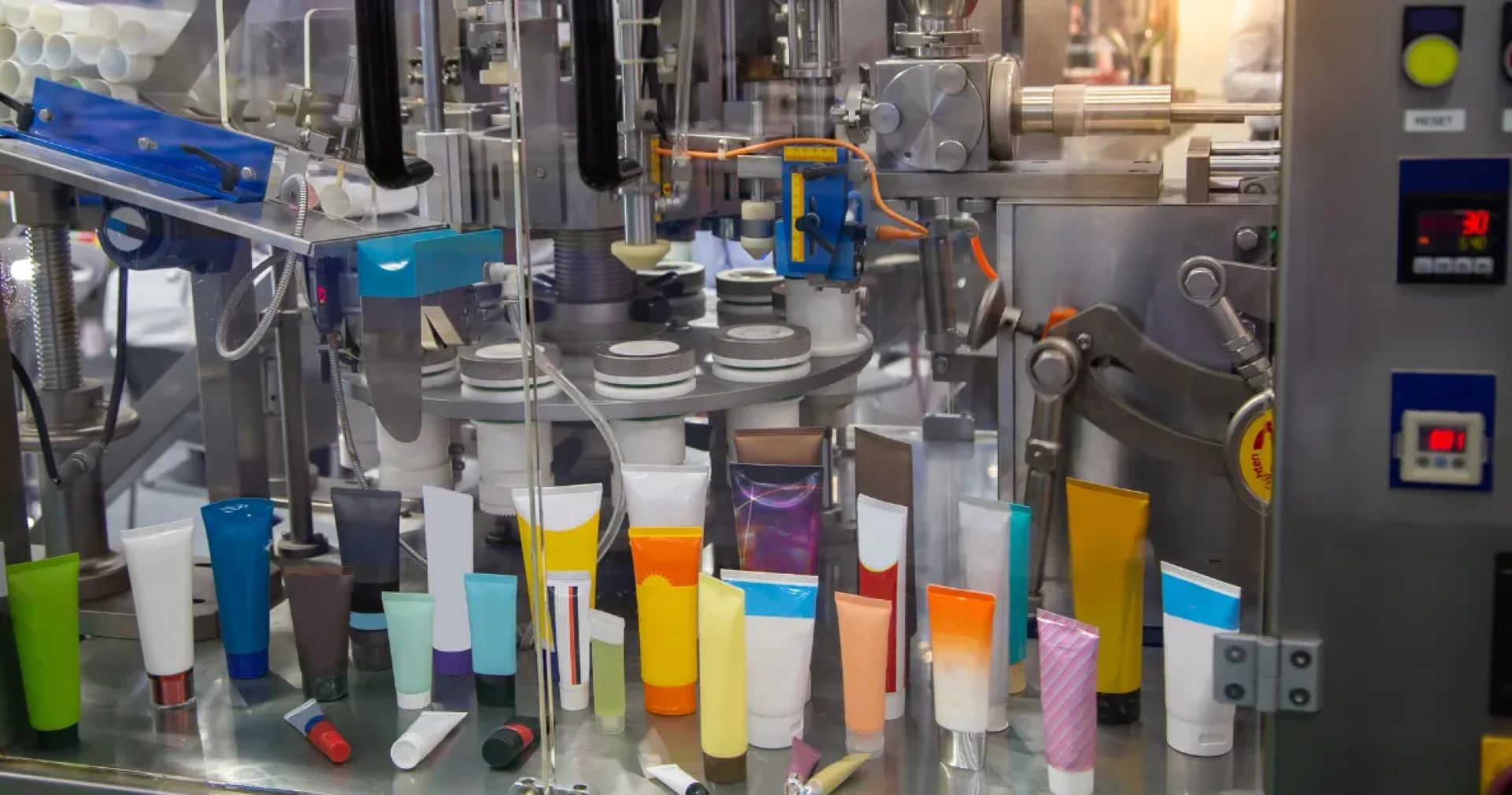
In today’s competitive beauty industry, consumers expect safe, effective, and high-performing products. For skin care products manufacturers, quality testing is not just a regulatory requirement—it is the foundation of brand trust and long-term success. Whether launching a new serum, moisturizer, or sunscreen, ensuring product safety and performance through rigorous testing is essential.
For brands partnering with private label skin care manufacturers, understanding the importance of quality testing can help avoid costly recalls, customer dissatisfaction, and reputational damage. At AVN Footsteps, quality testing plays a central role in delivering reliable and compliant skin care solutions to clients across markets.
The Importance of Quality Testing in Skin Care Manufacturing
Skin care products are applied directly to the skin, making safety and efficacy critical. Poorly tested products can cause irritation, allergic reactions, contamination, or even long-term skin damage.
Quality testing ensures:
- Product safety for different skin types
- Stability and shelf-life consistency
- Compliance with regulatory standards
- Accurate labeling and ingredient claims
- Consistent product performance
For professional skin care products manufacturers, maintaining high testing standards builds credibility and strengthens partnerships with growing beauty brands.
Types of Quality Testing in Skin Care Manufacturing
To guarantee safety and performance, multiple tests are conducted during product development and production.
1. Raw Material Testing
Before production begins, every ingredient is tested for purity, safety, and compliance. This ensures that only high-quality raw materials are used in the formulation process.
2. Microbiological Testing
Skin care products must be free from harmful bacteria, yeast, and mold. Microbial testing ensures that formulations remain safe throughout their shelf life.
3. Stability Testing
Stability testing evaluates how a product performs under different temperature and humidity conditions. This helps determine shelf life and ensures the product maintains its texture, fragrance, and effectiveness.
4. Compatibility Testing
Packaging compatibility tests confirm that containers do not react with the formulation, preserving product integrity.
5. Dermatological Testing
Patch testing or dermatological testing ensures the product is safe for topical application and reduces the risk of irritation.
Reputable private label skin care manufacturers integrate all these testing stages into their production workflow to maintain global quality standards.
Regulatory Compliance and Certification
Quality testing also ensures compliance with industry regulations and certifications. In India, skin care manufacturers must adhere to guidelines set by the Central Drugs Standard Control Organization (CDSCO) and follow Good Manufacturing Practices (GMP).
International markets may require compliance with FDA regulations (USA) or EU cosmetic regulations. For brands planning to expand globally, partnering with experienced skin care products manufacturers simplifies the compliance process.
At AVN Footsteps, strict adherence to regulatory frameworks ensures that products meet both domestic and international standards, making global distribution smoother for partner brands.
How Quality Testing Protects Your Brand Reputation
In the digital age, a single negative review can significantly impact brand perception. Quality testing helps prevent issues such as:
- Product contamination
- Inconsistent texture or fragrance
- Premature product expiration
- Skin irritation complaints
Brands working with professional private label skin care manufacturers benefit from established quality control systems that minimize these risks.
Reliable testing procedures not only protect consumers but also safeguard the brand’s image, fostering long-term customer loyalty.
The Role of R&D in Quality Assurance
Research and Development (R&D) is closely linked to quality testing. Advanced laboratories continuously evaluate new formulations, ingredient combinations, and preservation systems.
Strong R&D support ensures:
- Innovative yet safe formulations
- Improved product performance
- Compliance with evolving regulations
- Adaptability to changing consumer trends
Experienced skin care products manufacturers invest heavily in R&D to stay competitive while maintaining strict safety standards.
Why Brands Should Choose Tested Private Label Manufacturers
If you are launching or scaling a beauty brand, choosing the right partner is crucial. Established private label skin care manufacturers offer:
- End-to-end quality control
- Certified manufacturing facilities
- Batch-wise testing documentation
- Transparent quality assurance processes
- Consistent large-scale production
At AVN Footsteps, quality testing is integrated into every stage—from raw material sourcing to final packaging—ensuring each product meets stringent safety benchmarks.
Long-Term Business Benefits of Quality Testing
Investing in quality testing offers long-term advantages such as:
- Reduced risk of recalls
- Increased customer satisfaction
- Higher repeat purchase rates
- Easier regulatory approvals
- Stronger distributor confidence
For growing brands, working with reliable skin care products manufacturers that prioritize quality assurance can be the difference between short-term sales and sustainable growth.
Conclusion
Quality testing is not an optional step in skin care manufacturing—it is a necessity. From ensuring consumer safety to protecting brand reputation and maintaining regulatory compliance, thorough testing is vital for success in the beauty industry.
For brands seeking dependable private label skin care manufacturers, choosing a partner like AVN Footsteps ensures that every formulation undergoes rigorous testing and quality control. With strong R&D capabilities, compliance expertise, and commitment to excellence, AVN Footsteps helps brands deliver safe, effective, and market-ready skin care products.
Frequently Asked Questions (FAQs)
1. Why is quality testing important for skin care products manufacturers?
Quality testing ensures product safety, stability, effectiveness, and compliance with regulatory standards, reducing the risk of consumer complaints and recalls.
2. What types of tests are conducted by private label skin care manufacturers?
Common tests include raw material testing, microbiological testing, stability testing, compatibility testing, and dermatological testing.
3. How does quality testing benefit new beauty brands?
It protects brand reputation, ensures regulatory compliance, improves product consistency, and increases customer trust.
4. Do private label skin care manufacturers provide compliance support?
Yes, reputable manufacturers assist with regulatory documentation, certifications, and adherence to national and international standards.
5. How can I choose the right skin care products manufacturer?
Look for manufacturers with GMP certification, strong R&D capabilities, transparent testing procedures, and proven industry experience.