
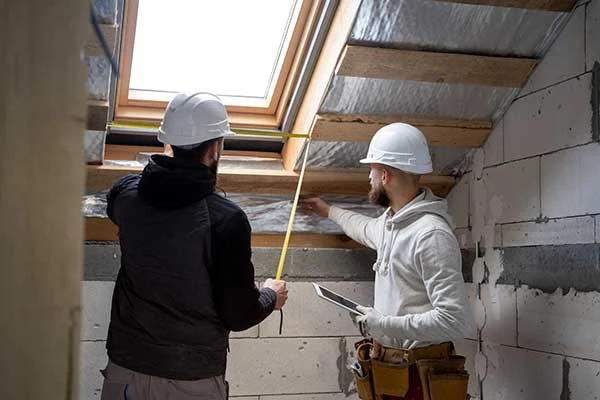
Buying a home is one of the biggest decisions a person can make in life. It is not just about choosing a house that looks good or feels right. What lies beneath the surface matters just as much. This is where a property inspection becomes important. Without it, buyers could end up with a building that has hidden problems, unexpected repair costs, or even safety risks.
This article explains why a property inspection is necessary before signing any agreements. Every point shared here is based on facts and real-world situations that homebuyers face every day in Australia.
What Is a Property Inspection?
A property inspection is a detailed check of a house or unit by someone who understands how buildings are made and what can go wrong with them. This process covers areas such as the structure, roofing, walls, plumbing, electrical systems, and signs of damage. The goal is to find issues that may not be visible during a regular house visit.
It is different from a simple walk-through. A trained inspector looks for problems such as cracks in walls, leaks, mould, roof damage, timber pests, or faults in the wiring. These problems may not seem serious at first but could lead to costly repairs later.
Why Skipping an Inspection Can Be Risky
Some buyers feel pressure to move quickly when houses sell fast. They may believe that skipping the inspection saves time or avoids missing out on a deal. But this choice often brings regret. A house can look fine at first glance but hide serious problems underneath.
According to data from the Australian Institute of Building Surveyors, many homes built more than 30 years ago show signs of wear that affect their safety or value. These include faulty plumbing, water damage, roof issues, and pest damage. Without a proper check, buyers may not find these until after the purchase.
What Areas Are Checked in a Typical Inspection?
Most property inspections cover:
- Foundation and structure
- Roof and ceiling condition
- Interior and exterior walls
- Doors and windows
- Drainage and gutters
- Plumbing and water pressure
- Electrical systems
- Heating and cooling units
- Presence of pests such as termites
Each of these elements can impact the condition of the property and its long-term maintenance costs. Inspectors also look for signs that repairs were done without proper materials or techniques.
How It Helps Buyers Make Better Decisions
An inspection report gives the buyer a clear idea of what they are buying. If the report shows serious problems, the buyer can either walk away or discuss repairs with the seller before settlement. This saves money in the long run and removes doubt about the building's condition.
Even if the home is mostly sound, small issues found during the check can be addressed early. This allows new owners to plan ahead instead of dealing with emergency repairs after moving in.
Why It Also Matters for Investment Buyers
For people buying properties to rent out or sell later, the inspection is just as important. Buildings with hidden issues can affect resale value, rental income, and even insurance coverage. In some cases, faults discovered after purchase may require urgent repairs, which delay the use of the property.
Knowing the condition of a building helps investors make clearer choices about price, return, and future costs. It is part of responsible buying, not just a box to tick.
Property Inspection Brisbane – A Timely Step for Local Buyers
In fast-growing cities like Brisbane, houses and units are often sold quickly. With this pace, it may be tempting to skip some steps just to keep up. However, a proper check of the building helps buyers avoid mistakes. Using a service that focuses on property inspection Brisbane allows people to understand exactly what they are walking into before they commit to the sale. For locals and newcomers alike, it is a step that offers peace of mind in a busy market.
What to Do After Receiving the Report
Once the inspection report is received, take the time to read it carefully. Look for items that are marked as major issues or safety concerns. If anything is unclear, it is fine to ask for more details or even get a second opinion from a tradesperson.
Then, discuss the findings with your solicitor or conveyancer. They can help you decide whether to ask for repairs, seek a price adjustment, or walk away altogether. Acting on the information is just as important as having it.
Conclusion
A home may look perfect from the outside, but the true picture comes from what is inside and under the surface. Property inspections help uncover that truth. Whether you are buying your first home, moving to a new place, or investing in real estate, this step should not be missed.
It helps people make better choices, save money on future repairs, and avoid major regrets. While the process may take a little time, it protects your hard-earned savings and supports a more informed decision when buying a place to live or invest in.