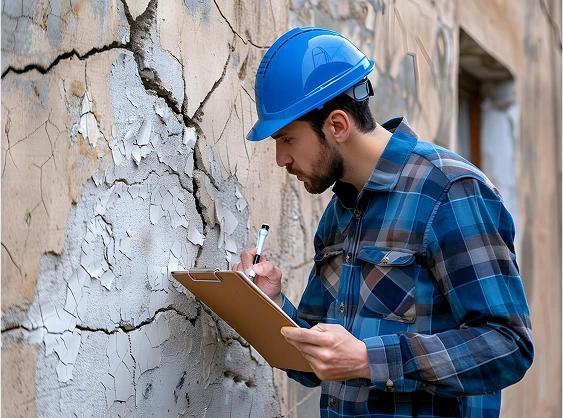

Property ownership comes with opportunity—and responsibility. Whether you manage a commercial complex, oversee a residential portfolio, or prepare for a major acquisition, understanding a building’s true condition is critical. That’s where professional property condition assessment services play a pivotal role, offering insight into structural integrity, deferred maintenance, safety concerns, and future capital needs before surprises turn into costly setbacks.
What Are Property Condition Assessment Services?
A property condition assessment (PCA) is a comprehensive evaluation of a building’s physical systems and components. Engineers and inspectors examine foundations, roofs, façades, structural framing, mechanical systems, electrical infrastructure, plumbing, and site features such as drainage or paving. The goal is to document current conditions, identify deficiencies, and estimate near-term and long-term repair costs.
Unlike simple walkthrough inspections, a formal PCA follows established standards and produces a detailed written report that stakeholders can rely on for transactions, financing, renovation planning, or risk management.
Who Benefits from a PCA?
Property condition assessments are widely used by:
- Buyers and investors to verify that an asset matches expectations before closing
- Lenders to evaluate risk and determine loan terms
- Owners and asset managers to prioritize maintenance and capital improvements
- Developers to plan renovations or repositioning strategies
- Insurers and attorneys when building performance is questioned
In many cases, these reports complement financial due diligence and appraisals, forming a bridge between engineering realities and business decisions.
Key Elements Reviewed
A thorough assessment typically includes:
- Structural systems: foundations, slabs, framing, load-bearing walls
- Building envelope: roofs, exterior walls, windows, waterproofing
- MEP systems: HVAC, electrical, fire protection, plumbing
- Life-safety features: egress paths, alarms, sprinklers
- Site conditions: grading, sidewalks, parking areas, drainage
- Code or compliance concerns where visible
Findings are organized into immediate repairs, short-term needs, and long-range capital expenditures, helping owners forecast budgets with clarity.
How PCAs Support Smarter Financial Decisions
One of the greatest advantages of property condition assessment services is their impact on negotiations and planning. Identified deficiencies can support price adjustments, repair credits, or escrow reserves during a sale. For long-term owners, the report becomes a roadmap for maintenance strategies and capital planning, reducing emergency repairs and extending building life.
They also contribute to accurate property value assessment, ensuring that physical realities—not assumptions—inform financial projections.
The Role of Engineering Expertise
High-quality PCAs are typically performed by licensed professionals with deep knowledge of building systems and failure mechanisms. In complex cases—such as aging structures, water intrusion, or suspected design flaws—firms with backgrounds similar to forensic engineering companies can add exceptional value by recognizing subtle warning signs others might miss.
A Trusted Partner in Property Evaluation
Prema Consulting Group delivers property condition assessment services grounded in technical rigor and practical insight. Their multidisciplinary engineering team evaluates assets with an owner’s long-term interests in mind—producing clear, actionable reports that help clients manage risk, protect investments, and plan confidently for the future.
When real estate decisions carry significant financial stakes, guesswork is not an option. Property condition assessments provide the clarity needed to move forward wisely—turning uncertainty into informed strategy and protecting the value of every structure you own or acquire.