In high-risk industrial environments, exposure to excessive noise can silently compromise worker health and productivity. Choosing appropriate protective solutions, such as corded earplugs, is a critical step in preserving hearing while maintaining operational efficiency. Effective hearing gear supports compliance, reduces long-term health risks, and strengthens overall workplace safety standards.
1. Noise Exposure and Occupational Risk
Industrial environments such as construction sites, manufacturing units, and energy facilities consistently generate high decibel levels that exceed safe exposure limits. Without structured hearing conservation measures, prolonged exposure can cause gradual and irreversible auditory damage. Recognizing noise as a serious occupational hazard allows organizations to implement reliable protection strategies that safeguard both employee health and operational continuity.
- Long-Term Auditory Deterioration
- Continuous exposure to loud machinery gradually damages the sensitive hair cells within the inner ear. This damage accumulates over time and often becomes noticeable only after significant loss has occurred. Preventive hearing protection reduces the risk of permanent impairment and supports long-term well-being.
- Reduced Situational Awareness
- Excessive noise interferes with verbal communication and the ability to detect warning signals. In high-risk zones, this can lead to delayed reactions and workplace accidents. Proper hearing gear ensures a balance between noise reduction and environmental awareness.
- Regulatory Compliance Obligations
- Occupational health regulations require organizations to monitor sound levels and provide adequate protective measures. Non-compliance can result in penalties and operational disruptions. A structured hearing program ensures alignment with safety standards.
- Impact on Productivity and Morale
- Persistent exposure to loud environments contributes to fatigue and mental strain. Employees may struggle to maintain focus during extended shifts. Effective hearing protection enhances comfort and supports consistent performance.
2. Functional Benefits of Reliable Hearing Protection
Reliable hearing protection is designed not only to block harmful noise but also to ensure comfort and practicality for daily use. Selecting high-quality solutions helps organizations build a dependable safety framework that employees can trust and consistently follow.
- Effective Noise Attenuation Performance
- Advanced hearing gear reduces damaging sound frequencies while preserving speech clarity. This allows employees to communicate effectively without exposing themselves to harmful decibel levels. Balanced attenuation supports both safety and operational coordination.
- Secure and Comfortable Fit
- Comfort significantly influences consistent usage. Ergonomically designed ear protection minimizes irritation and pressure within the ear canal. A secure fit ensures dependable protection throughout demanding shifts.
- Reusability and Hygiene Control
- In industrial settings, protective equipment must withstand dust, oil, and contaminants. Durable hearing gear allows for easy cleaning and repeated use without compromising safety performance.
- Accessibility In Dynamic Work Zones
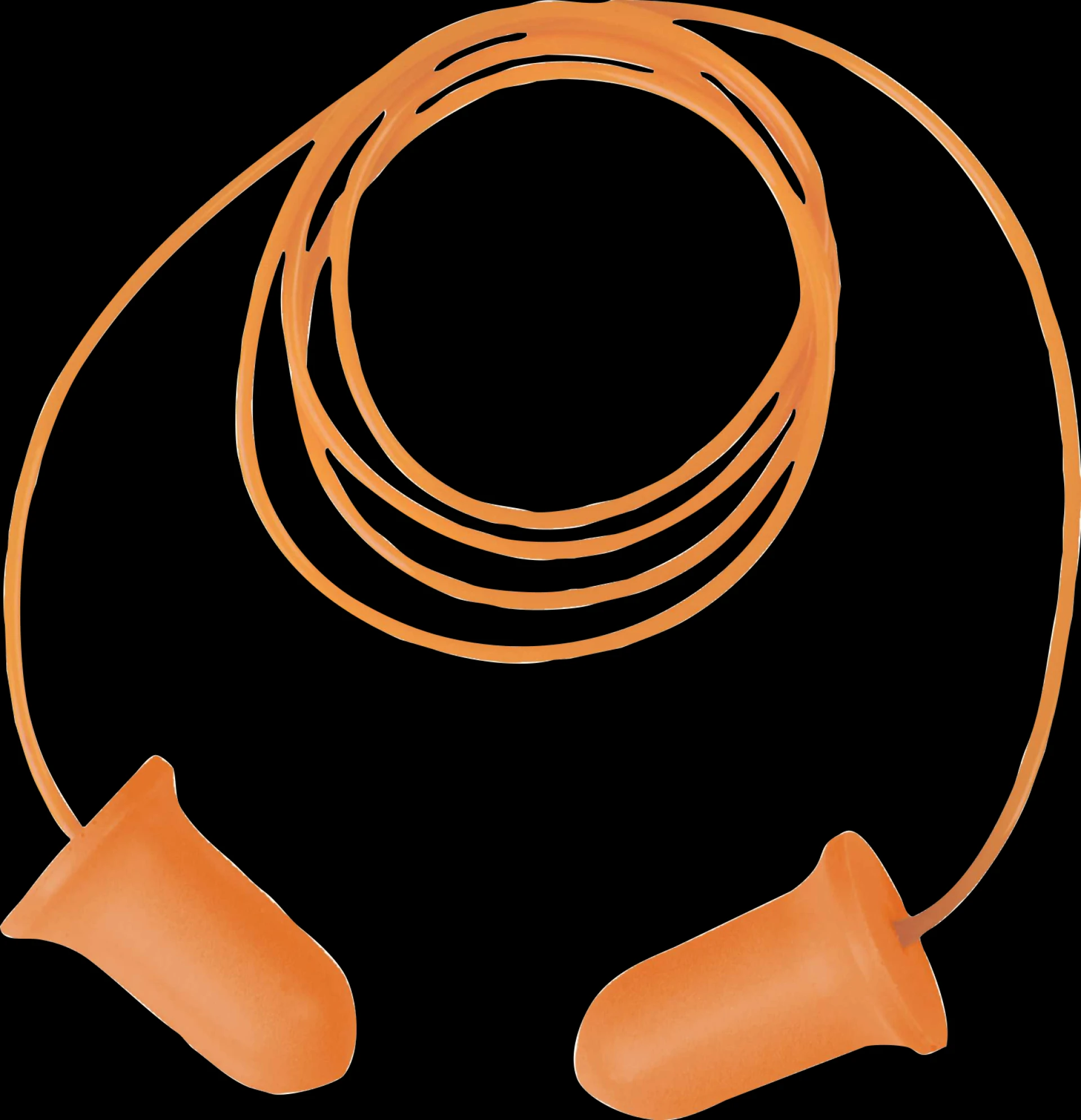
- Workers often transition between quiet and noisy areas. Solutions attached with cords prevent loss and ensure accessibility during rapid movement across workstations. In regions with expanding safety standards, demand for certified corded earplugs UAE reflects increased awareness of hearing conservation needs.
3. Industry-Specific Applications and Operational Demands
Different industries generate unique noise profiles that require tailored protective strategies. From heavy machinery operations to continuous assembly processes, hearing protection must align with specific environmental risks and operational conditions.
- Construction And Infrastructure Projects
- Demolition equipment, drills, and heavy vehicles produce unpredictable noise peaks. Reliable hearing gear minimizes cumulative exposure and supports worker safety across project timelines.
- Energy and Heavy Manufacturing Facilities
- Power generation and processing units operate with turbines and mechanical systems that emit sustained high decibel levels. Within structured safety programs, corded earplugs provide convenient and reliable protection for personnel operating in demanding zones.
- Transportation and Logistics Hubs
- Warehouses and distribution centers involve constant engine noise and mechanical handling equipment. Hearing protection ensures that workers remain alert while coordinating complex operations.
- Metal and Fabrication Industries
- Grinding and cutting processes generate sharp, intense sound frequencies. Effective protective equipment reduces the risk of hearing damage while maintaining productivity.
4. Integrating Hearing Protection into Workplace Culture
Establishing a strong hearing conservation program requires more than distributing protective gear. It involves building awareness, enforcing compliance, and aligning protection strategies with broader safety initiatives.
- Employee Education and Training
- Training programs inform workers about the risks associated with prolonged noise exposure. Awareness initiatives encourage consistent use of protective equipment and strengthen safety accountability.
- Routine Noise Monitoring Systems
- Periodic sound assessments help identify high-risk zones within facilities. Monitoring ensures that hearing protection strategies remain aligned with operational changes and regulatory standards.
- Supervisory Reinforcement and Compliance Checks
- Supervisors play an essential role in reinforcing protective practices. Visible enforcement promotes consistent adherence to hearing safety guidelines.
- Alignment With Broader Safety Equipment Programs
- Hearing protection works most effectively when integrated with helmets, eye protection, and respiratory systems. A coordinated approach enhances overall workplace defense.
5. Long-Term Organizational and Human Impact
Prioritizing hearing protection yields long-term benefits that extend beyond immediate compliance. Organizations that invest in reliable safety solutions build resilient workforces and sustainable operational systems.
- Reduced Occupational Health Claims
- Preventive measures significantly decrease the likelihood of compensation claims related to hearing damage. Early protection minimizes long-term financial liabilities.
- Improved Workforce Stability
- Employees value employers who prioritize health and safety. Strong protection policies foster trust and enhance retention rates.
- Enhanced Operational Accuracy
- Reduced auditory fatigue improves communication and task precision. Clear hearing supports better teamwork and coordination.
- Strengthened Corporate Reputation
- Commitment to rigorous safety standards enhances credibility within the industry. Organizations known for comprehensive protection programs gain competitive advantages.
Conclusion
Protecting workers from hazardous noise exposure requires more than meeting minimum compliance standards; it demands a proactive investment in high-performance hearing solutions that ensure durability, comfort, and consistent protection. Organizations that prioritize advanced safety equipment demonstrate a commitment to both employee well-being and long-term operational excellence.
For businesses seeking dependable and certified solutions, partnering with an established safety specialist makes a measurable difference. With a strong global presence and a reputation for engineering excellence, Delta Plus delivers innovative hearing protection products designed to perform reliably in demanding industrial environments. From quality-tested materials to compliance-driven designs, the company supports organizations in building safer, more resilient workplaces with trusted solutions such as certified corded earplugs UAE, ensuring both regulatory alignment and workforce confidence.