
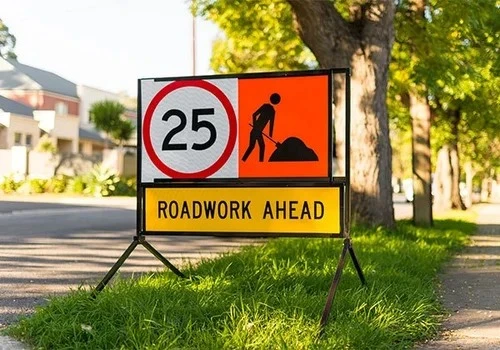
Traffic management plays a critical role in keeping worksites, road users, and pedestrians safe. Whether the project involves construction, utilities, civil works, or maintenance, managing vehicle and pedestrian movement correctly is not optional—it is a legal and safety requirement. Poorly planned traffic control can result in serious accidents, project delays, and regulatory penalties.
This is why many organisations rely on TGS Traffic Management services to ensure that every aspect of traffic flow is handled professionally and in line with Australian standards. Effective traffic guidance schemes help minimise disruption while maintaining safety for everyone involved.
The Growing Complexity of Urban Traffic Environments
As cities continue to grow, traffic environments become more complex. High vehicle volumes, mixed road users, and limited space increase the risk of incidents when works are carried out near active roads. Temporary traffic arrangements must adapt to constantly changing conditions without compromising safety.
For projects operating in busy metropolitan areas, TGS Melbourne services provide structured solutions tailored to local road conditions, council requirements, and peak traffic patterns. This localised expertise helps reduce congestion and ensures worksites integrate smoothly into the surrounding environment.
Why Traffic Management Planning Cannot Be Overlooked
Traffic management is not simply about placing cones and signs. It requires detailed planning that considers traffic flow, pedestrian access, emergency vehicle movement, and worker safety. Every site presents unique challenges that must be addressed through a carefully designed plan.
Understanding Traffic Management Plan Cost is an important part of project budgeting. While some may view traffic planning as an added expense, it is far more cost-effective than dealing with accidents, fines, or project shutdowns caused by non-compliance or unsafe conditions.
The Importance of Risk Assessment in Traffic Control
Risk assessment is a fundamental component of any effective traffic management strategy. It identifies potential hazards, evaluates the likelihood of incidents, and outlines control measures to reduce risk. Without proper assessment, even well-intentioned traffic arrangements can fail.
A thorough Traffic Management Plan Risk Assessment ensures that all foreseeable risks are addressed before work begins. This proactive approach protects workers, motorists, cyclists, and pedestrians while also demonstrating due diligence to regulatory authorities.
Compliance and Legal Responsibilities for Worksites
Traffic management is governed by strict regulations and industry standards. Failure to comply can result in penalties, liability issues, and reputational damage. Site managers and contractors are legally responsible for ensuring traffic control measures meet required guidelines.
Professional traffic management providers stay up to date with changing regulations and standards. This expertise helps ensure that worksites remain compliant throughout the project lifecycle, even as conditions evolve.
Reducing Disruption While Maintaining Safety
One of the biggest challenges in traffic management is balancing safety with efficiency. Poorly designed traffic control can cause unnecessary congestion, frustrating road users and nearby residents. Effective planning minimises delays while still prioritising safety.
Well-executed traffic guidance schemes keep traffic moving smoothly, reduce confusion, and improve public perception of the project. Clear signage, logical lane arrangements, and trained traffic controllers all contribute to better outcomes.
Supporting a Wide Range of Projects
Traffic management services are required across many industries, including construction, utilities, telecommunications, and events. Each sector has different operational needs and risk profiles, which means a one-size-fits-all approach is rarely effective.
Customised traffic management solutions ensure that plans align with the specific requirements of each project. This flexibility is essential for maintaining safety and efficiency across diverse work environments.
The Value of Experience and Professional Oversight
Experience matters when it comes to traffic management. Anticipating potential issues, adapting to unexpected changes, and coordinating with multiple stakeholders all require practical knowledge gained through real-world projects.
Professional oversight ensures that traffic management plans are implemented correctly on-site and adjusted as needed. This hands-on approach reduces the likelihood of errors and enhances overall safety performance.
Conclusion: Building Safer Worksites Through Strategic Traffic Planning
Effective traffic management is a critical foundation for safe, compliant, and efficient worksites. From planning and risk assessment to on-site execution, every detail matters when managing traffic around active work zones.
By engaging experienced professionals, project managers can reduce risk, control costs, and ensure compliance with regulatory requirements. For organisations seeking reliable, well-structured traffic management solutions, OnPoint TGS Plans deliver expert guidance designed to protect people, projects, and public safety.