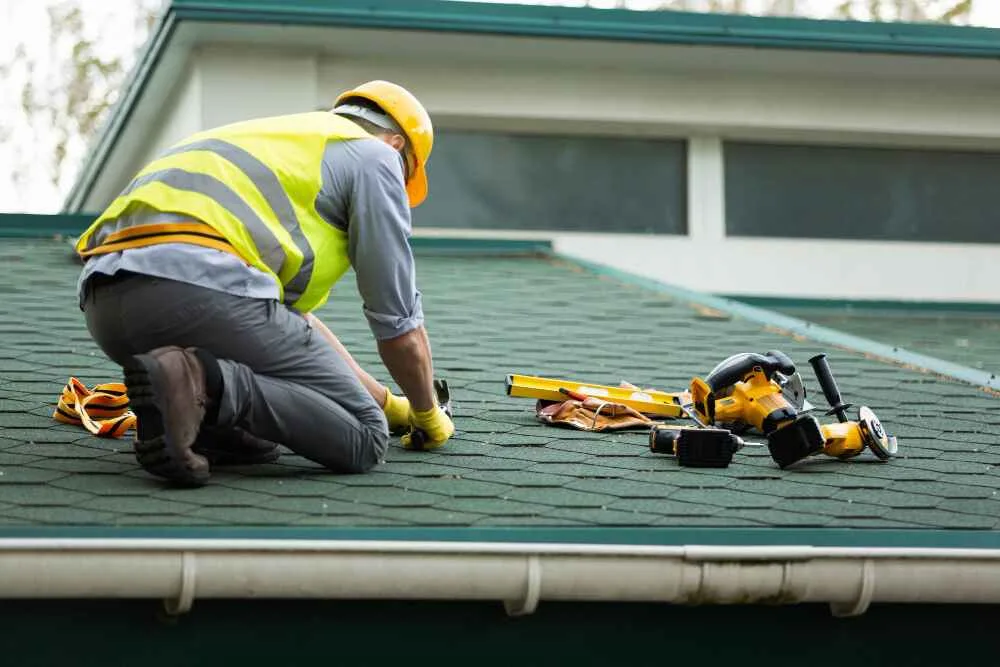
A roof does a lot of quiet work. It shields your home from rain, wind, heat, and debris while helping regulate indoor comfort and protecting everything underneath it. Because it is easy to forget about until something goes wrong, many homeowners only think about roofing after they spot a leak, missing shingles, or water stains on the ceiling.
That reactive approach can get expensive fast. A more practical strategy is to stay ahead of problems with routine inspections, seasonal upkeep, and timely repairs. When homeowners treat roof care as part of regular home maintenance, they often avoid bigger headaches and extend the life of the entire exterior.
Small Roofing Issues Rarely Stay Small
One of the biggest misconceptions about roof problems is that they can wait. A loose shingle may not look urgent. A little flashing damage around a vent might seem cosmetic. A clogged gutter may feel like a minor nuisance.
In reality, roofing systems work as a whole. When one part starts to fail, nearby materials often become more vulnerable. Moisture can sneak under shingles, insulation can become damp, wood decking can weaken, and mold-friendly conditions can begin developing out of sight.
What starts as a simple repair can gradually turn into a broader exterior issue that affects:- Roof decking
- Attic ventilation
- Fascia and soffits
- Gutters and drainage
- Siding near rooflines
- Interior ceilings and walls
The longer these problems sit, the more likely they are to require more labor, more materials, and more disruption to daily life.
Seasonal Changes Put Constant Stress on a Roof
Roofs are exposed to changing weather all year. Even in areas without dramatic winters, seasonal shifts can wear down materials over time. Heat, humidity, heavy rain, wind, and falling debris all contribute to gradual deterioration.
Spring and Summer Challenges
Warmer months can create conditions that highlight hidden issues from earlier seasons. High heat can age roofing materials, and sudden storms may expose weak spots that were not noticeable before. Tree limbs, clogged valleys, and poor drainage can also become bigger concerns during storm-heavy periods.
Fall and Winter Concerns
As leaves collect and temperatures change, water management becomes more important. Gutters that do not drain properly can send water back toward the roof edge. Flashing around chimneys and vents may also become more vulnerable if sealants have started to crack or pull away.
Even when damage is not obvious from the ground, changing weather tends to reveal areas where the roof is no longer performing as well as it should.
What Homeowners Should Watch For
You do not need to be a roofing expert to notice early warning signs. A quick visual check from the ground, paired with awareness inside the home, can help you catch issues before they become major problems.
Here are a few signs worth paying attention to:- Missing, curled, or cracked shingles
- Dark streaks or visible discoloration
- Granules collecting in gutters or downspouts
- Sagging sections or uneven rooflines
- Water stains on ceilings or upper walls
- Drafts or unusual temperature swings in the attic
- Moss or algae growth in shaded areas
These signs do not always mean full replacement is needed, but they do suggest that a closer look may be worthwhile.
Regular Inspections Help You Make Better Decisions
Homeowners often feel stuck between two extremes: ignore the roof entirely or assume every issue means it is time for a replacement. In many cases, neither approach is ideal.
Routine inspections provide a more balanced path. They give homeowners a clearer picture of the roof’s current condition, the likely lifespan remaining, and the repairs that may help preserve performance. That information makes it easier to plan instead of panic.
A thoughtful inspection can help answer questions like:- Are problems limited to one area or spread across the system?
- Is water getting in, or is the issue still surface-level?
- Are the shingles aging evenly?
- Are flashing and drainage components still functioning properly?
- Would targeted repairs be enough for now?
For homeowners who want a better understanding of what to look for when evaluating roofing concerns, idealroofingandexteriors.com can offer useful context as part of that research process.
Roof Maintenance Supports the Rest of the Exterior
Roofing should not be viewed in isolation. It connects directly to other parts of the home’s exterior envelope, and neglect in one area often affects another.
For example, poor drainage from a roof can impact siding, trim, and even the foundation perimeter over time. Damaged flashing may allow moisture intrusion around chimneys or wall intersections. Inadequate ventilation can influence attic humidity, which may affect insulation performance and overall energy efficiency.
When homeowners think more broadly about exterior maintenance, roof care becomes part of a larger protective strategy. That strategy often includes:
Gutter Cleaning and Drainage Checks
Water should move away from the home efficiently. Blocked gutters and poorly directed downspouts can cause overflow and increase moisture exposure along vulnerable edges.
Debris Removal
Branches, leaves, and trapped organic matter can hold moisture against the roof surface. Keeping valleys and drainage paths clear supports better water flow.
Flashing and Seal Review
Metal flashing and sealant details around roof penetrations are easy to overlook but critical for preventing water entry.
Attic Observation
A roof can look fine from outside while ventilation or moisture issues develop inside the attic. Periodic checks can reveal signs of trouble early.
Repairing Early Often Preserves Long-Term Value
Homeownership always involves tradeoffs, and maintenance decisions are often tied to budget timing. Still, delaying necessary roof work can reduce options later. Early repairs are usually more manageable because the scope is narrower and the surrounding materials may still be in good condition.
A proactive mindset also supports long-term property value. Buyers notice signs of deferred maintenance, and roofing issues can shape how the rest of a home is perceived. Even if a sale is not on the horizon, keeping the roof in sound condition helps maintain confidence in the home as a whole.
This article is informational only and should not be taken as professional construction or financial advice. Specific roofing decisions depend on the condition, materials, and age of the property involved.
Conclusion
A roof does not need to be failing dramatically to deserve attention. In many cases, the smartest move is simply to pay attention sooner. Minor wear, drainage issues, and isolated damage are much easier to manage when caught early, and regular upkeep can help protect not just the roof itself but the entire home exterior.
For homeowners, the real value of roof maintenance is not just avoiding emergencies. It is gaining clarity, preserving performance, and making smarter decisions over time. That steady, preventative approach usually costs less stress than waiting for obvious damage to force the issue.