
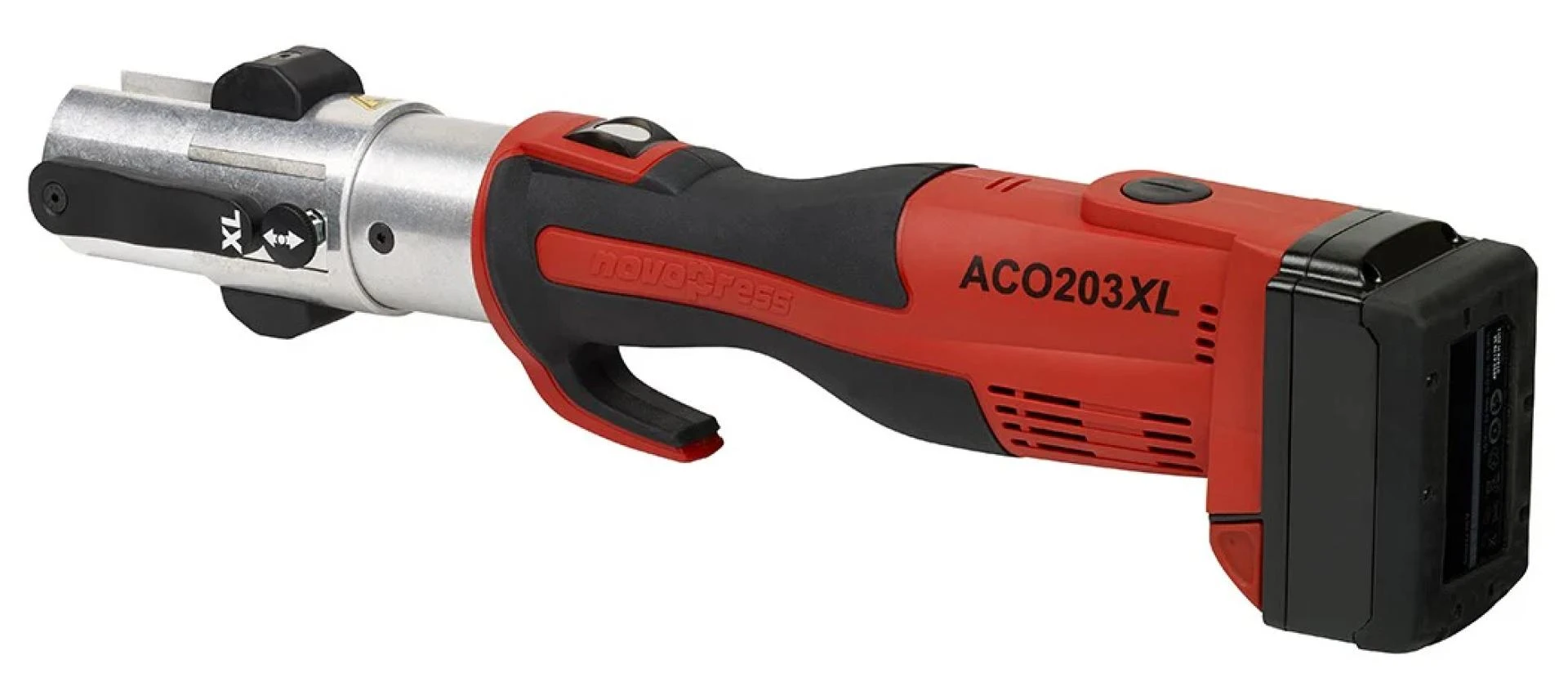
As industries and installation work become more competitive in their quest for speed and efficiency, it has become increasingly critical for companies to use technology that provides an economically viable solution while increasing workplace safety through the reduction of human error.
Traditionally, joining processes have included welding or soldering. Not only do these traditional processes take longer to complete, but they also require large amounts of labour and, as a result, produce inconsistencies in the workmanship. Therefore, as press tool technology has developed, it has been embraced by many industries as a means of creating strong, leak-proof connections.
The Design and Operation of Press Tools
Press tools create strong, leak-proof connections by utilising mechanical force to compress an appropriate fitting onto a pipe, creating an effective seal, thus eliminating the need for heat or flame. Press tools have evolved into a safer and more effective means of creating permanently leak-proof seals while increasing the quality of each joint created.
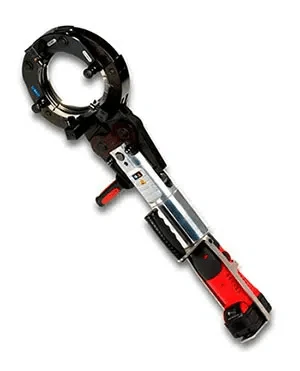
Press Tool Key Features
- Consistency in the quality of joints produced;
- Quick installation time;
- No need for solder, heat or flames to provide a strong joint connection and;
Press Tool Categories
Press Tool Categories - Press tools exist in different styles of configuration to accommodate many work environments. The following list defines the major styles of press tools:
- Manual press tool - For working in close places; does not require an electrical outlet to operate;
- Battery operated press tools - Portable and convenient; best used for jobs that need to be done out in the field;
- Hydraulic press tools - Have a high load capacity and are typically used in heavy-duty applications;
- Pneumatic press tools - Use compressed air as a power source; are very useful for repetitive work in workshops and factories.
When it comes to selecting the proper kind of tool that will be ideal for your best interests, you should keep three things in mind: the total amount of times you will be using the tool; the kind of material you will be pressing; and the amount of work you will be doing with the tool.
Applications of Press Tools
Applications of Press Tools - Press tools fit into almost every industry, such as: plumbing systems, HVAC and air conditioning systems, industrial manufacturing, and automotive/mechanical service workshops. For pneumatic press tools, having a good compressed air system is very important; accordingly, Air Energy will ensure that your compressed air is also perfect for the usage of pneumatic press tools.
The Characteristics and Factors to Consider When Purchasing Press Tools
When purchasing press tools, look for the following characteristics and factors:
- Press jaws and dies (made specifically for particular types of pipe materials and sizes)
- Power source (manual, battery, hydraulic or pneumatic)
- Ergonomic design (reduces operator fatigue)
- Built-in safety indicators (indicates that the pipe and jaws are aligned correctly and have pushed down correctly)
- Build quality (to ensure tool accuracy, repeatable results and long tool life)
The Benefits of Using Press Tools
Press tools, when compared to traditional joining methods, can save installation costs as follows:
- they reduce labour hours for installation compared to traditional joining methods,
- create uniform, leak-tight joints,
- enhance safety practices at construction sites,
- require less training to obtain consistent results, and
- reduce long-term operating expenses.
Thanks to these benefits, press tools become an option favoured by professional installers when remote cost-effectiveness is a concern.
How to Choose the Appropriate Press Tool
In choosing the right press tools, it is important to consider:
- the material used to fabricate the pipe (copper, stainless steel, or plastic),
- pipe size and diameters compatible with jaws,
- Required force to compress the joint,
- whether or not the tool will be used frequently and
- whether or not the user requires advice from their pipe supplier(s) about how to best match their pipe systems with the respective press tool(s).
Best Practices for Installation
To maximize the performance of your Press Tools:
- Ensure the correct jaw for the application is selected
- Properly align fittings for pressing
- Follow the manufacturer's guidelines
- Verify that the joint is secure after pressing
By using proper technique, you will achieve consistent and dependable results.
Maintenance & Safety Tips
To increase the life of your tool and ensure safety while using it:
- Clean your tool after each use
- Regularly inspect the jaws and tool components
- Keep in a protective case when not in use
- Always wear appropriate PPE
- Regularly schedule for servicing
Summary
The Press Tool industry has revolutionized the way we perform installation work by providing speed, accuracy, and dependability without sacrificing safety. Proper tool selection and practiced maintenance will allow professionals to significantly increase their productivity and system efficiency.
For the most knowledgeable and dependable air and energy solutions to support Professional Press Tools, Air Energy is your best and most trustworthy partner when it comes to Industrial and Commercial applications.