Introduction
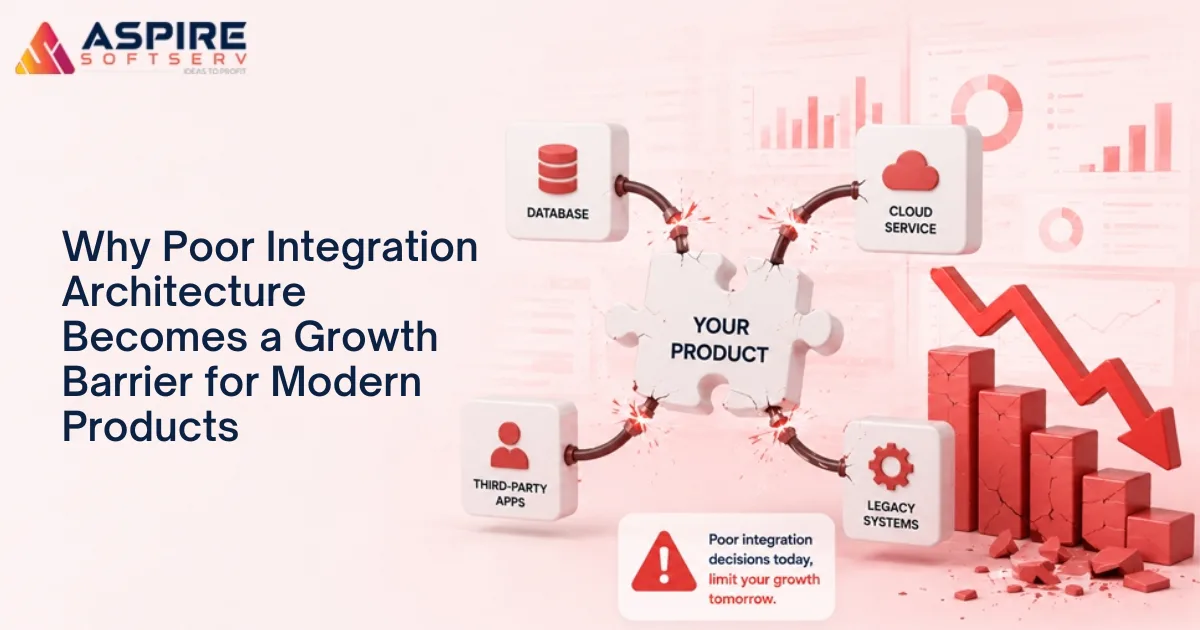
Building a successful software product requires more than delivering innovative features and attracting users. As products evolve, the ability to scale efficiently becomes equally important. One of the most overlooked factors affecting scalability is integration architecture—the framework that connects internal systems, third-party platforms, APIs, databases, and business applications.
In the early stages of growth, many companies prioritize speed over long-term maintainability. Integrations are often implemented quickly to meet immediate business needs. While this approach may accelerate product launches, it can create architectural challenges that become increasingly difficult to manage as the product grows. Over time, these issues can impact performance, increase operational costs, and slow innovation.
This is why businesses increasingly rely on Product engineering services to build integration ecosystems that support long-term scalability. Strong integration architecture creates a foundation for sustainable growth, while poor integration decisions can quietly become a major obstacle.
Why Integration Decisions Matter
Integration architecture directly influences how efficiently a product can adapt to new business requirements and customer expectations.
A well-designed integration strategy helps organizations:
- Accelerate feature delivery
- Improve scalability and reliability
- Simplify customer and partner onboarding
- Reduce operational and maintenance costs
When integrations are not designed strategically, these advantages become difficult to achieve, leading to slower growth and increased complexity.
The Hidden Impact of Weak Integrations
Many integration challenges remain invisible until a product begins to scale. Systems that perform adequately with a small user base may struggle when transaction volumes increase or when additional services need to be connected.
One common issue is tight coupling between applications. When systems become overly dependent on one another, even minor changes can trigger widespread disruptions. Similarly, poor API governance can create compatibility issues that make future enhancements more difficult and expensive.
As products grow, these architectural weaknesses often result in delayed releases, rising technical debt, and increased operational overhead.
Common Signs of Integration-Related Growth Challenges
Organizations experiencing integration bottlenecks often notice:
- Slower product release cycles
- Increasing engineering effort for maintenance
- Frequent integration-related incidents
- Difficulty onboarding new partners or services
These issues are often symptoms of deeper architectural limitations rather than isolated technical problems.
Why Scalability Depends on Integration Strategy
Scalability is not simply about handling higher traffic volumes. It requires systems that can evolve without introducing unnecessary complexity. Products that rely on fragile integrations often struggle to support growth because every new capability adds additional dependencies.
This is where Product Strategy and consultancy plays a critical role. By aligning technology decisions with long-term business goals, organizations can build integration frameworks that remain effective as products expand.
A scalable integration strategy helps businesses:
- Launch new services faster
- Expand into new markets efficiently
- Reduce risk associated with system changes
- Improve operational flexibility
Companies that invest in integration planning early are typically better prepared to manage growth without significant architectural rework.
The Challenge of Third-Party Dependencies
Modern software products depend heavily on external providers for services such as payments, messaging, analytics, authentication, and customer engagement. While these integrations accelerate development, they can also introduce complexity if not managed correctly.
Many organizations create direct integrations with external providers without considering future changes. As the number of vendors grows, maintaining these connections becomes increasingly challenging. Vendor updates, API changes, or service outages can have a direct impact on product performance.
Without a structured approach, businesses may face:
- Unexpected service disruptions
- Increased maintenance costs
- Vendor lock-in risks
- Growing technical debt
A flexible integration layer helps organizations reduce dependency risks while maintaining business agility.
The Role of Data in Integration Success
Data consistency is essential for effective decision-making. However, when multiple systems store and process information differently, organizations often struggle with fragmented data and unreliable reporting.
Poor integration practices can lead to duplicated records, conflicting information, and increased manual effort. Over time, these issues undermine confidence in analytics and make it more difficult to identify growth opportunities.
The consequences often include:
- Inaccurate reporting
- Slower business decisions
- Reduced operational efficiency
- Lower stakeholder confidence
Establishing clear integration standards helps ensure that data remains accurate and accessible across the organization.
How Modern Software Product Development Addresses Integration Challenges
Successful Software Product Development focuses not only on delivering functionality but also on building systems that can evolve over time. Modern architectures prioritize flexibility, resilience, and maintainability to reduce the risks associated with growth.
Rather than creating tightly connected systems, organizations increasingly adopt scalable integration approaches that allow services to operate independently while maintaining reliable communication.
Popular strategies include:
- API-first development
- Event-driven architecture
- Automated integration testing
- Standardized data models
- Advanced observability and monitoring
These practices help businesses reduce technical debt while improving long-term scalability.
Recognizing When It's Time to Act
Integration issues rarely appear overnight. They develop gradually as products become more complex and customer expectations continue to grow.
Business leaders should evaluate their integration architecture when they notice recurring operational challenges or declining development efficiency. Delaying action often increases remediation costs and limits future growth opportunities.
Some common warning signs include:
- Feature development is slowing down
- Customer onboarding requires excessive effort
- Production incidents frequently involve integrations
- Engineering teams spend more time troubleshooting than innovating
Addressing these issues early helps prevent integration bottlenecks from becoming business bottlenecks.
Building an Integration Framework for Sustainable Growth
Organizations that scale successfully view integrations as strategic assets rather than technical necessities. They invest in architecture, governance, testing, and monitoring processes that support both current operations and future expansion.
By leveraging experienced Product engineering services, businesses can create integration ecosystems that support growth while minimizing operational complexity. Combined with expert Product Strategy and consultancy, this approach enables organizations to build adaptable products capable of responding to changing market demands.
Strong integration architecture creates the flexibility needed to introduce new capabilities, support larger user bases, and maintain high levels of performance as products evolve.
Conclusion
Poor integration architecture is one of the most common yet overlooked barriers to product growth. While integration shortcuts may appear beneficial in the short term, they often create long-term challenges that affect scalability, operational efficiency, and customer experience.
Organizations that prioritize integration strategy gain a significant competitive advantage. Through modern Software Product Development, strategic Product Strategy and consultancy, and specialized Product engineering services, businesses can build products that scale efficiently without accumulating excessive technical debt.
Ultimately, sustainable growth depends on more than product features. It requires a strong integration foundation capable of supporting future innovation, expansion, and business success.
Frequently Asked Questions
1. How does poor integration architecture affect product growth?
Poor integration architecture can slow development, increase maintenance costs, reduce scalability, and negatively impact customer experience.
2. Why are integrations important in Software Product Development?
Integrations enable systems and applications to communicate effectively, supporting scalability, reliability, and long-term product success.
3. What are the most common integration challenges?
Common challenges include tight system coupling, poor API governance, inconsistent data models, third-party dependency risks, and limited visibility into system performance.
4. How can Product engineering services improve integration performance?
Product engineering services help organizations design scalable architectures, implement integration best practices, improve reliability, and reduce technical debt.
5. When should companies seek Product Strategy and consultancy for integration issues?
Businesses should consider Product Strategy and consultancy when integration complexity begins affecting product scalability, development speed, customer onboarding, or operational efficiency.