Introduction
Modern buildings do more than look good. They must work well, last long, and use resources wisely. A key part of that is plumbing. Without smart plumbing, a project can face leaks, inefficiencies, high costs, and delays. That’s why plumbing design consultancy is essential.
At Five Flow Infra, we’ve worked on many construction projects, commercial, residential, and industrial, where having good plumbing design solutions made all the difference. In this article, I’ll share what a plumbing design consultant does, why they matter, and how they help builders, architects, contractors, and decision-makers succeed.
What Is Plumbing Design Consultancy?
A plumbing design consultant is a specialist who plans, designs, and oversees the plumbing systems in a building. This includes water supply, drainage, sanitation, waste removal, fire safety, plumbing, and sometimes sustainable features like rainwater harvesting or greywater systems.
These consultants work closely with architects, MEP teams, contractors, and regulators to make sure the plumbing integrates well functionally, structurally, and legally.
Key Roles & Benefits
Here are concrete ways in which plumbing design consultancy acts as the backbone of modern construction:
1. Ensuring Regulatory Compliance and Safety
Every region has building codes, water standards, safety rules, and environmental regulations. Consultants know these laws. They make sure designs meet them. This avoids approvals being delayed or rejected and prevents costly rework or legal issues.
2. Efficient Design & Cost Savings
Consultants optimize layouts of pipes and fixtures so that water flows efficiently, pressure is maintained, and waste is minimized. Fewer materials wasted. Less labor is needed. Lower utility bills. Once, a project without a consultant design had to redo piping due to high-pressure problems. That cost far more than the consultancy fee would have.
3. Integration with Other Systems
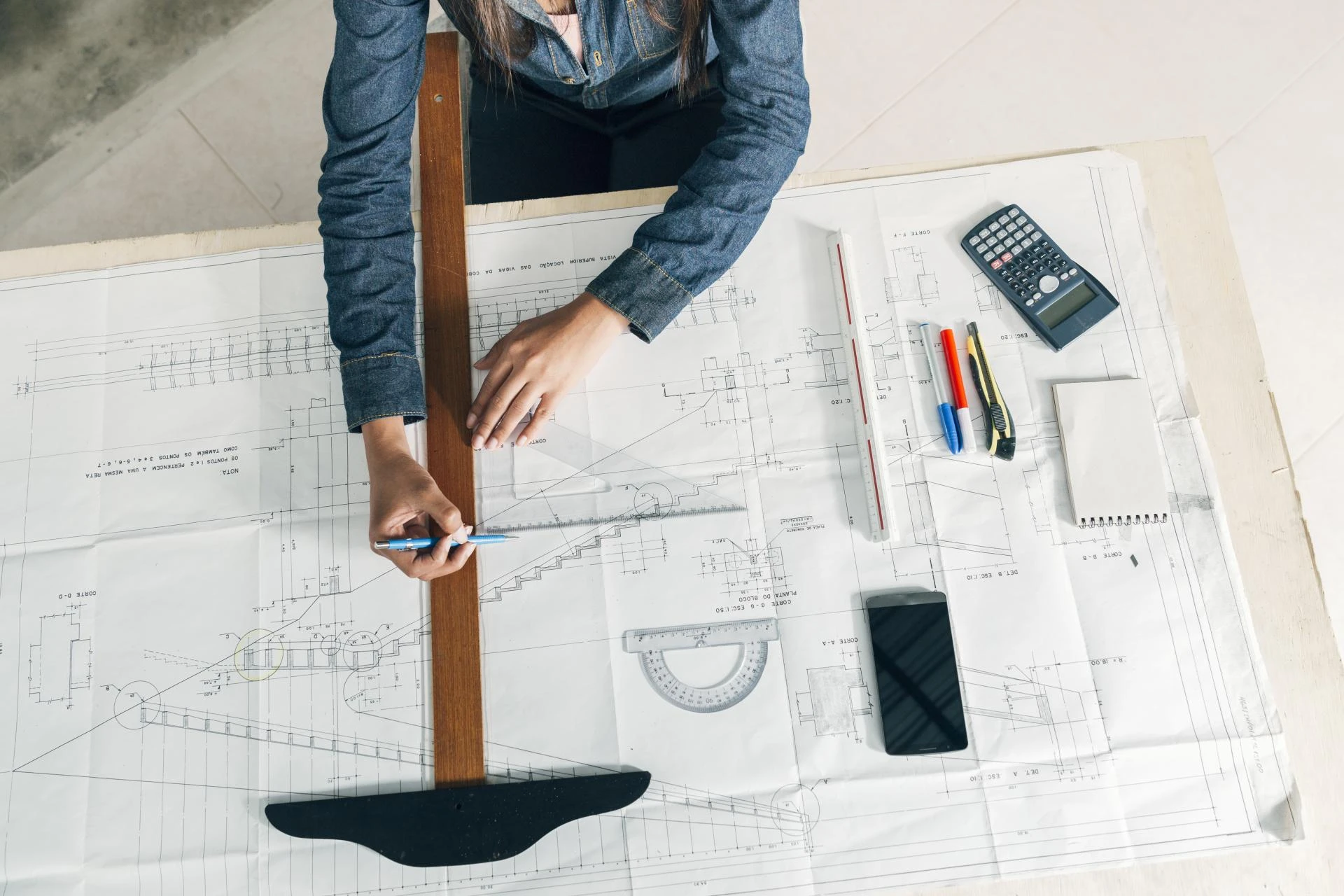
Modern buildings have many systems: HVAC, electrical, structural, and fire safety. Plumbing must work with all of them. A plumbing design consultant ensures that plumbing routes don’t clash with beams, ducts, wiring, or safety access. They use tools (sometimes BIM or 3D modelling) to coordinate. This reduces conflicts during construction.
4. Sustainability and Resource Efficiency
Sustainability is no longer optional. Plumbing design consultants help include sustainable plumbing systems: low-flow fixtures, dual-flush toilets, rainwater harvesting, greywater reuse, energy-efficient pumps, and sensor-based fixtures. These save water and energy and often help buildings meet green certification.
5. Improving Durability and Reducing Maintenance
The right materials, correct installation guidance, and proper specification of fixtures and pipes help a plumbing system last longer. Less leakage, fewer breakdowns, and less frequent replacement. That reduces long-term costs and improves reputation for builders and property owners.
6. Project Timeline & Risk Management
By identifying challenges early, like site constraints, water source issues, and required permits, a plumbing consultant helps mitigate risk. Construction flows smoothly. Fewer surprises. Deadlines are more likely to be met.
7. Enhancing User Experience and Property Value
Buildings with good plumbing design offer better water pressure, less noise, fewer issues, and cleaner drainage. Occupants are happier. Maintenance costs stay low. Over time, good plumbing becomes a selling point. Developers can command higher rents or resale value.
Real-World Examples & LSI Insights
- BIM / 3D Modelling helps detect clashes early. Spark IM notes its importance for collaboration, cost savings, and avoiding mistakes.
- Engineers using smart fixtures and sensors reduce water waste, automate leak detection, and make systems more responsive.
- Projects that integrate sustainability (rainwater harvesting, low flow) meet environmental standards and yield long-term savings.
These practices support the value that plumbing design consultancy delivers.
How Five Flow Infra Implements These Principles
Here’s how we (at Five Flow Infra) make sure plumbing design consultancy isn’t just a checkbox but a core part of construction success:
- We begin with thorough site assessments. We check the water source, pressure, topography, and local codes.
- We use design tools to produce clear layouts and 3D drawings that integrate with architects’ plans.
- We recommend materials suited to local conditions (e.g., pipe materials that resist corrosion, quality fixtures).
- We always suggest sustainable plumbing features where feasible.
- We coordinate closely during construction to ensure the design is followed and offer supervision/inspections.
Challenges & What to Watch Out For
Even the best systems can be compromised by poor execution. Some common pitfalls:
- Using low-quality materials to cut costs short term, which causes issues later.
- Ignoring local regulations or not keeping up with code changes.
- Poor coordination with other systems leads to conflicts.
- Underestimating the importance of maintenance access and durability.
A good plumbing design consultant anticipates these and plans to avoid them.
Conclusion
In modern construction, plumbing is much more than hidden pipes. It is a foundation of safety, efficiency, sustainability, and user comfort. Without proper plumbing design consultancy, projects risk cost overruns, failures, delays, and unhappy occupants.
At Five Flow Infra, we believe plumbing design solutions are essential to every construction project, commercial or residential. When you plan well, use good materials, integrate sustainability, and coordinate carefully, you build not just for today but for decades ahead.
If you’re starting a new building project or upgrading existing infrastructure, partner with a plumbing design consultant who cares. Let us at Five Flow Infra help you build stronger, smarter, and more resilient structures.