
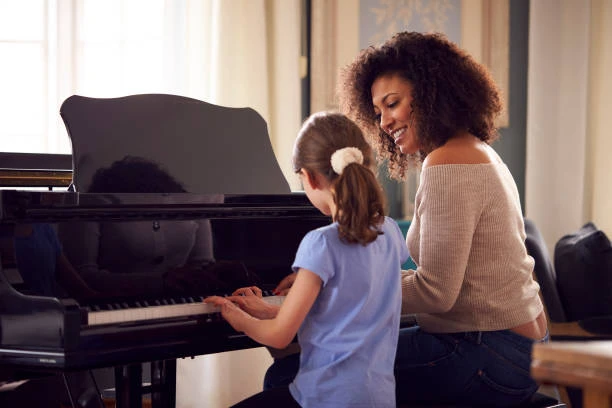
In today’s world of endless screen time and packed school schedules, finding an activity that is both enriching and enjoyable for kids can feel like a real challenge. But one timeless option continues to stand out: piano classes for kids.
Learning to play the piano isn’t just about hitting the right notes. It’s a powerful way to boost your child’s creativity, discipline, and confidence — all while having fun. Whether your child is a total beginner or already experimenting with melodies at home, structured piano lessons can open the door to lifelong benefits.
Building a Strong Foundation Early
Starting piano classes at a young age helps children build a strong musical foundation. Early exposure to music sharpens their listening skills, develops their sense of rhythm, and trains their memory. These early gains often translate into success in other areas too — especially academics.
In fact, studies have shown that kids who study music tend to perform better in math, reading, and language arts. Why? Because music, especially piano, stimulates multiple areas of the brain at once, including those responsible for logic, coordination, and emotional intelligence.
Boosting Confidence and Self-Esteem
One of the biggest emotional benefits of piano classes for kids is the boost in confidence. As they learn new pieces and gradually master more complex songs, children experience a strong sense of achievement. Performing in front of others — even if it’s just for a parent or a small recital — helps reduce performance anxiety and builds self-esteem.
Unlike competitive activities, piano lessons create a safe, supportive space where kids can progress at their own pace. They get to see the results of consistent practice, which teaches them that hard work leads to success — a life lesson that sticks.
Encouraging Discipline and Focus
Piano is not something you can learn overnight. It takes consistent practice, patience, and effort. For kids, developing this discipline early can have a huge impact on their overall growth. Scheduling time for regular practice and learning to correct their mistakes helps children build focus and perseverance.
Many parents notice improvements in their child’s attention span, ability to concentrate, and time management — all thanks to regular music lessons.
A Creative Outlet That Calms and Inspires
Children need outlets to express their feelings and imaginations, and music is one of the healthiest ways to do that. Through piano, kids can channel their emotions into beautiful sounds, especially during times of stress or anxiety. It becomes a form of self-expression and emotional release.
Plus, the creative aspect of composing their own music or improvising on the keys encourages kids to think outside the box. Over time, this creativity spills over into other areas of life.
Social Skills and Teamwork
While piano is often thought of as a solo activity, many kids participate in group classes, duets, or music school programs. These settings help them learn how to listen, collaborate, and work toward a common goal. Sharing music with others creates a sense of belonging and can spark new friendships.
Group classes also offer opportunities to encourage one another, handle feedback gracefully, and build performance skills in a supportive environment.
Choosing the Right Piano Class
Not all piano classes for kids are created equal. It’s important to find a program that matches your child’s personality, learning style, and goals. Here are a few things to consider:
- Teacher Experience: Look for instructors who specialize in teaching children. They should be patient, enthusiastic, and capable of keeping lessons fun and engaging.
- Structured Curriculum: A good class offers a clear progression path while being flexible enough to suit each child’s pace.
- In-Person vs. Online: Both formats have their pros and cons. In-person lessons allow hands-on guidance and immediate feedback, while online options offer convenience and flexibility.
- Class Size: Younger beginners may do best in one-on-one sessions, while group classes can be great for social learners.
Before committing to a long-term program, it’s a good idea to schedule a trial lesson to see if your child connects with the teacher and environment.
Making Practice Fun at Home
Outside of class, you can help your child enjoy the learning process by creating a practice-friendly environment at home:
- Set up a quiet and comfortable space for the piano
- Encourage short, consistent practice sessions rather than long, exhausting ones
- Celebrate small milestones and progress
- Let your child choose songs they love to play
Even letting them perform for family during dinner or record a video to send to relatives can make practice feel rewarding and special.
Final Thoughts
Piano classes for kids offer so much more than just musical training. They provide a creative outlet, build valuable life skills, and lay the foundation for a lifelong love of music. Whether your goal is to nurture a future musician or simply give your child a meaningful hobby, learning piano is a gift that will last a lifetime.
Ready to get started? Look for local piano schools or private instructors near you, and watch your child’s confidence — and talent — grow, one note at a time.