One pest that goes overlooked today can subtly develop into an expensive issue tomorrow. A single bug sighting or a slight scratching sound are frequently indicators of deeper activity happenings inside storage areas, under floors, or behind walls. Comfort and convenience are not the main goals of pest management. It is about safeguarding one's well-being, assets, and tranquility.
Pests Do More Than Just Annoy
Pests in the home are tenacious survivors. Fire risks are increased when rodents eat through wiring. Termites erode timber buildings from the inside out. Ants and cockroaches contaminate food surfaces without leaving visible evidence. Seldom do these issues show up early. Repairs are already costly and time-consuming by the time damage is apparent.
Pests do not go away if you ignore them. It allows them to proliferate and disperse into more difficult-to-reach and treat locations.
Health Risks You Cannot Afford to Ignore
Pests carry bacteria, allergies, and organisms that cause disease. Their presence can aggravate allergies, exacerbate asthma, and contaminate common areas. Pets, elderly people, and children are particularly at risk.
Breaking breeding cycles is the main goal of professional pest management, not only getting rid of visible pests. Health risks within the home are significantly decreased by this preventive strategy.
DIY Fixes Often Create Bigger Problems
While store-bought sprays and traps could provide short-term respite, they never deal with the root cause. Many pests quickly adapt and develop resistance to treatments applied at the surface level. When poisons are applied incorrectly, pests may be forced further into walls or adjacent rooms.
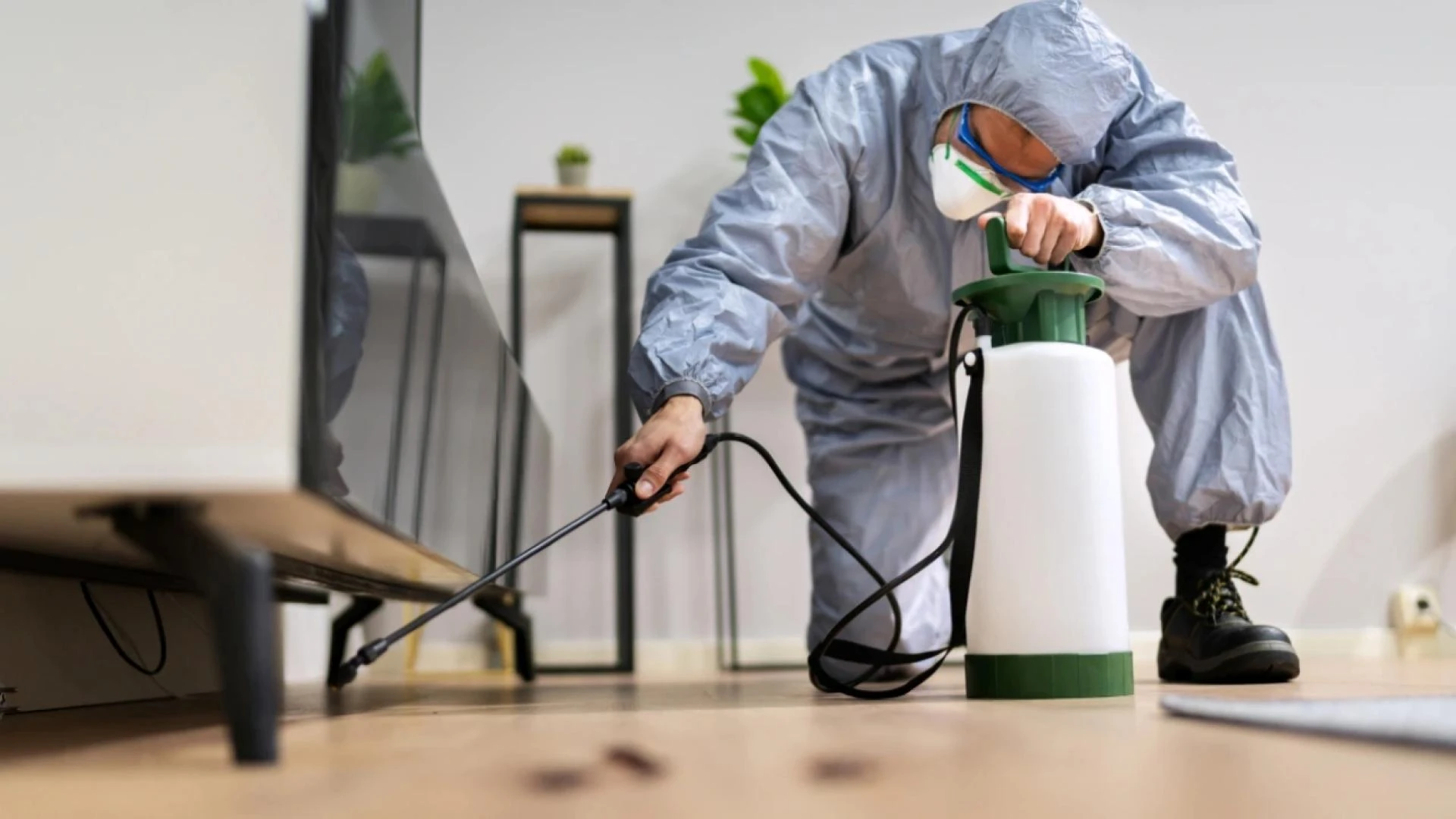
Professional services depend on focused techniques, meticulous examination, and long-term planning. Expert intervention guarantees treatments are accurate, safe, and long-lasting for homeowners looking for trustworthy pest control in Cleveland, Ohio.
Prevention Is Always More Cost Effective
Higher treatment expenses and potential structural issues result from waiting until bugs take control. Infestations are stopped before they spread, thanks to preventive pest control. Regular inspections identify early warning flags that most homeowners overlook.
Frequent control plans lower unforeseen costs and safeguards your investment. It has nothing to do with responding to crises. It is about staying away from them completely.
A Safe Home Is a Well-Maintained Home
A home free of pests is a sign of responsibility, cleanliness, and care. It preserves the value of the estate and encourages healthier living. Pest management is just as important as electrical or plumbing maintenance. It transforms into an imperceptible layer of defense that operates silently in the background when done correctly.
The Final Takeaway!
Selecting professional pest control is a sensible choice based on planning. It saves money, protects your family, and maintains your house in the long term. Prevention is the foundation of a secure home, not appearances.
Frequently Asked Questions
1) Why should pest control be done even if I see no pests?
Pests frequently remain undetectable until infestations worsen. Preventive pest management finds early warning signals, closes off entry points, and ends breeding cycles before obvious damage or health issues arise within the house.
2) How often should a home receive pest control services?
Quarterly treatments are beneficial for most houses. The size of the property, the surrounding environment, and prior insect activity all affect frequency. Frequent inspections assist in modifying schedules prior to issues becoming more serious.
3) Is professional pest control safe for families and pets?
Licensed professionals use regulated products and controlled application methods. Treatments focus on targeted areas, minimizing exposure while maintaining effectiveness for households with children and pets.
4) Can pests return after treatment?
Pests can return if precautions are not taken. Ongoing pest treatment gradually lowers the likelihood of reinfestation by addressing entry sites, environmental factors, and seasonal hazards.
5) What makes professional pest control more effective than DIY methods?
Experts identify nesting sites, access points, and pest behavior. Their method eliminates the root of the problem rather than just the obvious pests, resulting in more durable protection and fewer recurring problems.