Perth homeowners are increasingly rethinking the way homes respond to heat. With Western Australia experiencing longer and more intense summer conditions, discussions around residential comfort have shifted far beyond décor and appearance. Today, many housing decisions are being shaped by energy efficiency, passive cooling and the practical need to create comfortable indoor spaces during extended warm periods.
This change reflects a broader trend across Australia. Climate-responsive housing design is becoming more important as households seek ways to reduce heat build-up without relying entirely on mechanical cooling. Architects and sustainability researchers have repeatedly highlighted the importance of orientation, insulation, shading and ventilation in managing indoor temperatures. Yet one of the most influential design factors is often overlooked: the way windows and doors interact with airflow and sunlight.
The conversation around Perth windows and doors has therefore become increasingly tied to environmental performance rather than simple aesthetics. Large glazed openings can dramatically improve natural light, but if poorly positioned, they may also increase solar heat gain during the hottest parts of the day. Perth’s climate makes this balance particularly important because summer temperatures can remain high well into the evening.
Modern housing design is now placing stronger emphasis on passive cooling strategies. Cross-ventilation, thermal buffering and shaded outdoor areas are becoming common priorities in both new builds and renovations. Homes designed to encourage airflow naturally tend to remain more comfortable during periods of extreme heat, especially when evening breezes are able to move effectively through internal living areas.
Open-plan living has also changed the way households use space. Kitchens, dining rooms and outdoor entertaining areas are increasingly connected as part of a single social environment. This shift reflects lifestyle changes as much as architectural preference. Australians spend a significant amount of time outdoors, particularly in warmer regions such as Western Australia, and homeowners increasingly want living spaces that adapt easily between indoor and outdoor use.
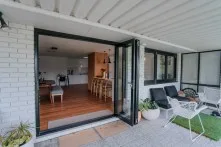
This helps explain the growing interest in bifold doors Perth within renovation and architectural discussions. Wider openings can improve the connection between internal rooms and alfresco areas while also encouraging airflow during cooler parts of the day. However, experts continue to stress that placement and orientation matter just as much as the opening itself. A poorly positioned opening may increase heat exposure rather than improve comfort.
Older homes across Perth face a different set of challenges. Many were built before energy efficiency standards became a major design priority. Original glazing, ageing frames and deteriorating seals can contribute to heat transfer and inconsistent internal temperatures. As energy awareness increases, more homeowners are assessing whether older fittings still meet the practical demands of contemporary living.
This has contributed to rising interest in window replacement Perth, particularly in established suburbs where renovation activity remains strong. Replacing ageing glazing can improve sealing, reduce unwanted heat entry and support better acoustic comfort in areas affected by traffic or urban density. While replacement alone does not solve every thermal issue, it can form part of a broader strategy aimed at improving overall building performance.
At the same time, flexibility has become a defining feature of modern Australian homes. Living spaces are expected to serve multiple purposes throughout the day, from remote work and family activities to social gatherings and quiet retreat areas. Openings that allow spaces to expand or close off easily are therefore attracting greater attention.
This is one reason folding doors Perth continue to appear in contemporary design conversations. Their appeal lies not only in appearance but in adaptability. In practical terms, they allow homeowners to alter the relationship between indoor and outdoor spaces depending on weather, privacy or household needs. As housing blocks become more compact in some urban areas, flexible design solutions are becoming increasingly valuable.
Another important trend shaping Perth homes is the growing focus on resilience. Homeowners are thinking more carefully about how properties will perform not only today but over the next decade. Rising energy costs, climate variability and changing household patterns are encouraging more long-term thinking around building materials and layout decisions.
Importantly, the current shift in housing design is not purely driven by trends. It reflects a deeper understanding of how environmental conditions affect everyday comfort and wellbeing. Better airflow, controlled sunlight and adaptable living spaces can influence sleep quality, energy consumption and even how frequently households rely on artificial cooling.
As Perth continues to experience warmer summers and evolving urban development, climate-responsive design is likely to become even more important. Windows and doors are increasingly recognised not simply as finishing details but as central elements that shape how a home feels, functions and performs throughout the year.
Author Bio:
This article was written by Sam, a researcher specialising in climate-responsive housing, with expertise in Perth windows and doors and sustainable residential design trends across Australia.